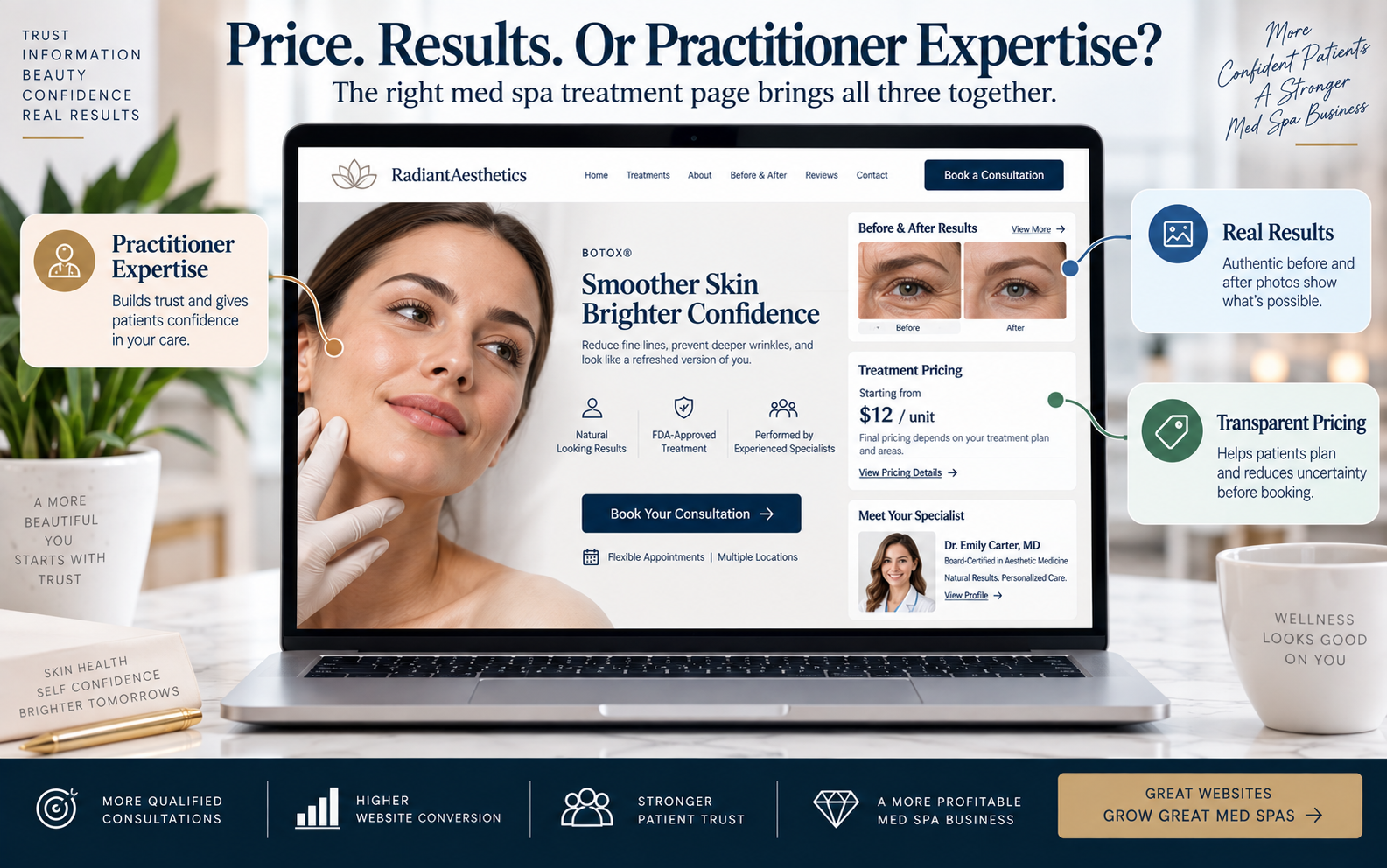
Quick Answer
A high-converting business website in 2026 does more than look professional. It combines clear messaging, fast performance, trust signals, AI-ready content, intuitive navigation, and conversion-focused design to turn visitors into qualified leads. Businesses that align their websites with buyer intent consistently generate more inquiries, stronger engagement, and higher long-term ROI.
TL;DR
- High-converting websites prioritize buyer intent over visual aesthetics alone.
- Clear messaging, trust signals, and intuitive navigation directly improve lead generation.
- AI-ready content and structured data increase visibility in Google AI Overviews and other AI search platforms.
- Fast-loading, mobile-friendly websites reduce abandonment and improve conversion rates.
- Every page should guide visitors toward a clear business objective, whether that’s scheduling a consultation or requesting a quote.
- Continuous optimization delivers better long-term results than one-time redesigns.
Lessons from Law Firms, Consultants & Corporate Brands
In 2026, a business website is no longer just an online presence it’s your primary sales, trust, and lead-generation tool. Whether you’re a consultant, law firm, accounting professional, or corporate brand, your website plays a direct role in how potential clients perceive your credibility and decide whether to contact you.
As a freelance web designer working with businesses across India and internationally, I’ve seen a clear shift in what makes websites convert and what causes them to fail.
This article breaks down what truly makes a business website high-converting in 2026, based on real patterns from corporate brands, consultants, and professional service firms.
Many businesses focus on redesigning their homepage while overlooking the factors that influence how global buyers evaluate credibility. If you’re targeting international clients, our guide on how global clients judge your business website across the US, UK, and Australia explains the trust signals and user experience patterns that consistently influence buying decisions before prospects ever contact your business.
Is Your Consulting Website Attracting the Wrong Leads?
If your website looks polished but still brings low-quality enquiries, the problem is usually structure, clarity, and trust. See how a conversion-focused consultant website design can help you filter better-fit clients before the first call.
Explore Consultant Website Design →Why Business Websites Fail to Convert (Even with Good Design)
Many business websites look visually appealing but still fail to generate enquiries. Common reasons include:
- The website focuses more on design than clarity
- Services are not explained clearly
- Trust elements are missing or weak
- Navigation is confusing
- The website doesn’t guide visitors toward action
In competitive industries like legal, consulting, and corporate services, visitors decide within seconds whether to stay or leave.
One of the biggest reasons corporate websites fail to generate qualified inquiries is weak messaging structure. Even visually polished websites struggle when the content sounds generic, overly broad, or disconnected from buyer psychology. We explored this in more depth in our guide on Website Content Strategy for Corporate Firms: What to Say to Attract High-Value Clients, including how strategic positioning, trust-focused messaging, and conversion psychology influence whether premium decision-makers choose to contact your business or continue searching.
1. Clear Positioning: Instantly Explain What You Do
High-converting business websites immediately answer three questions:
- What services do you offer?
- Who are these services for?
- Why should someone choose you?
Corporate brands, consultants, and law firms that convert well use clear, industry-specific messaging instead of vague claims.
A strong homepage headline and service structure reduce confusion and improve enquiry rates significantly.
2. Trust Signals Matter More Than Ever in 2026
For professional services, trust is the biggest conversion factor.
High-performing business websites consistently include:
- Clear company or professional profiles
- Experience, credentials, or certifications
- Client testimonials or reviews
- Case studies or project highlights
- Clear contact and location information
This is especially critical for law firm website design, consultant websites, and corporate service providers website, where decisions involve higher financial or legal stakes.
Expert Insight from Kanika Gupta
Kanika Gupta
Founder, KG Web Designer
“The highest-converting business websites don’t persuade visitors with flashy animations or trendy layouts. They remove uncertainty. Every page should answer the questions buyers naturally ask before contacting your business. When your website builds confidence first, conversions become a natural outcome rather than something you have to force.”
Conversion becomes much harder when visitors cannot verify the business behind the website. Before changing layouts or CTAs, use this small-business website trust checklist to review identity, proof, safety signals, reviews and the complete enquiry journey.
3. Industry-Specific Website Structure Wins
One major mistake businesses make is using generic website layouts.
High-converting websites are structured around industry-specific user intent.
For example:
- Law firm websites focus on practice areas and credibility
- Consultant websites highlight expertise and outcomes
- Corporate websites emphasize scale, reliability, and professionalism
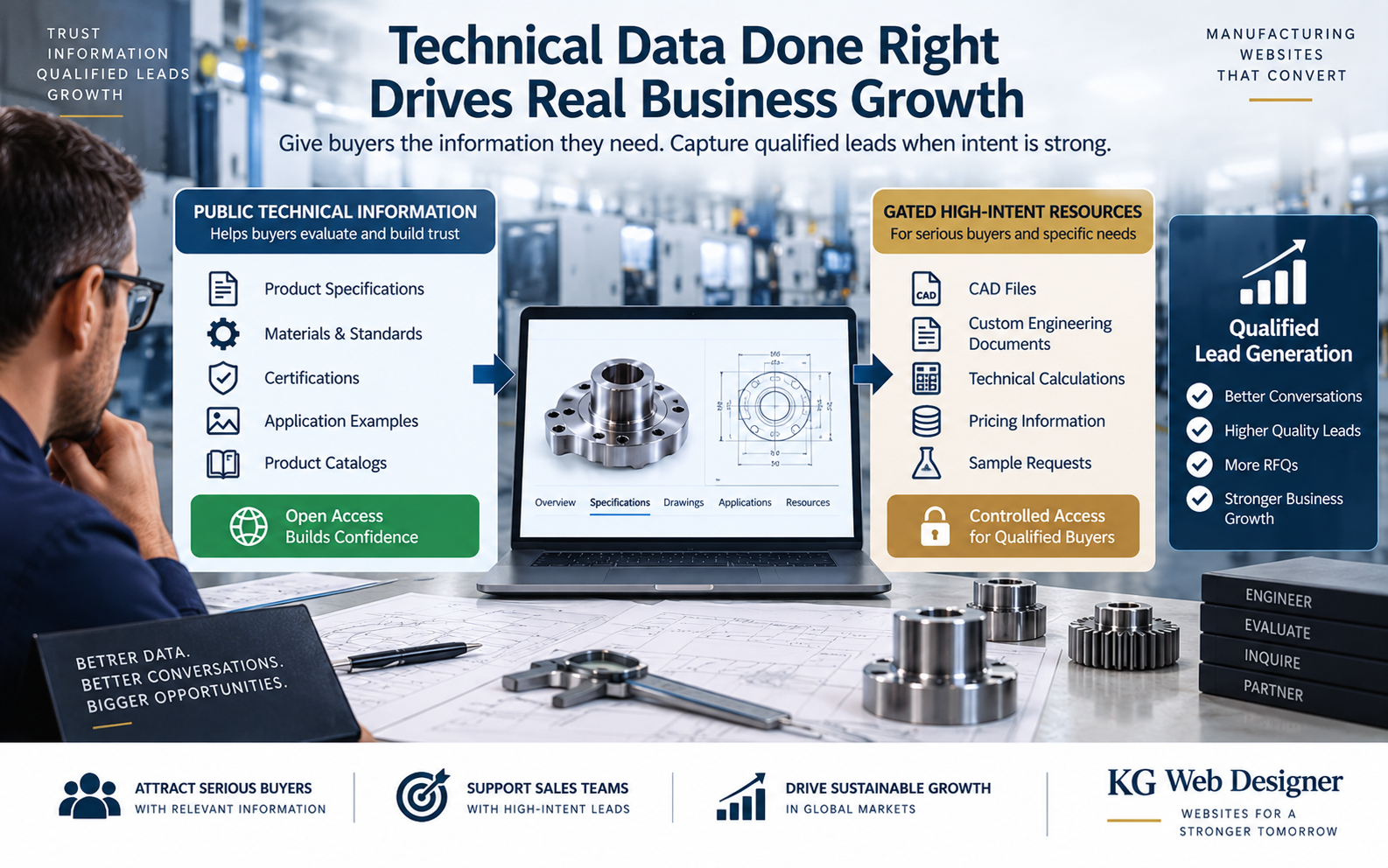
Similarly, B2B industrial firms require a different architecture focused on RFQs and technical specs -something I cover deeply in my manufacturing website services. This is why industry-specific website design performs better than one-size-fits-all templates.
4. Conversion-Focused Design (Not Just Pretty Layouts)
In 2026, conversion-focused design is about guiding users, not overwhelming them.
Effective business websites use:
- Strategic call-to-action placement
- Clean layouts with visual hierarchy
- Clear service navigation
- Enquiry forms placed at decision points
Corporate and consulting websites that convert well make it easy to take the next step without pushing visitors aggressively.
5. Mobile Experience Is No Longer Optional
Most business enquiries now come from mobile devices – even in B2B sectors.
A high-converting business website in 2026 must:
- Load fast on mobile
- Have readable text without zooming
- Use click-to-call and WhatsApp options
- Maintain professional design across all devices
Poor mobile experience directly impacts enquiry quality and volume.
6. SEO & AI Readiness Are Built into the Website
High-converting websites don’t rely only on paid ads.
They are designed to support:
- Search engine visibility
- AI-based search summaries
- Google AI Overviews
- ChatGPT / Gemini-style answers
This is achieved through:
- Clear content structure
- FAQ-based sections
- SEO-friendly URLs
- Proper internal linking
Business websites built this way gain long-term organic visibility, not just short-term traffic.
7. Professional Tone Over Salesy Language
One pattern I consistently see among top-performing business websites is clarity over hype.
Instead of exaggerated claims, they focus on:
- What they do
- Who they help
- How they work
- What results clients can expect
This approach works especially well for consultants, law firms, CA firms, and corporate service providers.
Need a Website That Builds Trust Before the Sales Call?
Decision-makers scan for relevance, proof, and clarity in seconds. If your current website hides results or uses vague messaging, you are likely losing shortlist opportunities. See how professional services website design helps consultants turn authority into qualified enquiries.
See Professional Services Website Design →8. Remote-Ready Websites for Global Clients
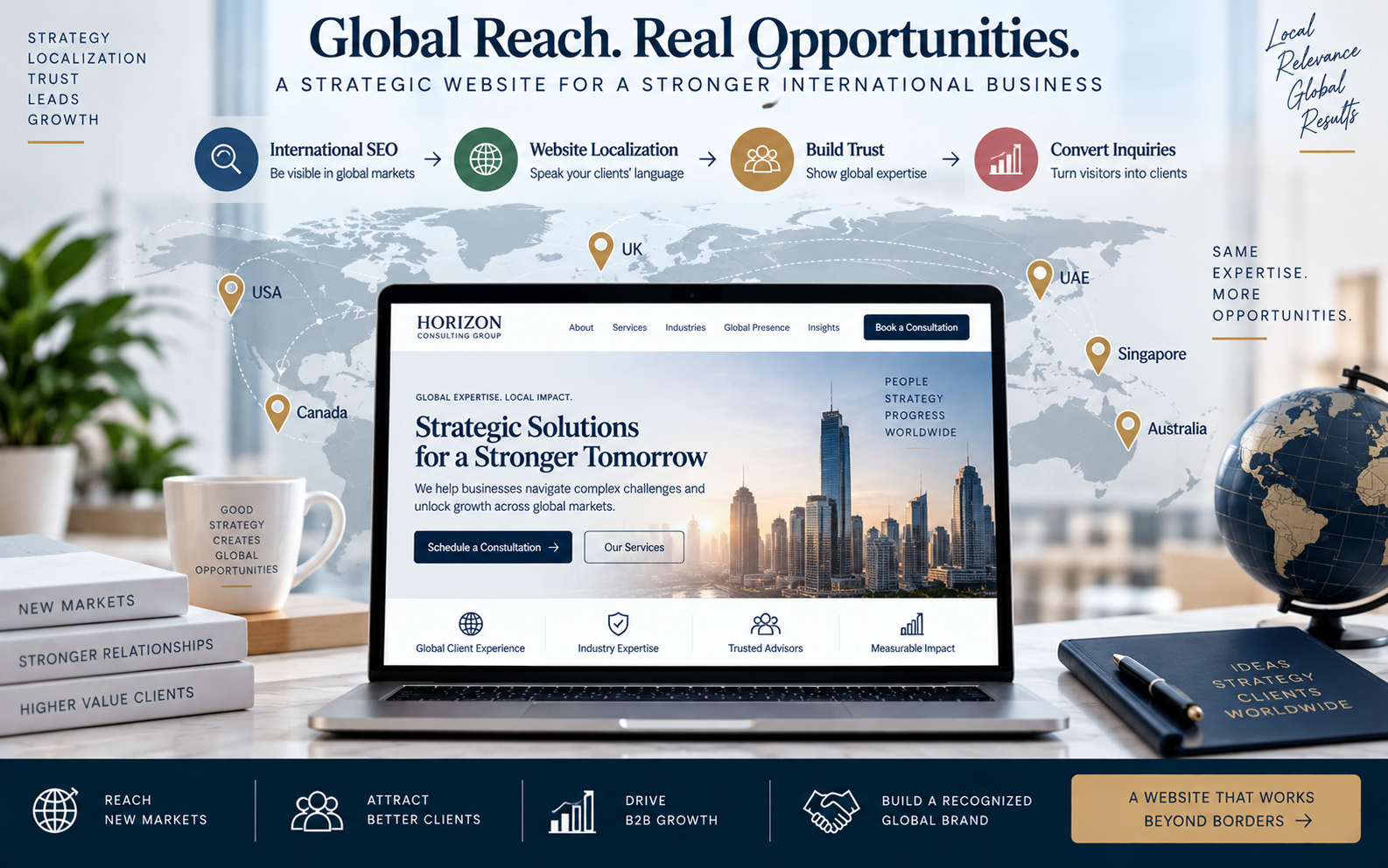
In 2026, many businesses serve clients beyond their local city.
High-converting websites clearly communicate:
- Remote working capability
- Professional processes
- Clear communication methods
- Structured timelines
This builds confidence for international and out-of-city clients, even before the first conversation.
A high-converting website isn’t simply about attracting visitors—it’s about guiding them toward meaningful action. If you’d like a deeper look at the strategies that consistently generate qualified inquiries, our guide on corporate website lead generation strategies for 2026 explains the messaging, UX, and conversion techniques used by high-performing B2B websites.
Final Thoughts: Conversion Comes from Clarity & Trust
A high-converting business website in 2026 is not about trends – it’s about clarity, trust, and usability.
Businesses that invest in:
- Industry-specific structure
- Conversion-focused design
- SEO and AI readiness
- Professional messaging
consistently outperform competitors with generic or outdated websites.
Many growing companies prefer working with a corporate website design expert who understands how to structure websites for trust, lead generation, and long-term scalability. If you’re planning to redesign or build a new business website, focusing on these elements can make a measurable difference in enquiries and growth.
Our E-Commerce Website Design Services
FAQs – Business Website Design
What is a high-converting business website?
A high-converting website guides visitors clearly toward enquiries while building trust and credibility.
Do business websites need industry-specific design?
Yes. Industry-specific design improves clarity, relevance, and conversion rates.
Is SEO important for business websites in 2026?
Yes. SEO and AI visibility are essential for long-term organic growth.
Can a business website attract international clients?
Yes. With the right structure and messaging, websites can convert global visitors effectively.
Ready to Turn Your Consulting Website Into a Client-Filtering System?
If your website is attracting traffic but not the right enquiries, it is time to improve the messaging, trust signals, and conversion flow. I help consultants build websites that support premium positioning and better-fit leads.