
Quick Answer
The right corporate website designer for a consulting firm should understand more than visual design. They should be able to translate your consulting expertise into clear positioning, outcome-driven messaging, trust architecture, decision-maker-focused UX, and measurable conversion paths. Before hiring, evaluate their experience with B2B consulting businesses, strategic approach, portfolio quality, communication process, technical capabilities, pricing, and ability to design for international buyers. The goal is not simply to launch a professional-looking website—it is to build a digital sales asset that helps qualified prospects understand your expertise, trust your firm, and take the next step.
Key Takeaways (Quick Wins)
- Most consulting websites fail because they focus on design—not client acquisition
- A high-performing site must combine authority, trust, and conversion strategy
- Specialist designers outperform generalists in lead quality and ROI
- A structured framework is essential for consistent client acquisition
- Overseas clients should prioritize process, communication, and expertise—not price
Why Most Consulting Firm Websites Fail to Generate High-Value Leads
Most consulting firm websites look credible but fail to generate consistent, high-quality enquiries.
They showcase services, team profiles, and polished branding. Yet, they don’t convert decision-makers into clients.
The reason is simple:
They are designed to look professional, not to drive client acquisition.
If you’re targeting corporate clients in the US, UK, or Australia, your website must do more than inform, it must position your firm as the obvious choice.
That’s where hiring the right corporate website designer for consulting firms becomes critical.
Selecting the right website designer now involves more than evaluating design portfolios. Consultants should also understand whether an agency can build websites optimized for AI-powered search and evolving buyer behavior. Before reviewing hiring criteria, read How Clients Find Consultants Through ChatGPT & AI Search to understand the technical and strategic capabilities modern consultant websites require.
xpert Advice: Don’t Hire a Designer Until They Can Explain the Buying Journey
Kanika Gupta, Web Designer & Consultant
“For a consulting firm, I would never evaluate a website designer only by asking whether their portfolio looks impressive. The more important question is whether they understand how a prospective client moves from uncertainty to trust and finally to a conversation.”
A consulting website has to support a much longer decision process than a typical transactional website.
A prospective client may first discover the firm through Google, LinkedIn, an AI search result, a referral, or a thought-leadership article. They may then compare several firms, review the team’s expertise, look for evidence of previous work, assess the firm’s specialization, and only later decide whether to schedule a conversation.
That means the designer should be able to explain:
- How the homepage establishes positioning
- How service pages address specific client problems
- Where proof and case studies appear
- How the website handles different buyer-intent stages
- Why specific CTAs appear at different points
- How the website supports international prospects
- How performance and SEO affect discovery
- How conversion data will be measured after launch
If a designer can only talk about colours, animations, WordPress themes, page counts and visual trends, you are evaluating a production resource—not necessarily a strategic website partner.
For consulting firms selling expertise, the designer should be able to demonstrate an understanding of the business model before discussing the visual style.
What High-Converting Consulting Websites Do Differently
Most consulting websites fail not because of poor design but because they are built without a clear conversion strategy.
They look professional, but they don’t answer the only question that matters:
“Why should I trust you over every other consulting firm?”
In my experience designing websites for professional service firms, the difference between average and high-performing consulting websites comes down to one thing:
They are built for decision-making, not browsing.
High-converting consulting websites are structured around how corporate buyers actually think and evaluate.
1. They Lead with Clear, Outcome-Driven Messaging
The first 5–7 seconds determine whether a visitor stays or leaves.
Top-performing websites immediately communicate:
- Who they help
- What problem they solve
- What results they deliver
For example:
❌ “We provide business consulting services”
✅ “We help B2B companies reduce operational costs by 25% within 90 days”
This level of clarity eliminates confusion and builds instant relevance.
2. They Prioritize Trust Before Design
Design attracts attention but trust drives action.
High-converting consulting websites place trust signals strategically:
- Client logos above the fold
- Testimonials tied to measurable results
- Case studies linked directly from key sections
Instead of hiding proof on a separate page, they integrate it throughout the user journey.
3. They Structure Content for Scanning (Not Reading)
Corporate decision-makers don’t read every word.
They scan.
That’s why effective websites use:
- Strong, benefit-driven headings
- Short, structured paragraphs
- Logical content hierarchy
This aligns with real user behavior and increases engagement.
4. They Guide the User Journey Intentionally
Most websites leave users to figure things out.
High-performing consulting websites guide them step-by-step:
- Understand the problem
- See proof of expertise
- Explore the solution
- Take action
Every section exists to move the user closer to a decision.
5. They Use Multiple Conversion Paths (Not Just One CTA)
Relying on a single “Contact Us” button limits conversions.
High-converting sites include:
- Early-stage CTAs (learn more, insights)
- Mid-stage CTAs (case studies, results)
- High-intent CTAs (book a strategy call)
This captures leads at different stages of readiness.
6. They Remove Friction at Every Step
Even small barriers reduce conversions.
Top consulting websites eliminate friction by:
- Simplifying navigation
- Reducing unnecessary content
- Making next steps obvious
The easier it is to act, the more likely users will convert.
7. They Are Built as Sales Systems-Not Digital Brochures
This is the biggest difference.
Most consulting websites are:
Informational
High-performing ones are:
Strategic sales systems
They:
- Qualify leads
- Build trust
- Drive action
All without requiring manual intervention.
Many firms believe generating more leads requires additional advertising, when the real challenge is earning trust quickly enough for visitors to take action. Our guide What CA Firms Must Include on Their Website to Win Trust in 2026 explains the website elements that reduce uncertainty, answer common buyer questions, and increase confidence before prospects submit an inquiry.
The Bottom Line
A high-converting consulting website isn’t about design trends or aesthetics.
It’s about clarity, trust, and strategic structure.
And this is exactly why hiring a corporate website designer for consulting firms not a generalist makes all the difference.
What to Look for When You Hire a Corporate Website Designer for Consulting Firms
Not every designer understands how consulting businesses grow.
Here’s what actually matters.
1. Experience with B2B Consulting Models
Consulting is fundamentally different from ecommerce.
A B2B consulting website designer must understand:
- Long decision cycles
- Multiple stakeholders
- High-ticket services ($5K–$50K+)
Your website must answer:
- Can I trust this firm?
- Do they understand my industry?
- Are they worth the investment?
2. Conversion-Focused UX (The “How,” Not Just the “What”)
Most designers focus on visuals.
But high-performing consulting websites are built using proven UX principles:
- F-pattern reading behavior
- Above-the-fold trust signals
- Strategic CTA placement
A US-based consulting firm I worked with increased qualified leads by 42% in 60 days by restructuring messaging and adding proof-driven sections.
3. Messaging & Positioning (Your Biggest Conversion Lever)
Design without positioning is decoration.
A strong consulting website design agency will help you:
- Define your niche clearly
- Communicate outcomes, not services
- Differentiate from competitors
4. Trust Architecture (Not Just Testimonials)
Consulting is a high-trust sale.
Your website must include:
- Case studies
- Testimonials
- Client logos
- Clear outcomes
Building trust on a consulting website goes beyond placing a few testimonials on a page. High-performing firms treat every element-case study placement, logo sequencing, outcome framing-as part of a deliberate credibility system. The way trust signals are structured determines whether a decision-maker reads on or bounces. For a deeper look at what separates high-trust consulting brands from average ones, and the specific design choices that turn visitors into clients: Corporate Website Design for Consulting Firms: What High-Trust Brands Do Differently.
5. Structured User Journey for Decision-Makers
Consulting buyers don’t browse they evaluate.
A skilled web designer for consulting business partner will:
- Structure content logically
- Guide users toward action
- Reduce friction
The 5-Step Consulting Website Conversion Framework (Deep Dive)
To avoid generic design, here’s the exact framework used to turn consulting websites into client acquisition systems.
Step 1: Authority Positioning
Your website must immediately answer:
- Who you help
- What problem you solve
- What results you deliver
This is achieved through:
- Clear headline messaging
- Niche positioning
- Outcome-focused language
Without authority, visitors leave within seconds.
Authority positioning only works when your site structure supports it. A strong headline means nothing if the page layout buries it, loads slowly, or sends visitors down a confusing path. Poor structure is one of the leading reasons consulting websites fail to convert – even when the messaging is right. See the full breakdown of why consulting firms lose leads due to poor website structure →
Step 2: Trust Layer
Once attention is captured, trust must be built quickly.
This includes:
- Case studies with measurable outcomes
- Testimonials linked to real results
- Client logos for credibility
Trust signals must appear early and consistently across the site.
Step 3: Problem-Solution Mapping
Most consulting websites fail here.
Instead of listing services, your site must show:
- You understand the client’s pain
- You have a proven solution
Structure:
- Problem → Impact → Solution → Result
This builds emotional alignment and confidence.
Step 4: Strategic CTA Flow
Relying on a single “Contact Us” button is ineffective.
A strong website uses multiple CTAs:
- Early-stage: “Learn more”
- Mid-stage: “View case studies”
- Decision stage: “Book a call”
This captures leads at different stages of readiness.
Step 5: Conversion Optimization
A website is never finished.
High-performing consulting websites improve through:
- User behavior analysis
- Heatmaps
- A/B testing
Small changes can significantly increase conversions.
The Real Cost of Hiring the Wrong Designer
Hiring based on price often leads to:
- Poor lead quality
- Weak positioning
- Missed revenue opportunities
The real cost isn’t the website it’s lost clients.
How Much Does It Cost to Hire a Corporate Website Designer?
For consulting firms targeting international markets:
- Entry-level freelancers: $2,000 – $4,000
- Conversion-focused specialists: $5,000 – $15,000+
Expert Insight: Compare the Cost of the Website With the Cost of the Opportunity
A consulting firm’s website should not be evaluated only by its development cost.
A $3,000 website and a $12,000 website may look similar at first glance, but the underlying strategy can be very different. The more useful comparison is what each option includes:
Strategy → Positioning → UX → Proof → Conversion → Measurement → Ongoing Optimization
Before choosing the lower quote, ask:
What happens if the cheaper website attracts the wrong prospects, fails to communicate our expertise, or gives decision-makers no compelling reason to contact us?
The real cost of a website is not simply what you pay the designer. It is also the opportunity cost of having a digital presence that fails to support the sales process.
This connects naturally with your existing section, which already argues that the bigger cost of hiring the wrong designer is potentially lost clients rather than the website fee itself.
Generalist Designer vs. Specialist Consulting Website Designer (What You’re Really Paying For)
When hiring a designer, most consulting firms compare prices but not outcomes.
A lower-cost designer may seem attractive upfront, but the difference in results is significant.
| Factor | Generalist Web Designer | Specialist Consulting Website Designer |
|---|---|---|
| Industry Understanding | Generic | Deep consulting expertise |
| Strategy | Visual-focused | Conversion-focused |
| Messaging | Generic | Outcome-driven |
| User Journey | Basic | Structured for decision-makers |
| Trust Signals | Minimal | Strategic placement |
| Lead Quality | Low | High-value |
| ROI | Unclear | Measurable |
| Investment | $2K–$4K | $5K–$15K+ |
What This Means for Your Business
- A generalist helps you launch
- A specialist helps you grow
For consulting firms, this difference directly impacts revenue.
Still Deciding Between Cost and Results?
Most consulting firms don’t lose money on design — they lose it on poor positioning, weak messaging, and low-quality leads. If you’re investing in your website, it should bring measurable business growth — not just a better-looking homepage.
Why Strategy Matters More Than Design
Design attracts attention. Strategy converts.
A strong corporate website designer for consultants focuses on:
- Messaging clarity
- User journey
- Conversion flow
What Most Consulting Firms Get Wrong
- Hiring generalists
- Prioritizing visuals over strategy
- Ignoring user behavior
What It’s Like Working with an Overseas Designer (Full Transparency)
Hiring remotely comes with valid concerns.
Here’s how it works:
Communication
- Slack, Zoom, Loom
Payments
- Stripe or bank transfer
- Milestone-based billing
Contracts
- Clear scope and timelines
- NDA available
Revisions
- Structured feedback process
Response Time
- 12–24 hours
You always have clarity and control.
Why Overseas Consulting Firms Choose Us
When you’re hiring a website designer from another country, the biggest concern isn’t design it’s trust.
Will they understand your market?
Will communication be smooth?
Will the final result actually bring in clients?
These are valid questions and exactly what we’ve built our process around.
We Understand B2B Consulting Markets (Not Just Design)
We don’t approach consulting websites like generic service sites.
We understand:
- Long sales cycles
- High-value client acquisition
- Decision-maker psychology in US, UK, and AU markets
Your website is designed to win trust not just look professional.
We Focus on Results, Not Just Deliverables
Most designers deliver pages.
We build:
Client acquisition systems
That means:
- Clear positioning
- Conversion-focused UX
- Strategic messaging
Clients we’ve worked with have seen measurable improvements in:
- Lead quality
- Conversion rates
- Enquiry consistency
Transparent Process (No Guesswork)
Overseas clients choose us because everything is structured and predictable.
- Clear timelines and milestones
- Weekly progress updates
- Defined revision process
- No hidden scope changes
You always know what’s happening and what comes next.
Seamless Communication Across Time Zones
We’ve designed our workflow specifically for international clients.
- Slack for daily communication
- Loom for walkthroughs and feedback
- Zoom calls scheduled for overlap hours
You don’t experience delays or confusion just smooth collaboration.
Secure Payments & Clear Contracts
Working internationally should feel safe.
- Payments via Stripe or bank transfer
- Milestone-based billing (reduced risk)
- Clear contracts with defined deliverables
- NDA available if required
Everything is transparent and professional.
Built for Long-Term Growth (Not Just Launch)
We don’t just build websites we build scalable systems.
- Designed to support future growth
- Optimized for conversion and performance
- Easy to update and expand
Your website continues to work as your business grows.
GLOBAL REACH · REMOTE-FIRST · HIGH-VALUE RESULTS
From London boardrooms to Dubai towers to Manhattan strategy firms — we help consultants worldwide build websites that command premium fees and attract the right clients.
Clients in: 🇺🇸 🇬🇧 🇦🇪 🇨🇦 🇦🇺 🇸🇬 🇩🇪 🇳🇱
The Bottom Line
Overseas consulting firms don’t choose us because we’re “available.”
They choose us because we understand:
How to position, design, and optimize websites that attract high-value clients globally.
FAQ- Hiring a Corporate Website Designer for Consulting Firms
How do I know if a designer understands consulting businesses?
Look for B2B experience and conversion-focused strategy.
How long does it take?
Typically 4–8 weeks depending on scope.
What platform is best?
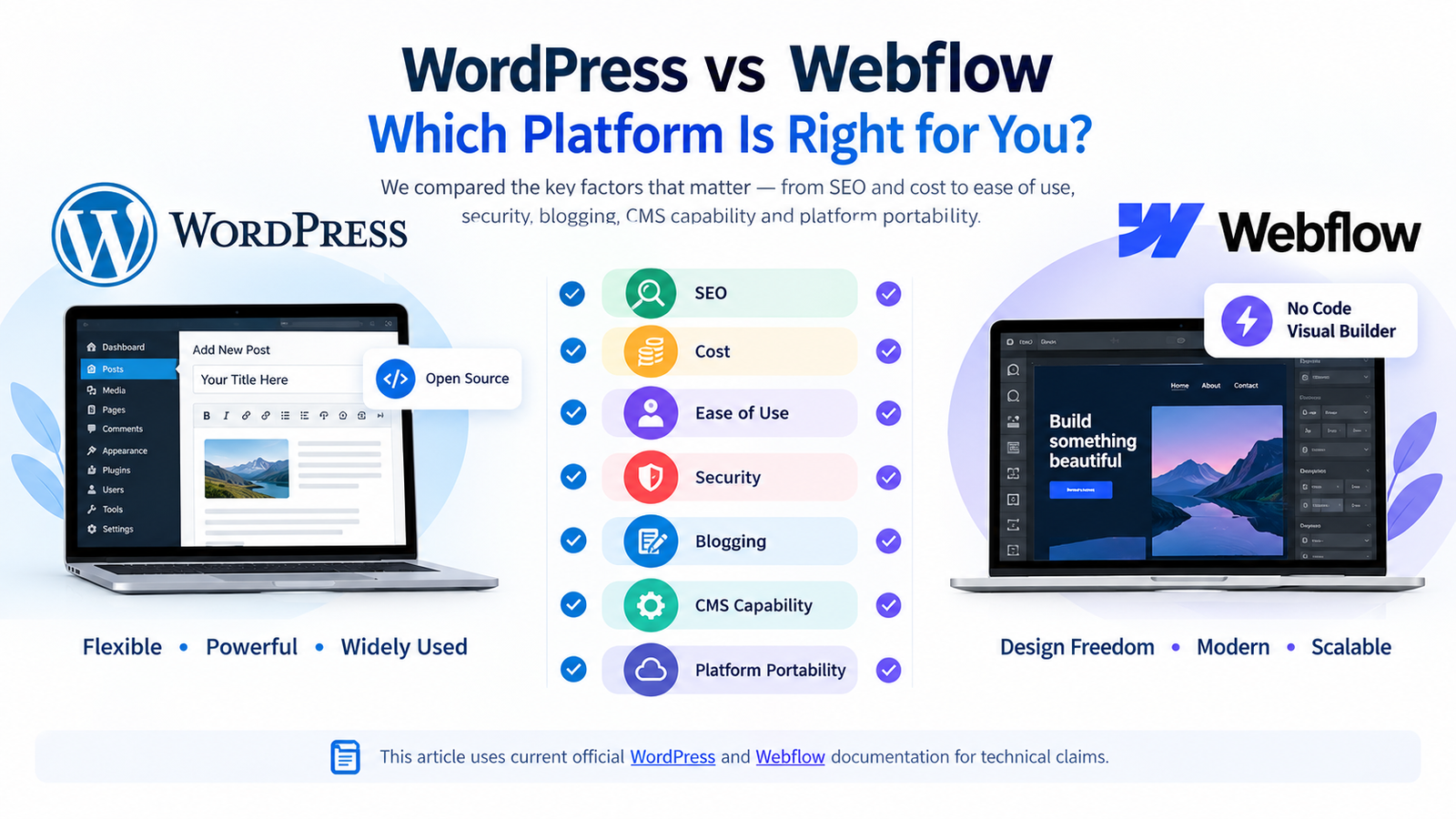
WordPress and Webflow are commonly used.
Will my website generate leads?
Yes, when built with strategy and UX.
What’s the biggest mistake firms make?
Choosing based on price instead of expertise.
Do I need ongoing support?
Yes, optimization improves performance.
How involved will I be?
You guide strategy; execution is handled by the designer.
Glossary
Conversion Rate Optimization (CRO): Improving website performance to increase enquiries
Client Acquisition Cost (CAC): Cost of acquiring a new client
User Experience (UX): How users interact with your website

Final Thoughts: Your Website Should Generate Clients-Not Just Exist
Your website is your most powerful sales asset.
- A poorly structured site loses high-value clients
- A strategic one attracts them consistently
Ready to Hire a Corporate Website Designer for Your Consulting Firm?
If you’re looking to hire a designer who understands strategy, UX, and B2B growth, you’re in the right place. Let’s build a website that attracts the right clients and supports your business goals.
Book a Free Strategy Call →