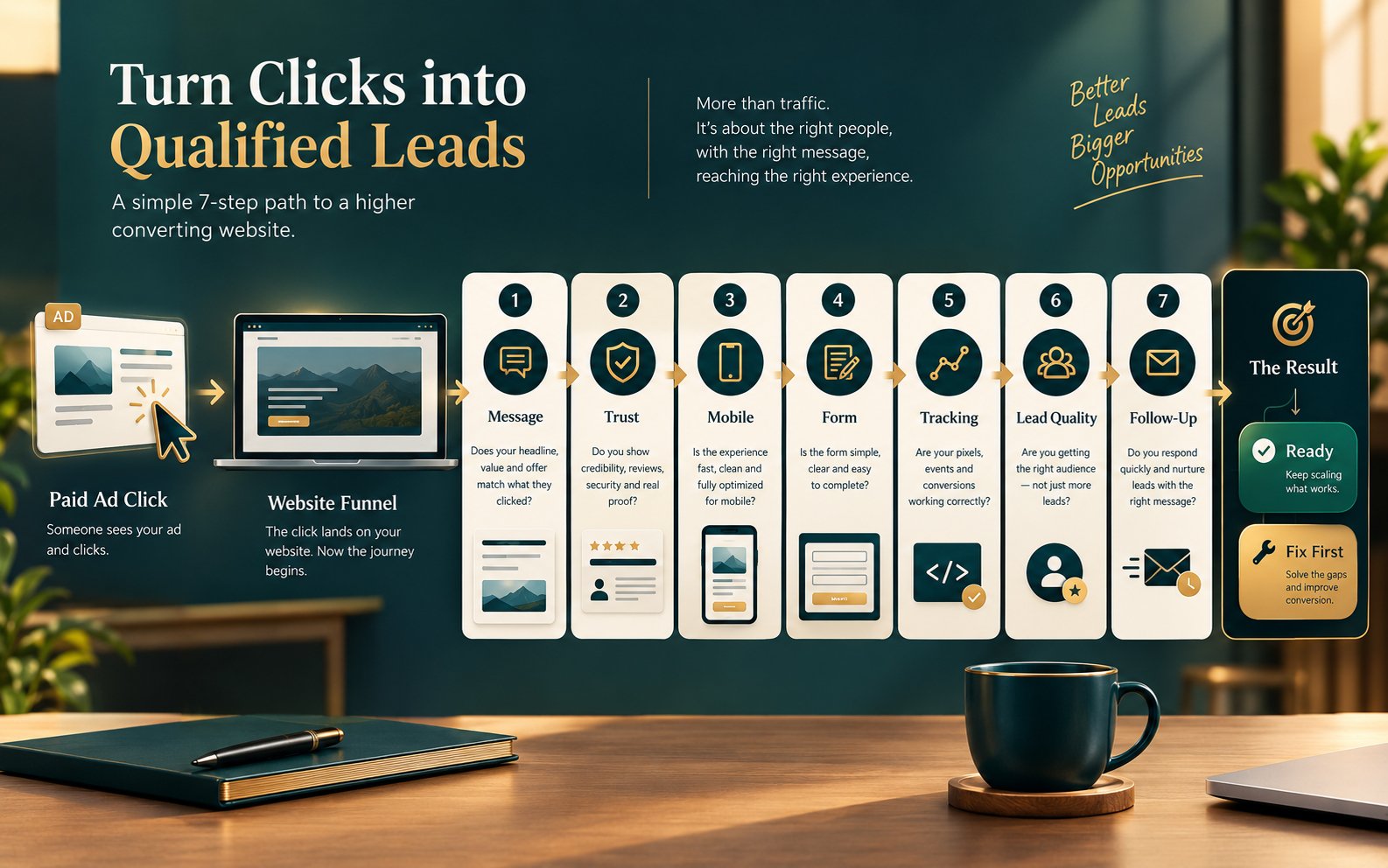
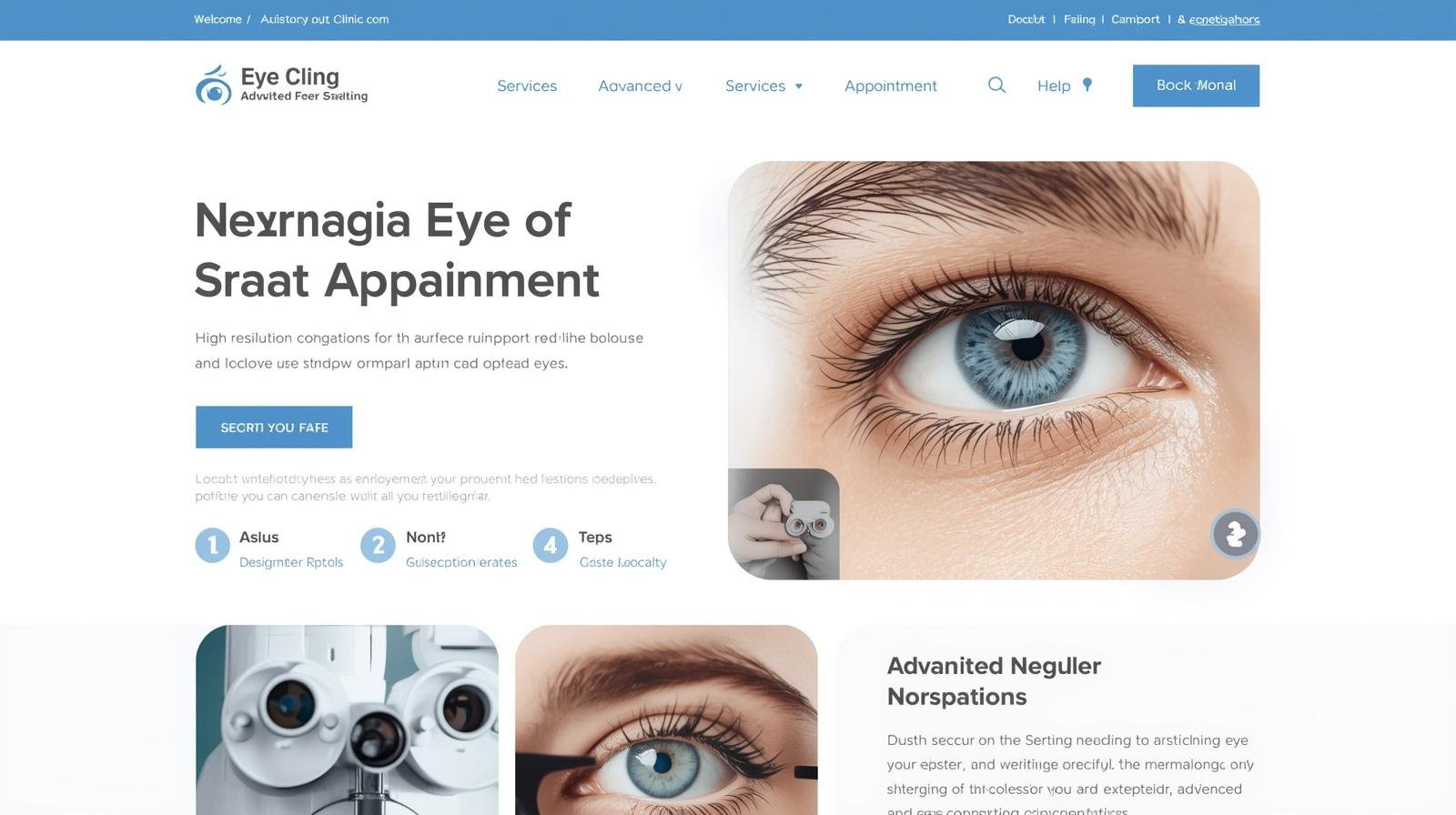
Quick Answer
Patients decide whether they trust an eye clinic in under three seconds. The strongest trust signals include real clinic imagery, verified patient reviews, ADA-compliant accessibility, fast mobile experience, HIPAA-conscious booking systems, and visible doctor expertise. These elements directly influence appointment bookings and patient confidence.
TL;DR
Patients judge your clinic before they ever call.
A modern eye clinic website should:
- Build trust instantly
- Make online booking effortless
- Show real doctors and real clinic environments
- Reinforce professionalism at every step
- Work flawlessly on mobile devices
- Support accessibility and healthcare compliance standards
If your website feels outdated, confusing, or generic, patients often leave before scheduling an appointment.
Key Takeaways
- Trust is the biggest conversion driver for eye clinic websites
- Real photography consistently outperforms stock imagery
- Mobile usability directly impacts appointment bookings
- HIPAA, GDPR, and AHPRA awareness strengthen credibility
- Accessibility improves both UX and patient trust
- Fast-loading websites convert significantly better
- Patients evaluate confidence before evaluating treatments
Patients Decide Whether to Trust Your Clinic Before They Call
A patient in New York researching dry eye treatment, a parent in London comparing myopia management clinics, or a professional in Sydney looking for a comprehensive eye exam all make the same judgment first:
Can I trust this clinic?
That decision happens before they ever pick up the phone.
This is why optometrist website design directly influences appointment bookings, patient retention, and clinic growth. Your website is not just a marketing tool. It is your digital waiting room, your first consultation, and your first trust-building interaction.
Patients visiting healthcare websites are not casually browsing.
They are evaluating risk.
If your website feels outdated, difficult to navigate, or emotionally disconnected, hesitation increases immediately.
And hesitation reduces conversions.
Why Trust Is the Real Conversion Driver for Eye Clinics
Many clinics assume poor performance comes from weak SEO or ineffective advertising.
Often, the deeper issue is trust friction.
Patients want reassurance before booking an eye appointment. They are subconsciously evaluating:
- Professionalism
- Clarity
- Safety
- Convenience
- Credibility
This is where trust-building elements for healthcare websites become essential.
The strongest eye clinic websites reduce uncertainty at every stage of the patient journey.
In strategy calls with clinic owners, I often hear the same frustration:
“We’re getting traffic, but not enough bookings.”
Usually, the issue is not visibility.
It is perception.
Patients may not consciously explain why a website feels untrustworthy, but they feel it instantly through poor visuals, slow speed, weak mobile UX, or generic messaging.

Are Patients Leaving Your Eye Clinic Website Without Booking?
If your website isn’t converting visitors into appointments, the problem is usually trust, clarity, and booking flow. Discover how a conversion-focused optometrist website can increase patient enquiries.
Optometrist website design: Building Trust Through Structure and Experience
A high-performing optometry website design is built around emotional reassurance and user clarity.
The structure should guide patients through four psychological stages:
- Immediate confidence
- Service understanding
- Credibility validation
- Frictionless booking
When these stages are missing, users leave even if the clinic itself is excellent.
The strongest websites prioritize:
- Clear messaging
- Real doctor visibility
- Fast navigation
- Simple booking pathways
- Mobile-first usability
Patients should never wonder:
- Where to click
- Who the doctors are
- Whether insurance is accepted
- How to schedule an appointment
Every unanswered question creates friction.
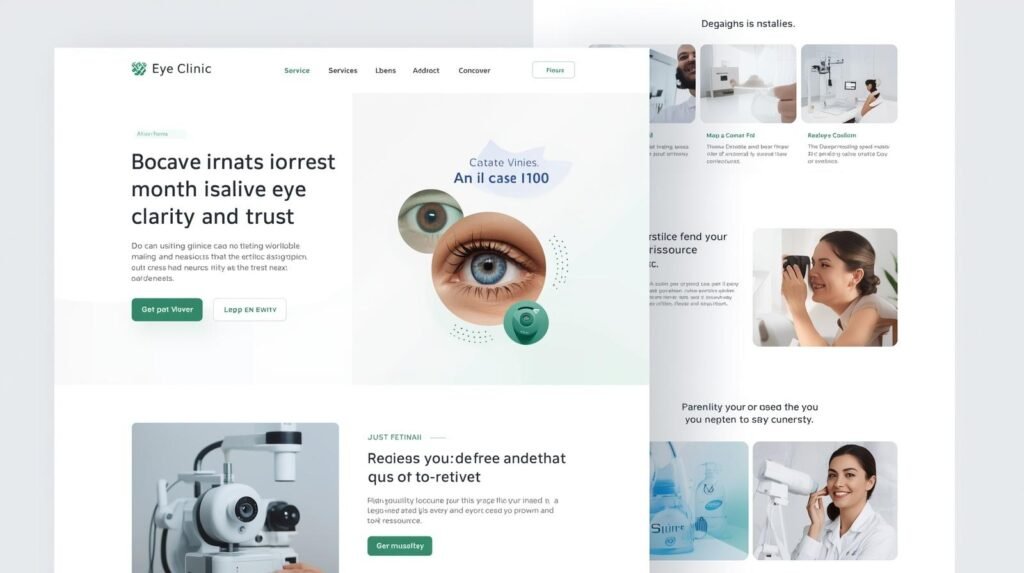
The 7 Most Important Trust Signals for Eye Clinic Websites
1. Real Clinic Photography
Real imagery creates emotional reassurance immediately.
Stock photography damages trust faster than most clinics realize.
Patients want to see:
- The actual clinic
- The real doctors
- The exam environment
- Staff interactions
A photo of an optometrist using a slit lamp while interacting with a real patient is dramatically more effective than a generic stock image of an eye chart.
This is one of the strongest eye clinic website credibility factors influencing conversion behavior.
2. Visible Doctor Credentials and Expertise
Patients want expertise to feel obvious and accessible.
Your website should clearly communicate:
- Certifications
- Clinical experience
- Areas of specialization
- Advanced treatments offered
This becomes especially important for services like:
- Myopia management
- Dry eye therapy
- Specialty contact lenses
- Pediatric eye care
Expertise should feel reassuring, not intimidating.
Real Client Result: Trust Before Traffic
A family-focused eye clinic in London approached us because their website traffic was steady, but appointment inquiries remained inconsistent.
The problem was not visibility.
It was trust perception.
We replaced generic stock photography with real staff and clinic imagery, simplified the mobile booking experience, and improved the homepage structure.
Within 60 days:
- Dry eye consultation inquiries increased by 40%
- Mobile engagement improved significantly
- Bounce rates dropped across service pages
The services did not change.
The patient confidence level did.
3. Testimonials Integrated Throughout the Website
Patients trust other patients.
But placement matters.
Instead of hiding reviews on a separate page, integrate them naturally throughout the website:
- Beside treatment sections
- Near booking buttons
- Within homepage trust areas
This strengthens patient trust through website design because reassurance appears exactly where hesitation happens.
Specific testimonials consistently outperform generic praise.
4. Frictionless Appointment Booking
Patients expect convenience.
Complicated forms reduce conversions quickly.
The best-performing clinics simplify scheduling through:
- Real-time booking integrations
- Mobile-friendly forms
- Minimal required fields
- Clear appointment pathways
This is critical for eye care website conversion optimization.
Patients should be able to book an appointment in under a minute.
5. Mobile-First User Experience
Most patients now discover eye clinics through mobile devices.
A frustrating mobile experience instantly damages confidence.
Strong mobile UX includes:
- Large tap areas
- Clear typography
- Fast-loading pages
- Thumb-friendly navigation
Patients researching urgent eye care will not tolerate friction.
Secure online booking is one of the strongest trust signals for modern eye clinic websites, especially for practices serving patients in the United States. Patients want reassurance that their personal and medical information is handled responsibly before they schedule an appointment. Beyond displaying secure forms, clinics should communicate how patient data is protected throughout the booking process. If you’re building or upgrading your scheduling system, read our guide on HIPAA-Compliant Patient Booking: A Strategic Guide for US Optometrists in 2026 to learn how compliance, patient trust, and user experience work together to improve appointment conversions.
6. Accessibility and ADA Compliance
Accessibility is essential for healthcare businesses, especially eye clinics.
A visually impaired patient struggling to use an eye clinic website creates an immediate contradiction in trust.
Modern websites should support:
- WCAG accessibility standards
- High-contrast readability
- Screen-reader compatibility
- Keyboard navigation
- Scalable text sizes
This also strengthens compliance expectations in different regions:
- HIPAA-conscious forms in the US
- GDPR awareness in the UK and EU
- AHPRA-aligned healthcare professionalism in Australia
These details strengthen E-E-A-T signals significantly.
7. Fast Technical Performance
Patients expect websites to load instantly.
Slow performance damages credibility immediately.
The strongest clinics prioritize:
| Technical Metric | Recommended Standard |
|---|---|
| Largest Contentful Paint (LCP) | Under 2.5 seconds |
| Mobile Speed Score | 90+ |
| HTTPS Security | Enabled |
| Booking Form Load Time | Under 1 second |
AI-driven search engines increasingly evaluate these technical trust indicators when ranking healthcare websites.
Ready to Get More Patient Bookings From Your Website?
If your current website is not converting visitors into appointments, it’s time to fix the experience. I help optometrists and eye clinics build websites that drive real patient enquiries.
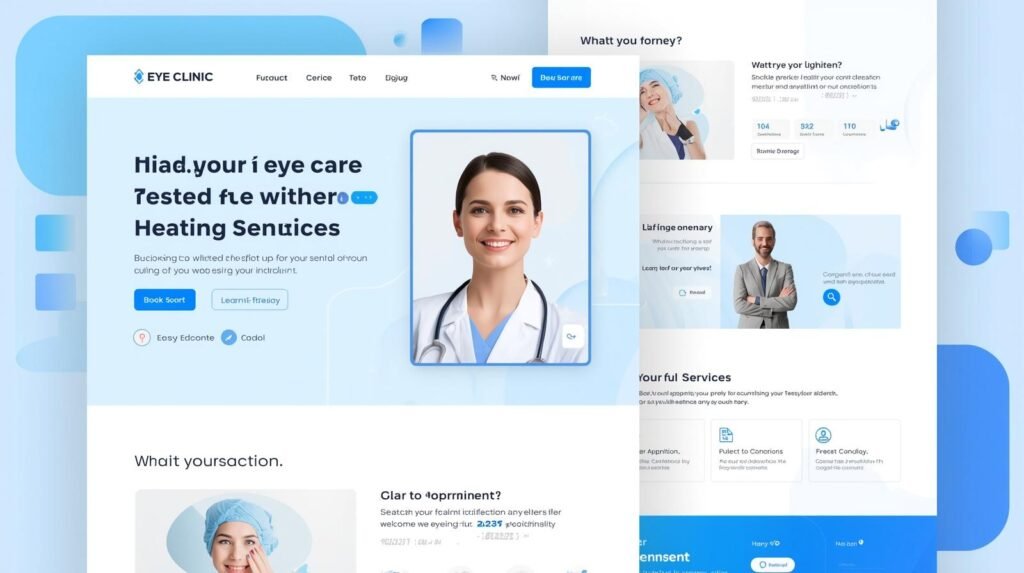
What Patients Actually Look for Before Booking Online
Patients are not simply comparing services.
They are evaluating emotional comfort and professionalism.
Before scheduling an appointment, visitors usually look for:
- Signs of expertise
- Easy booking pathways
- Real reviews
- Doctor visibility
- Clear treatment explanations
We explored this in more detail in our guide on what patients look for before booking an eye appointment online, including the exact trust signals and UX patterns that influence whether patients book or leave.
Understanding these behavioral patterns helps clinics identify exactly where trust breakdowns occur.
Why Website Credibility Directly Impacts Revenue
Trust affects conversion rates more than most clinics realize.
When patients feel uncertain, they delay booking.
That hesitation creates lost revenue opportunities.
Strong websites reduce uncertainty through:
- Clear messaging
- Better visual communication
- Faster user experience
- Visible social proof
- Simplified navigation
This is why optometry website best practices are not just aesthetic recommendations.
They directly affect business performance.
Clinics with trust-focused websites consistently generate:
- More appointment inquiries
- Better patient retention
- Higher-value treatment consultations
Comparison: Generic Website vs Trust-Focused Website
| Element | Generic Website | Trust-Focused Website |
|---|---|---|
| Photography | Stock imagery | Real clinic visuals |
| Booking | Hidden or complex | Clear and fast |
| Testimonials | Separate page | Integrated naturally |
| Mobile UX | Basic responsiveness | Mobile-first experience |
| Accessibility | Often ignored | WCAG-conscious design |
The Hidden Cost of Weak Trust Signals
Many clinics spend heavily on marketing while overlooking website trust issues.
The result is predictable:
Traffic increases.
Bookings stay flat.
Common trust-breaking mistakes include:
- Outdated design
- Slow load speed
- Generic copy
- Poor mobile usability
- Weak doctor visibility
- Cluttered navigation
Patients interpret these issues as operational concerns.
If the website feels neglected, the clinic itself feels less trustworthy.
Ready to Increase Your Patient Bookings?
If your website is getting traffic but not bookings/appointments, the issue is not visibility.
It’s structure, trust, and UX.
Educational Content Strengthens Authority
Educational content helps patients feel informed before booking.
Topics like:
- Dry eye symptoms
- Digital eye strain
- Myopia progression
- Contact lens safety
position your clinic as a trusted authority while improving organic SEO visibility.
The strongest healthcare websites balance education with conversion strategy.
Technical Features That Reinforce Professionalism
Patients may not consciously analyze technical performance, but they feel its impact instantly.
Strong clinics prioritize:
- Secure HTTPS encryption
- Fast page speed
- HIPAA-conscious form handling
- Structured local SEO
- Mobile optimization
- ADA accessibility standards
These are essential professional optometrist website features that influence both trust and search visibility.
Modern healthcare websites must perform effectively for both users and AI-driven search systems.
Not Ready to Book a Call Yet?
If you are still evaluating whether your website is helping or hurting patient bookings, start by reviewing your current trust signals carefully.
Many clinics assume the issue is traffic when the real problem is patient hesitation caused by poor UX, weak mobile usability, or unclear credibility messaging.
A few strategic changes can dramatically improve how patients perceive your clinic online.
Conclusion: Trust Is the Foundation of Patient Conversion
Patients do not book appointments simply because a website looks modern.
They book because the experience feels trustworthy.
That is why eye care website design directly affects:
- Appointment bookings
- Patient confidence
- Clinic reputation
- Long-term business growth
The strongest clinics are not always the largest.
They are the ones building confidence from the very first click.
We work fully remotely with eye clinics across the US, UK, Australia, Canada, Singapore, and UAE, helping practices create websites aligned with modern patient expectations and healthcare standards.
Still Not Getting Enough Enquiries From Your Website?
If your website is attracting visitors but not converting them into leads or bookings, the problem is usually in how your services are presented and how users experience your site. Let’s identify what’s holding it back.
FAQs
What makes patients trust an eye clinic website?
Patients trust websites that feel professional, clear, and easy to navigate. Real clinic photography, visible doctor credentials, patient reviews, mobile usability, and fast booking systems all contribute to stronger confidence and higher appointment conversion rates.
Why is accessibility important for optometrist websites?
Accessibility improves usability for patients with visual limitations while supporting WCAG and ADA compliance expectations. An inaccessible eye clinic website creates immediate trust issues because patients expect healthcare providers to prioritize usability and inclusivity.
How do testimonials improve appointment bookings?
Testimonials reduce uncertainty before booking. Specific reviews describing patient experiences, treatment outcomes, or staff professionalism help build emotional reassurance and strengthen conversion rates throughout the website.
How fast should an eye clinic website load?
Ideally, key pages should load within 2 to 3 seconds. Faster websites improve patient trust, reduce bounce rates, and strengthen SEO performance, especially on mobile devices.
Do you work with eye clinics outside the US?
Yes. We work fully remotely with clinics across the US, UK, Australia, Canada, Singapore, and UAE, structuring each project around your market expectations, patient behavior, and timezone requirements.