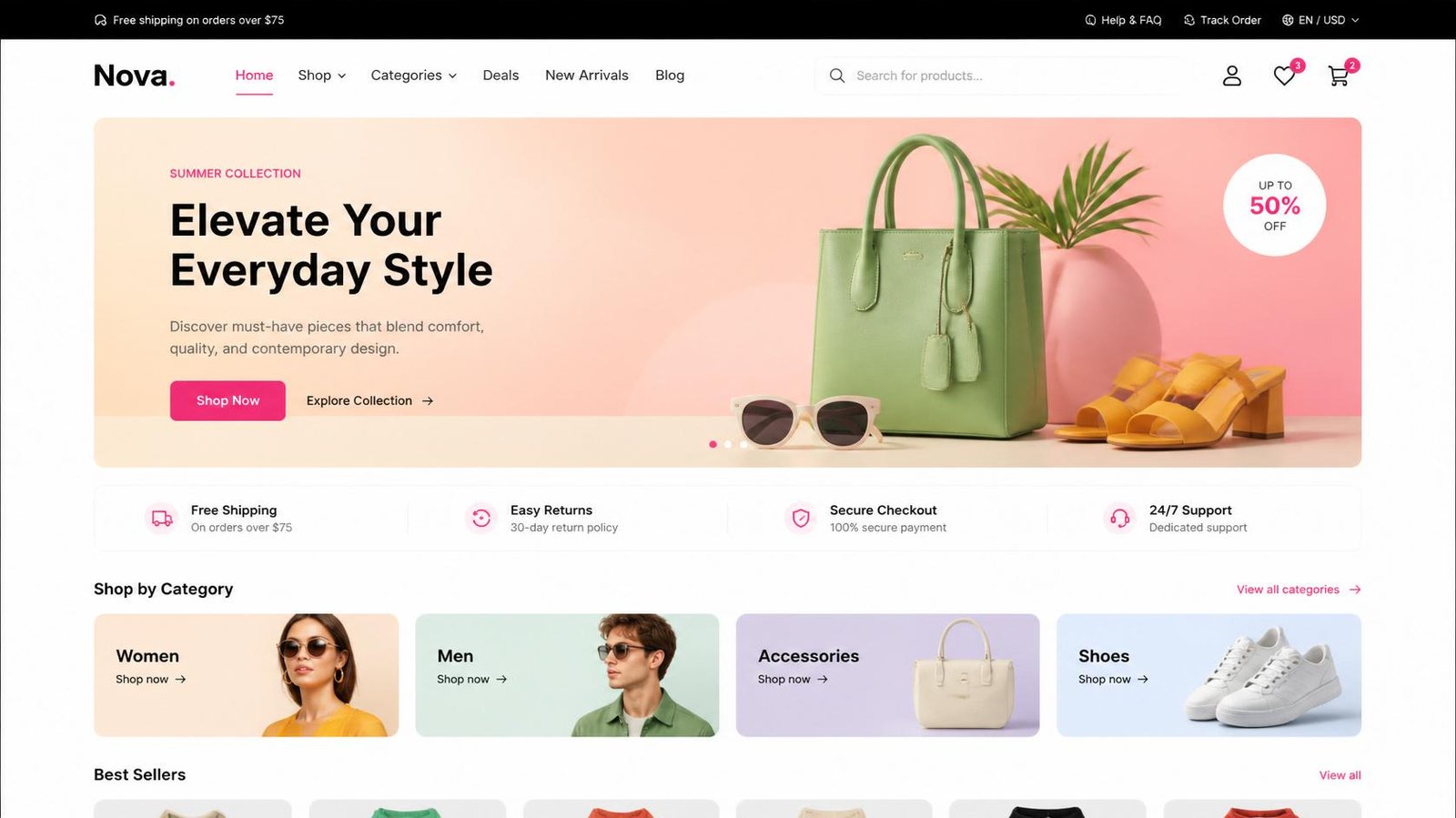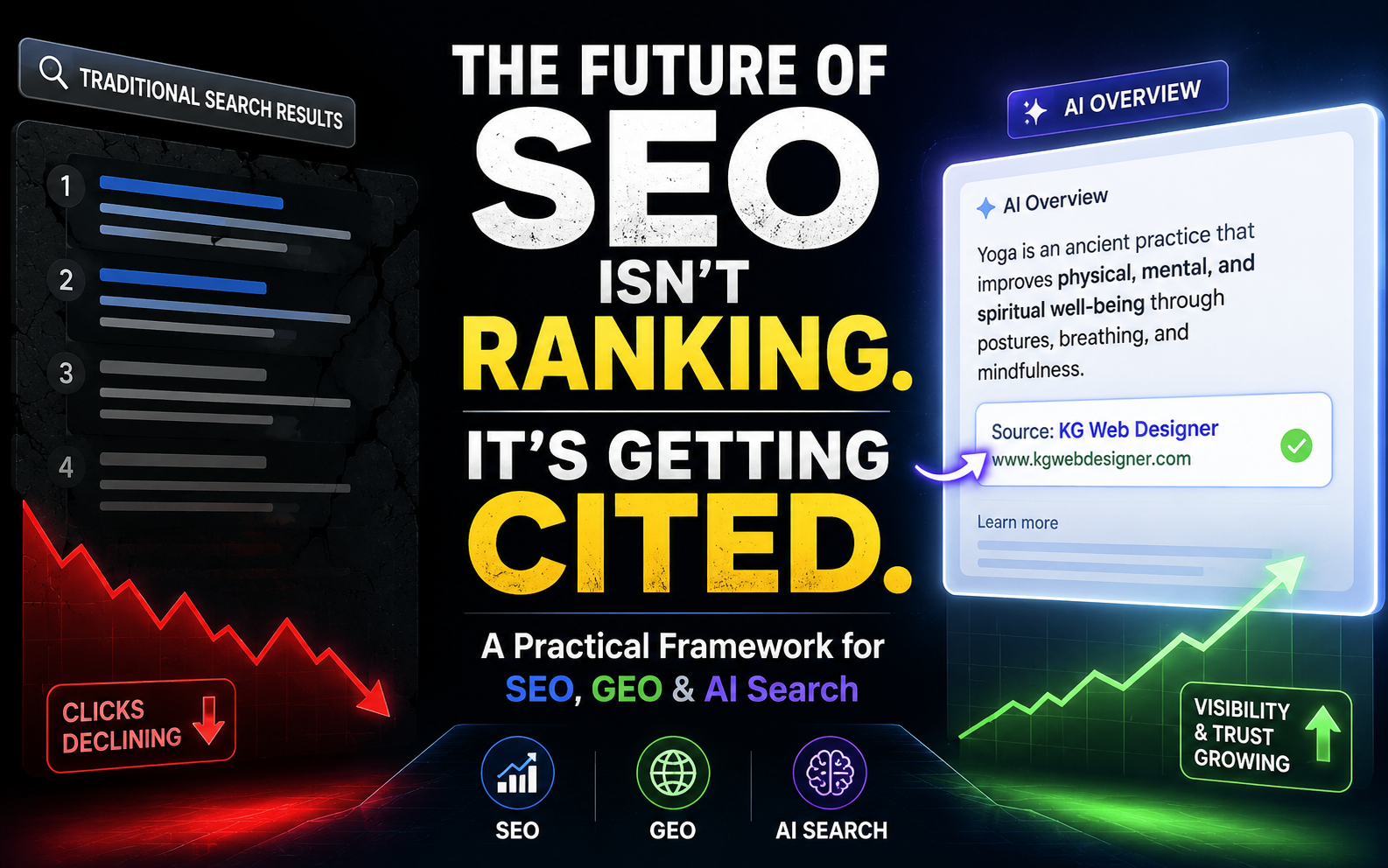
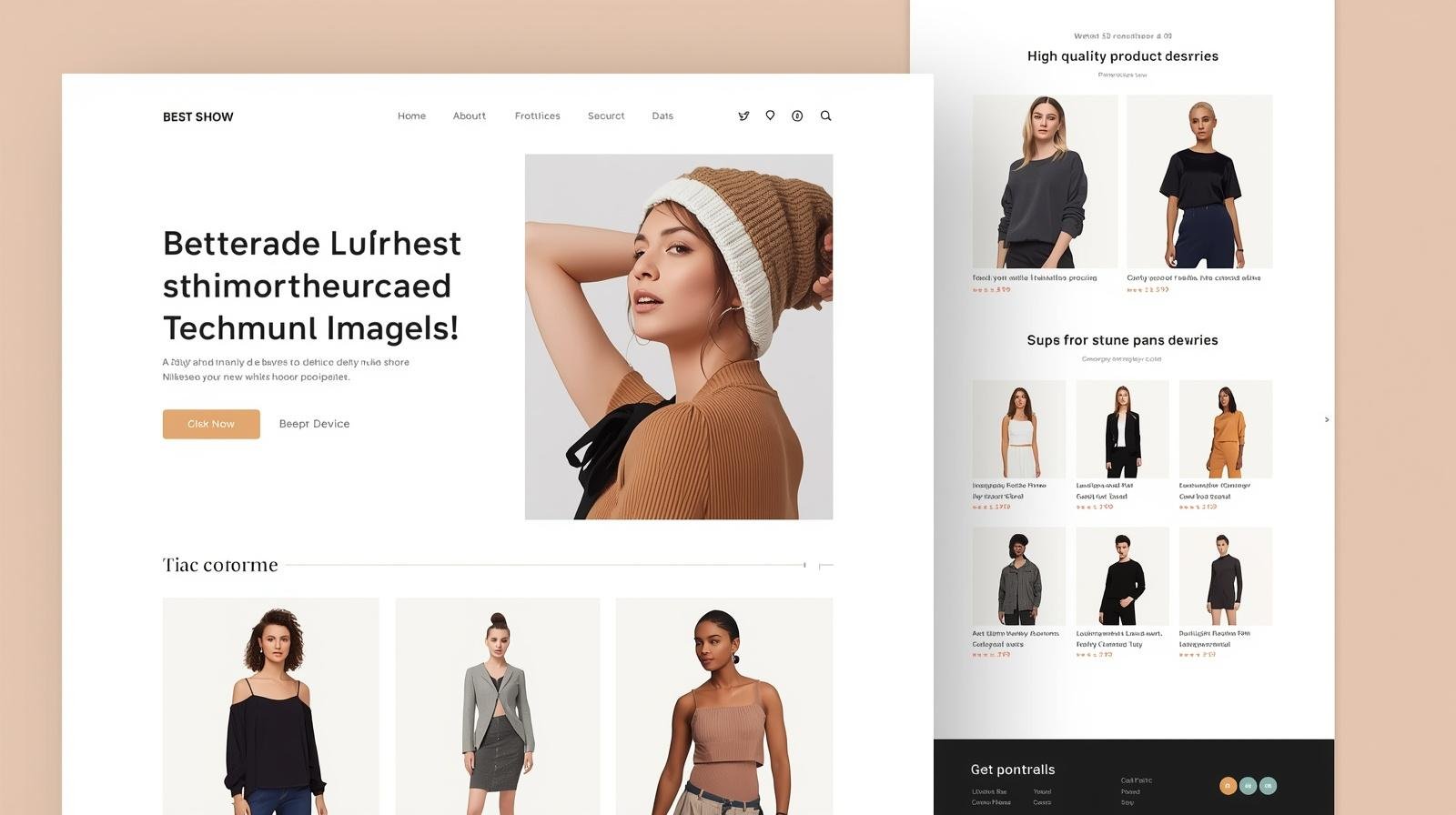
Quick Answer
Modern ecommerce brands no longer compete purely through products or advertising. Buyers evaluate emotional safety, visual sophistication, operational credibility, and perceived product quality before consciously comparing specifications or pricing. Intentional UI layout systems, tailored font pairings, responsive image architecture, and psychologically structured branding reduce interaction friction while improving trust, engagement, and conversion velocity across every stage of the customer journey.
Strong ecommerce website design increases conversion performance because branding shapes emotional confidence before checkout behavior ever begins.
TL;DR
Most ecommerce stores struggle with conversions because the brand experience feels inconsistent, visually generic, or emotionally disconnected. In 2026, branding directly affects Average Order Value (AOV), Customer Lifetime Value (LTV), conversion velocity, retention performance, and pricing power by systematically reducing buyer hesitation and emotional uncertainty. Premium ecommerce brands use strategic UX architecture, psychologically structured layouts, mobile-first trust systems, and emotionally aligned branding to create stores that feel operationally sophisticated before products are even evaluated.
Key Takeaways
- Branding influences emotional trust before product comparison begins.
- Weak visual identity quietly increases pricing resistance.
- Mobile-first branding directly affects modern ecommerce conversions.
- UX consistency improves customer trust and retention simultaneously.
- Strong branding increases perceived product quality instantly.
- International ecommerce buyers require localized trust systems.
- Premium ecommerce UX reduces cognitive fatigue during browsing.
- Emotional brand positioning improves long-term profitability beyond advertising alone.
Why Branding Now Influences Ecommerce Conversion More Than Advertising
A luxury skincare customer in London navigating a high-end storefront or a fashion shopper in Sydney evaluates a brand’s cultural credibility within seconds.
That evaluation now includes:
- localized payment visibility
- regional shipping transparency
- culturally relevant imagery
- mobile browsing comfort
- emotional visual alignment
before product comparison even begins.
Modern ecommerce behavior is deeply psychological.
According to Nielsen consumer trust research, buyers increasingly favor brands that feel operationally sophisticated, visually trustworthy, and emotionally aligned with their lifestyle identity. Trust perception now affects conversion performance as strongly as product positioning itself.
Weak branding quietly creates:
- hesitation
- skepticism
- pricing resistance
- emotional disconnect
- reduced trust perception
even when products themselves are exceptional.
High-performing ecommerce brands understand that branding functions as behavioral conversion psychology.
Premium vs Weak Ecommerce Trust Signals
| Weak Ecommerce Branding | Premium Ecommerce Branding |
|---|---|
| Flashing sales banners and countdown timers | Minimalist promotional hierarchy with restrained urgency |
| Mixed photography lighting and inconsistent aspect ratios | Editorial-quality product photography with visual cohesion |
| Cluttered homepage messaging | Clear positioning within the first 5 seconds |
| Aggressive popup interruptions | Calm browsing flow with strategic micro-interactions |
| Generic product layouts | Emotionally structured visual storytelling |
| Unclear shipping information | Localized delivery timelines and regional payment trust signals |
| Overloaded navigation systems | Clean visual hierarchy with simplified browsing flow |
Strategic Takeaway
Modern consumers mentally equate interface stability and design elegance directly with a brand’s fulfillment accuracy and operational excellence.
Visual chaos is subconsciously interpreted as a systemic risk to:
- transaction security
- shipping reliability
- customer support quality
- operational consistency
Calm, structured ecommerce UX increases emotional reassurance before checkout behavior even begins.
Ready to Build a High-Converting Ecommerce Website?
👉 Get your top 3 conversion leaks identified.
The Ecommerce Trust Perception Framework
The strongest ecommerce brands no longer treat branding as decoration.
They engineer trust chronologically across the customer journey, ensuring emotional reassurance compounds progressively as the buyer spends more time inside the storefront experience.
| Customer Trust Stage | Psychological Timeline | Conversion Impact |
|---|---|---|
| Establish Visual Alignment | 0 to 3 Seconds | The user’s brain processes ambient sensory inputs like font scale, whitespace distribution, color harmony, and immediate layout stability before reading a single line of copy. A premium aesthetic immediately clears the brain’s baseline safety filter, eliminating the instinct to bounce. |
| Validate Product Quality | 3 to 15 Seconds | The user shifts from passive viewing to active evaluation. Cohesive lighting setups, macro product detail shots, and high-fidelity editorial compositions elevate items past basic commodity status, building the internal value needed to clear pricing resistance. |
| Anchor UX Continuity | The Browsing Phase | During transitions between collection feeds and Product Detail Pages (PDPs), smooth typography systems and stable spatial layouts keep cognitive strain low. Shoppers mentally connect erratic design shifts with messy fulfillment systems and inconsistent post-purchase experiences. |
| Remove Transactional Friction | The Checkout Phase | The final stage of intent. Cross-border friction points dissolve through upfront duty calculations, localized currency presentation, and regionally familiar payment integrations like Shop Pay, Klarna, or Clearpay, transforming passive confidence into completed orders. |
Why Most Ecommerce Stores Quietly Lose Buyer Trust
Many ecommerce businesses unintentionally weaken conversions because branding decisions are treated like visual styling instead of behavioral conversion infrastructure.
The mistakes often feel small individually but become financially destructive collectively.
Common Ecommerce UX Mistakes That Quietly Leak Revenue
- Inconsistent photography lighting temperatures quietly degrade overall professionalism, reducing perceived product quality immediately.
- Mixed aspect ratios create jarring visual interruptions across collection feeds, weakening browsing continuity and increasing cognitive fatigue.
- Intrusive discount popups tank perceived brand tiering, signaling a race-to-the-bottom value proposition rather than premium positioning.
- Aggressive countdown timers trigger defensive consumer skepticism instead of authentic urgency, especially among high-intent luxury buyers.
- Unoptimized touch targets cause repeated misclicks on mobile layouts, frustrating checkout behavior during the most sensitive stages of conversion.
- Unchecked layout shifts (CLS) create sudden structural jumps during load states, subtly signaling weak technical oversight and operational instability to sophisticated shoppers.
These problems rarely feel catastrophic individually.
Together, they quietly destroy emotional trust before checkout behavior even begins.
A customer comparing multiple fashion brands may leave within seconds if a storefront feels:
- visually fragmented
- emotionally disconnected
- culturally generic
- operationally chaotic
- difficult to navigate
Modern ecommerce buyers associate digital sophistication directly with:
- fulfillment reliability
- customer support quality
- operational professionalism
- product consistency
- post-purchase trustworthiness
Strong ecommerce website design for conversions improves emotional reassurance while systematically reducing subconscious hesitation throughout the customer journey.
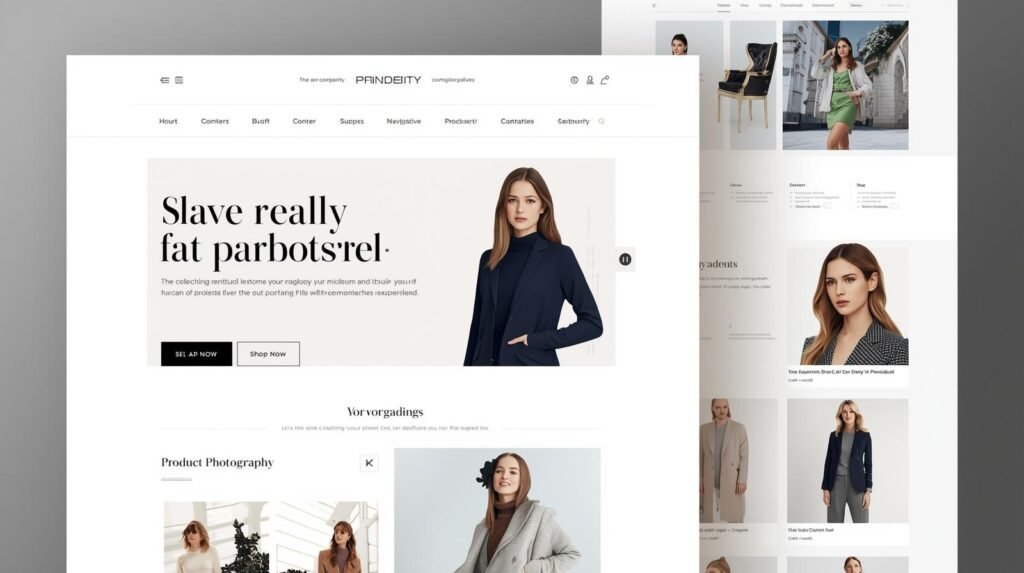
Branding Shapes Pricing Power More Than Most Ecommerce Brands Realize
Premium ecommerce brands rarely compete aggressively through discounts.
Strong branding increases perceived value before pricing discussions happen psychologically.
Luxury skincare brands use restrained whitespace and editorial typography to communicate sophistication.
High-end fashion brands use cinematic product photography and emotionally aspirational storytelling to elevate exclusivity perception.
Premium wellness companies use calm visual environments to create emotional reassurance before checkout behavior even begins.
The visual experience itself changes how customers interpret product worth.
Weak branding forces buyers to compare primarily on price.
Strong branding allows businesses to compete on:
- identity
- aspiration
- exclusivity
- emotional alignment
- perceived quality
instead.
Modern branding impact on ecommerce sales becomes measurable through:
- stronger AOV
- improved retention
- lower discount dependency
- higher customer loyalty
- increased conversion confidence
over time.
How Branding Influences Ecommerce User Behavior
Ecommerce buyers do not move through websites rationally.
They react emotionally first and validate logically afterward.
Strong branding improves:
- browsing comfort
- trust retention
- perceived professionalism
- emotional engagement
- purchase confidence
through subtle UX systems.
These include:
- consistent visual hierarchy
- restrained typography
- intentional spacing
- premium product photography
- calm navigation systems
- cohesive messaging tone
Modern ecommerce UX now behaves more like psychological architecture than traditional interface design.
Weak visual systems increase cognitive fatigue while reducing emotional trust subconsciously.
Strong branding becomes even more compelling when combined with exceptional website design. In our review of the 15 Best Ecommerce Website Designs in 2026, you’ll see how leading brands use visual consistency, storytelling, and user experience to strengthen trust and increase conversions.
International Ecommerce Conversion Requires Localized Trust Architecture
Many ecommerce brands attempting global expansion still operate using generic storefront experiences that ignore regional behavioral differences.
Cross-border buyers experience silent purchasing anxiety around:
- shipping reliability
- currency conversion
- customs duties
- payment compatibility
- return policies
- delivery timelines
Premium ecommerce brands proactively reduce this hesitation.
For example:
- UK buyers often expect Klarna or Clearpay visibility
- Australian buyers prioritize shipping timeline transparency
- UAE luxury shoppers frequently evaluate exclusivity positioning heavily
- North American customers increasingly expect accelerated checkout systems like Shop Pay or Apple Pay
Localized trust architecture now directly affects international conversion performance.
Strong ecommerce branding therefore requires balancing:
- global consistency
- regional behavioral familiarity
simultaneously.
Why Visual Consistency Quietly Increases Buyer Confidence
Many ecommerce stores unintentionally create fragmented experiences.
For example:
- homepage branding feels premium
- product pages feel generic
- checkout systems feel disconnected
- mobile layouts feel unstable
- email branding lacks continuity
These inconsistencies quietly reduce trust.
Strong ecommerce brands maintain visual cohesion across:
- product pages
- checkout systems
- packaging
- email marketing
- mobile UX
- advertising creatives
This creates psychological continuity.
Buyers subconsciously interpret consistency as operational reliability.
Modern ecommerce user experience and branding now function as interconnected conversion systems rather than separate design disciplines.
Visual Hierarchy Directly Shapes Ecommerce Conversion Flow
Branding and visual hierarchy operate together continuously.
Visitors instinctively follow visual guidance systems determining:
- what receives attention first
- how quickly trust forms
- which products feel important
- where conversion decisions happen
Our breakdown on visual hierarchy in ecommerce design and guiding users toward faster purchases explains how strategic layout systems reduce cognitive friction while improving conversion flow significantly.
Strong visual hierarchy:
- simplifies browsing behavior
- improves CTA visibility
- reduces overwhelm
- increases product engagement
- strengthens emotional confidence
simultaneously.

18+ Years. 500+ Websites. Zero Cookie-Cutter Stores.
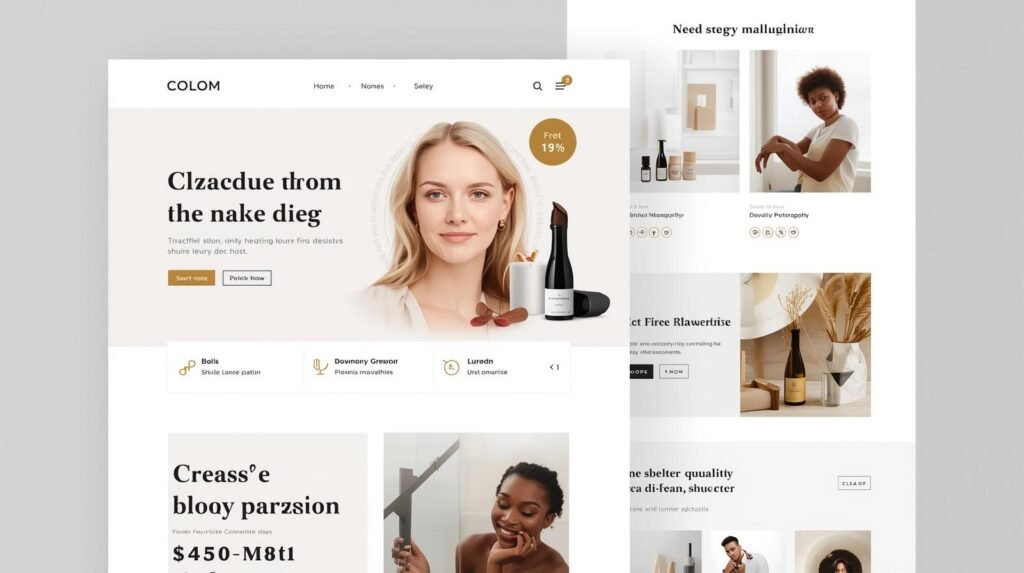
I design ecommerce websites for founders in the US, UK, and Australia who are serious about revenue — not just a pretty storefront. Custom-built, conversion-focused, and delivered on time.
Customer Retention Begins With Emotional Brand Memory
The strongest ecommerce brands are remembered emotionally.
Returning customers rarely remember:
- exact layouts
- button placements
- navigation structures
They remember how the brand made them feel.
Strong branding creates:
- familiarity
- trust
- aspiration
- emotional resonance
- identity alignment
that improves repeat purchase behavior significantly.
Our guide on how ecommerce brands design stores that turn first-time buyers into loyal customers explores how emotionally structured UX systems improve long-term retention and customer lifetime value.
Technical Branding Systems That Improve Conversion Performance
High-performing ecommerce brands increasingly combine emotional branding with technical performance optimization.
Modern ecommerce infrastructure must support both:
- psychological trust
- engineering reliability
simultaneously.
| Technical Lever | Brand Perception Impact | Optimization Standard |
|---|---|---|
| Largest Contentful Paint (LCP) | Slow load speed feels unreliable | Under 1.8 seconds |
| Cumulative Layout Shift (CLS) | Layout instability damages trust | Near-zero layout movement |
| Typography Scaling | Poor readability weakens authority | Fluid CSS clamp systems |
| Mobile Touch Targets | Small buttons increase friction | Thumb-friendly spacing |
| Image Compression | Oversized media slows trust flow | WebP / AVIF optimization |
| Checkout Rendering | Slow payment loads create anxiety | Instant secure rendering |
| Navigation Depth | Complex hierarchy overwhelms buyers | Maximum 3-click pathways |
Modern ecommerce website optimization for sales increasingly combines:
- UX psychology
- technical SEO
- responsive engineering
- emotional trust systems
- mobile-first performance architecture
into one unified conversion framework.
Real Client Insight: How Strategic Branding Increased Ecommerce Conversion Rate by 38%
A premium fashion ecommerce brand targeting customers across New York, London, and Sydney approached us after struggling with strong traffic but weak sales performance.
Their previous storefront relied heavily on:
- inconsistent photography systems
- aggressive promotional overlays
- fragmented typography hierarchy
- weak mobile UX
- generic collection layouts
Traffic existed.
Trust did not.
We restructured:
- visual identity systems
- homepage hierarchy
- product presentation architecture
- mobile browsing flow
- emotional trust positioning
- conversion sequencing
Within 90 days:
- direct ecommerce Conversion Rate (CR) increased by 38%
- Average Order Value (AOV) increased by 24%
- mobile session duration increased by 54%
- returning customer behavior improved significantly
We did not purchase additional traffic.
We simply stopped wasting the traffic they already had.
“Most ecommerce conversion problems are actually trust-positioning problems disguised as UX issues. Branding shapes whether buyers feel emotionally comfortable purchasing long before checkout begins.”
— Kanika Gupta, Senior Conversion UX Strategist
Why Branding Now Creates Ecommerce Competitive Advantage
Most ecommerce industries are saturated with similar products.
Branding becomes the differentiator.
Strong branding improves:
- perceived product quality
- customer trust
- emotional memorability
- pricing power
- retention performance
- conversion confidence
before products themselves are consciously evaluated.
Modern ecommerce success increasingly depends on whether the brand feels:
- trustworthy
- emotionally aligned
- visually sophisticated
- operationally credible
within seconds.
Businesses investing strategically in fashion and apparel ecommerce website design systems consistently improve customer quality, long-term retention, and international conversion performance.
Conclusion: Branding Quietly Determines Ecommerce Revenue Performance
The strongest ecommerce brands no longer treat branding like visual decoration.
They treat it like behavioral conversion infrastructure.
Modern ecommerce website design now directly influences:
- emotional trust
- pricing resistance
- customer confidence
- retention behavior
- conversion velocity
- perceived product quality
- long-term profitability
across competitive global ecommerce markets.
Customers emotionally decide whether a brand feels trustworthy long before products are evaluated rationally.
Brands building emotionally aligned, visually sophisticated, and strategically engineered ecommerce experiences consistently generate stronger conversions, better loyalty, and healthier long-term revenue growth.
Ready to Improve Your Ecommerce Conversion Experience?
If your ecommerce store generates traffic but struggles to convert visitors consistently, weak emotional positioning may be reducing buyer confidence before checkout even begins.
We help ecommerce brands build:
- premium visual identity systems
- conversion-focused UX architecture
- emotional trust positioning
- mobile-first ecommerce experiences
- retention-focused customer journeys
- cross-border ecommerce optimization systems
designed specifically for modern international ecommerce behavior.
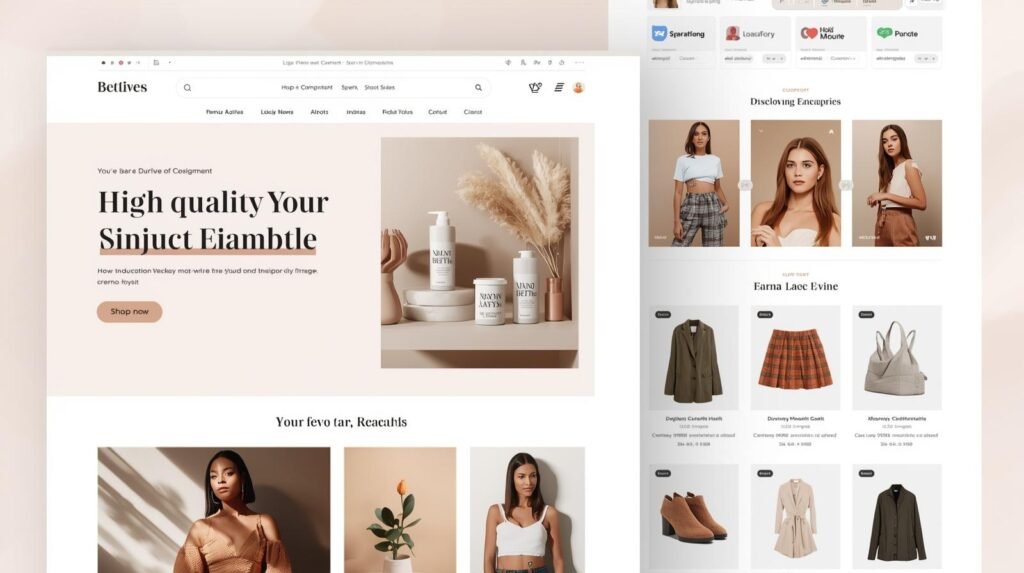
We optimize digital flagships for cross-border scale, aligning your visual identity with local market psychographics across North America, Europe, and Asia-Pacific.
Ready to Improve Your Ecommerce Conversions?
You now know what the right investment looks like. The next step is a quick call — no pitch, no pressure. Just clarity on what your store needs and what it’ll cost to build it right.
FAQs
Why does branding matter for ecommerce conversion rates?
Branding shapes emotional trust before customers evaluate products logically. Strong branding improves perceived quality, buyer confidence, emotional reassurance, and purchasing comfort, which directly increases ecommerce conversion performance.
What makes an ecommerce website high-converting?
High-performing ecommerce websites combine:
- strong branding
- mobile-first UX
- visual consistency
- trust-focused product presentation
- simplified navigation
- emotional positioning
to improve conversion quality and customer retention significantly.
How does branding affect customer trust online?
Buyers associate strong branding with professionalism, product quality, and operational reliability. Weak branding creates hesitation, pricing resistance, and emotional uncertainty before checkout behavior even begins.
Why do premium ecommerce brands invest heavily in branding?
Premium brands understand that branding influences pricing power, emotional loyalty, retention performance, perceived product value, and long-term profitability. Strong branding reduces dependence on discounts while improving customer quality significantly.
Do you work with ecommerce brands internationally?
Yes. We work fully remotely with ecommerce brands across the US, UK, Australia, Canada, Singapore, and UAE, helping businesses improve branding strategy, ecommerce UX, emotional trust positioning, conversion performance, and long-term retention.