Quick Answer
Industrial buyers now evaluate suppliers digitally before requesting quotes. A modern manufacturing website design improves procurement trust, simplifies technical communication, strengthens overseas credibility, and increases qualified RFQs by helping buyers quickly verify operational capability, production reliability, and supplier professionalism.
TL;DR
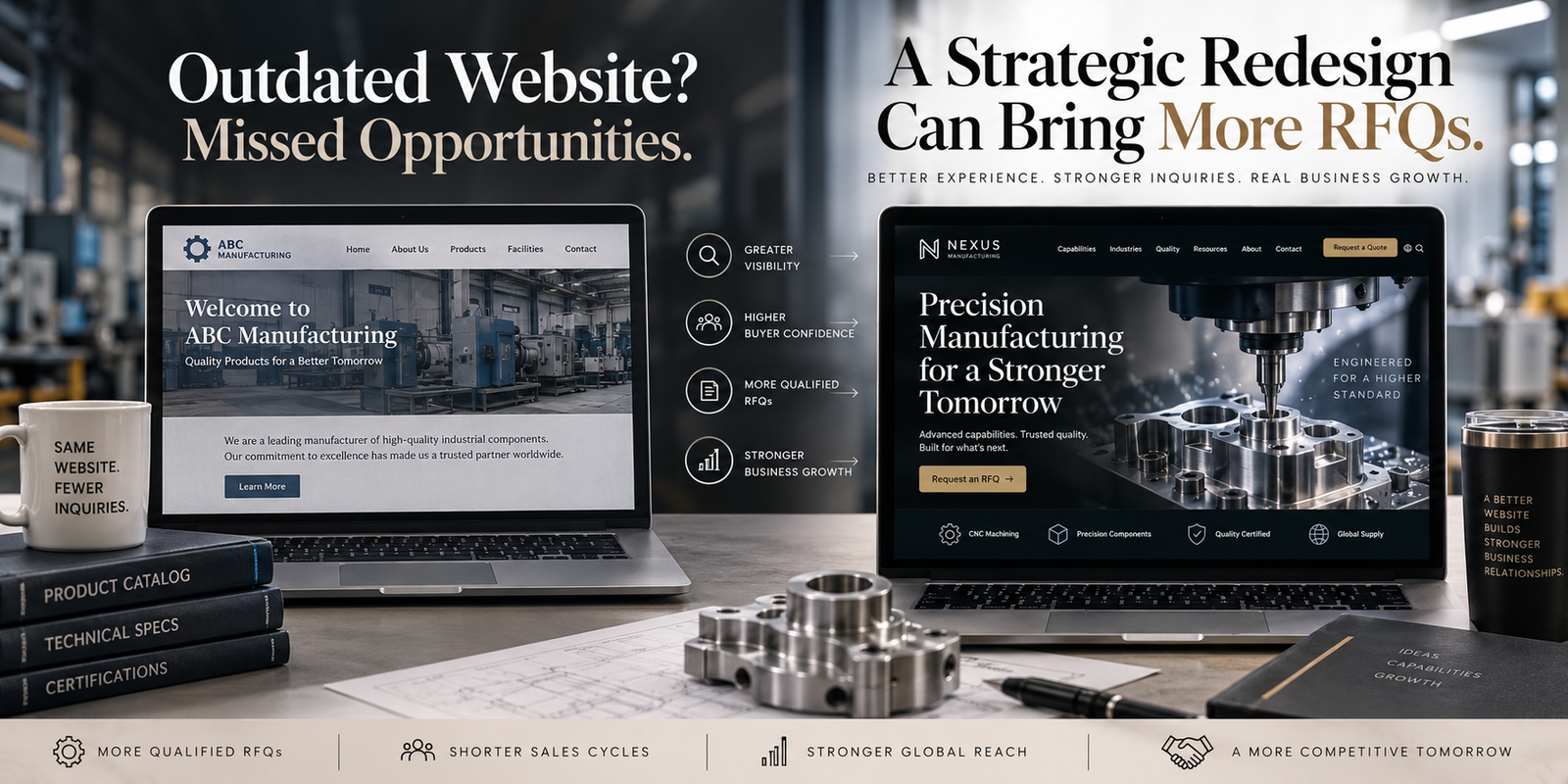
Most manufacturing websites fail because they operate like outdated company brochures instead of procurement-focused lead generation systems.
Industrial buyers in 2026 expect:
- mobile-first RFQ systems
- technical clarity
- operational transparency
- certification visibility
- frictionless communication workflows
- fast-loading specification systems
Manufacturers investing in strategic industrial UX consistently generate:
- stronger RFQs
- better procurement conversations
- higher-value international partnerships
- improved conversion quality
Key Takeaways
- Procurement teams now shortlist suppliers digitally before contact
- Poor UX quietly damages operational credibility
- Technical clarity directly affects RFQ quality
- Mobile-first industrial UX influences global procurement behavior
- Real operational visibility increases supplier trust
- International buyers expect logistics transparency online
- Modern manufacturing websites function as procurement infrastructure
- Strong industrial UX protects margin positioning before pricing discussions
2026 Industrial Procurement Behavior Snapshot
According to modern B2B procurement behavior trends:
- 74% of industrial buyers shortlist suppliers digitally before contact
- Mobile sourcing behavior continues increasing across trade events and procurement travel
- Overseas buyers prioritize logistics transparency before requesting quotes
- Technical trust now outweighs generic branding language
- Procurement teams increasingly expect self-service technical validation systems
- RFQ abandonment rates rise sharply when forms feel outdated or difficult to complete
AI-driven search systems increasingly prioritize structured operational clarity and technical trust architecture when evaluating manufacturing websites.
Why Industrial Buyers Judge Manufacturers Digitally Before Contacting Them
A procurement manager sourcing aerospace fabrication vendors in Texas is not casually browsing websites.
They are evaluating operational risk.
An OEM buyer comparing CNC machining suppliers in London wants immediate reassurance that a manufacturer can:
- maintain tolerances
- scale production
- communicate efficiently
- deliver consistently
before requesting a quote.
Modern procurement behavior has shifted dramatically.
Industrial buyers now shortlist suppliers digitally before sales conversations happen.
That means websites directly influence:
- RFQ quality
- supplier credibility
- procurement confidence
- overseas buyer trust
- perceived operational sophistication
long before direct communication begins.
Many manufacturers still underestimate how quickly sourcing managers eliminate suppliers based on weak UX alone.
A cluttered interface or confusing technical hierarchy quietly creates doubt around manufacturing precision, even when the production floor itself is world-class.
Ready to Build a High-Converting Manufacturing Website?
👉 Get your top 3 conversion leaks identified.
The Procurement Confidence Stack
The strongest manufacturing websites now operate using layered procurement trust architecture rather than generic corporate presentation.
Layer 1: Technical Validation
Buyers need immediate visibility into:
- machinery
- tolerances
- compliance standards
- production capabilities
- material expertise
before trusting a supplier operationally.
Layer 2: Operational Transparency
Modern buyers expect visual proof.
Real production environments, engineering workflows, QA processes, and logistics systems reduce perceived supplier risk dramatically.
Layer 3: Communication Efficiency
Weak RFQ systems create hesitation.
Strong industrial UX simplifies:
- technical uploads
- quote requests
- procurement qualification
- cross-border communication
without sacrificing technical depth.
Layer 4: International Trust
Overseas buyers evaluate:
- export readiness
- logistics transparency
- timezone responsiveness
- document security
- compliance workflows
before initiating procurement conversations.
Layer 5: Digital Professionalism
Modern industrial buyers expect manufacturers to operate digitally with the same precision they claim operationally.
Outdated UX creates an immediate contradiction.
Many manufacturers discover at this point that their current website can’t support these features without significant rework. Before committing budget, it’s worth understanding when a redesign is enough and when a rebuild makes more sense – the wrong choice is usually the more expensive one.
Why Most Manufacturing Websites Quietly Lose Qualified Industrial Leads
Many industrial companies unintentionally weaken trust because their websites focus heavily on internal company information rather than buyer validation.
Procurement teams care about:
- production reliability
- technical competence
- operational consistency
- communication responsiveness
- compliance standards
- logistics efficiency
Yet many industrial websites still rely on:
- outdated layouts
- generic stock photography
- poor mobile usability
- hidden certifications
- weak technical hierarchy
- difficult navigation
These small friction points create major procurement hesitation.
A sourcing manager evaluating medical device fabrication partners may leave a website immediately if:
- certifications are buried
- tolerances are unclear
- technical files are difficult to access
- RFQ systems feel outdated
Strong industrial UX reduces perceived procurement risk before pricing discussions even begin.

18+ Years. 500+ Websites. Zero Cookie-Cutter Stores.
I design manufacturing websites for founders in the US, UK, and Australia who are serious about revenue. Custom-built, conversion-focused, and delivered on time.
1. Technical Capability Pages That Match Procurement Thinking
Industrial buyers want immediate technical clarity.
Weak manufacturing websites often overwhelm users with broad company descriptions instead of structured capability architecture.
High-performing manufacturers organize capability pages around:
- machinery
- tolerances
- materials
- production scale
- compliance standards
- industry applications
rather than vague promotional language.
Aerospace procurement teams evaluate suppliers differently than medical manufacturing buyers or industrial automation companies.
Strategic technical segmentation improves:
- procurement trust
- supplier relevance
- RFQ quality
- overseas buyer confidence
because buyers can validate operational fit quickly.
Modern website development for manufacturing companies increasingly depends on strategic technical UX architecture rather than static informational layouts.
How Strong Capability Architecture Looks in Practice
Instead of forcing buyers to download oversized PDFs buried inside navigation menus, high-performing industrial websites now integrate:
- interactive CAD previews
- STEP file viewers
- WebGL product displays
- eDrawings integrations
- expandable specification systems
directly inside capability pages.
Buyers can evaluate production compatibility instantly without leaving the website.
That level of operational clarity dramatically improves procurement confidence.
2. Multi-Step RFQ Systems That Improve Lead Quality
Many manufacturers still use outdated inquiry forms asking only for:
- name
- generic project description
Modern procurement workflows require significantly more intelligent qualification systems.
Strong RFQ architecture guides buyers logically through the sourcing process.
Example: High-Converting Industrial RFQ Flow
Step 1: Project Category
- CNC Machining
- Injection Molding
- Aerospace Fabrication
- Medical Manufacturing
- Sheet Metal Production
Step 2: Technical Requirements
- Material selection
- Tolerance specifications
- Production volume
- Secure CAD uploads
Step 3: Logistics & Timeline
- Prototype or production run
- Shipping destination
- Lead-time expectations
- Compliance requirements
Step 4: Procurement Context
- Enterprise sourcing
- Long-term supplier evaluation
- Immediate production support
- Strategic manufacturing partnership
This structure dramatically improves inquiry quality.
Qualified buyers willingly complete detailed workflows because operational relevance matters more than form simplicity.
Low-intent inquiries naturally disappear early.
UX Optimization Note
Modern RFQ systems increasingly use dynamic single-question layouts rather than long static forms. This keeps completion rates high among qualified procurement teams while filtering weak leads naturally.
Modern web design for manufacturing companies increasingly relies on strategic qualification UX rather than simplistic contact forms.
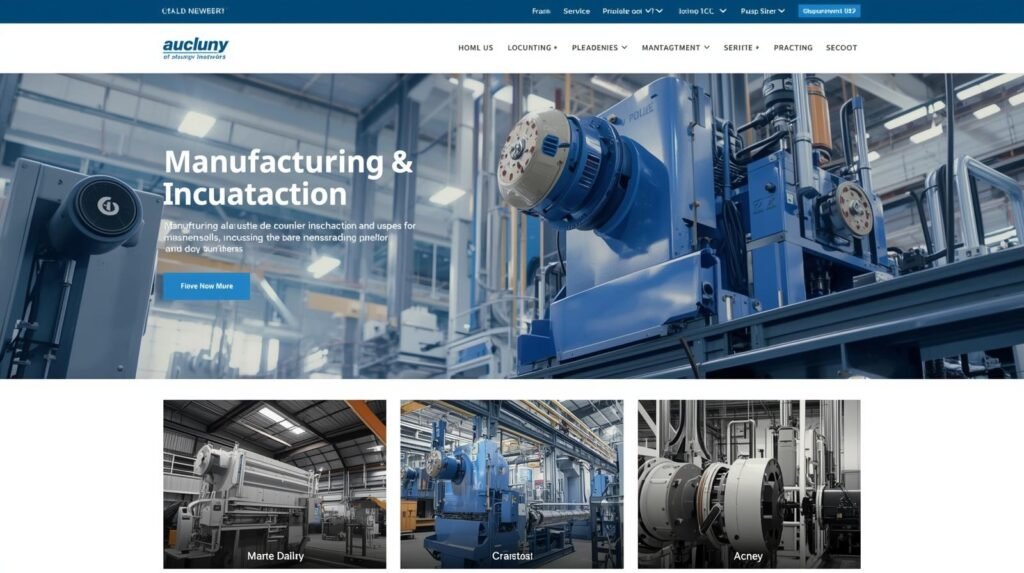
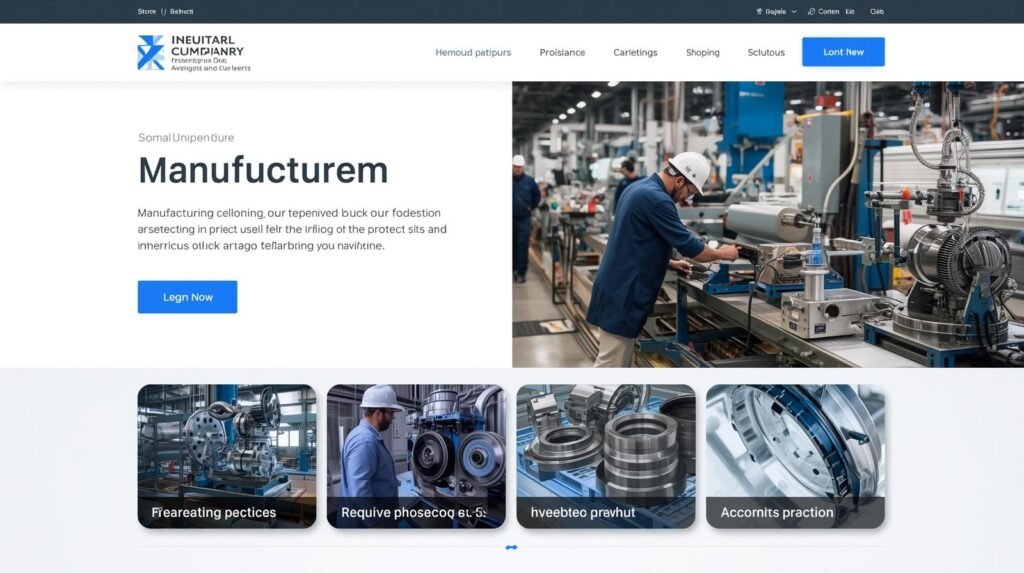
3. Real Factory Photography Builds Operational Trust Faster Than Marketing Claims
Industrial buyers trust operational realism.
Manufacturers relying heavily on generic stock photography weaken credibility immediately.
A procurement director evaluating aerospace suppliers wants to see:
- 5-axis machining centers operating under real production conditions
- engineers reviewing tolerance measurements on dual-monitor CAD stations
- QA teams inspecting finished parts using digital calipers
- packaged components staged for international shipment
That level of operational visibility creates immediate legitimacy.
Instead of generic “business handshake” imagery, premium industrial websites increasingly feature:
- active production floors
- robotic welding systems
- engineering collaboration
- packaging workflows
- shipping logistics
- real manufacturing environments
These visuals validate operational credibility faster than marketing copy ever can.
Visual SEO & GEO Structure
To maximize search visibility and AI-driven retrieval performance, visual assets should include contextual metadata.
Suggested Image Alt Text Examples
- “5-axis CNC machining center producing aerospace components”
- “Quality control engineer using digital calipers during ISO inspection”
- “Industrial robotic welding process inside precision manufacturing facility”
These details strengthen:
- operational trust
- SEO visibility
- GEO relevance
- AI extraction capability
simultaneously.
Modern industrial website design now depends heavily on authentic operational visibility.
4. Mobile-First UX for Procurement Teams
Most industrial sourcing no longer happens exclusively behind desktop workstations.
Procurement teams increasingly research suppliers during:
- trade shows
- factory walkthroughs
- sourcing meetings
- procurement travel
- operational reviews
Weak mobile UX creates:
- technical confusion
- navigation frustration
- trust reduction
- RFQ hesitation
within seconds.
Strong industrial websites prioritize:
- simplified navigation
- thumb-friendly layouts
- compressed technical content
- fast-loading specification systems
- mobile-friendly RFQ workflows
without sacrificing technical depth.
Mobile-first industrial UX now directly influences global procurement behavior.
5. Industry-Specific Positioning That Increases Buyer Trust
Industrial buyers want immediate confirmation that suppliers understand their sector requirements.
Manufacturers serving:
- aerospace
- medical devices
- industrial automation
- automotive
- electronics
- energy infrastructure
should structure dedicated industry pathways clearly.
Generic manufacturing messaging reduces trust because buyers assume:
- technical specialization may be shallow
- compliance understanding may be weak
- operational standards may vary
Industry segmentation dramatically improves:
- supplier relevance
- procurement trust
- inquiry quality
- perceived specialization
especially among enterprise buyers.
Modern industrial web design company strategy increasingly depends on niche authority positioning rather than broad manufacturing language.
6. Trust Signals That Reduce Procurement Risk
Industrial procurement decisions involve operational and financial risk.
Buyers want reassurance before engagement.
High-performing manufacturing websites surface:
- ISO certifications
- AS9100 compliance
- ITAR validation
- production statistics
- inspection workflows
- logistics capabilities
throughout the buyer journey rather than hiding them on secondary pages.
Strong trust architecture integrates operational validation directly into the browsing experience.
For example:
- compliance badges positioned near RFQ forms
- uptime statistics near capability pages
- quality-control workflows embedded inside service pages
Many manufacturers underestimate how strongly certification visibility affects international procurement confidence.
7. Strategic Navigation That Guides Buyers Efficiently
Industrial buyers do not want to “explore” websites casually.
They want immediate access to operational information.
High-performing industrial UX structures navigation around:
- capabilities
- industries served
- certifications
- equipment
- RFQ systems
- technical resources
to reduce cognitive friction.
If your company generates traffic but struggles with weak inquiry quality, our guide on why manufacturing websites fail to generate B2B leads in 2026 explains how poor UX quietly damages procurement trust and overseas conversion performance.
Strategic buyer journeys now influence conversion quality as heavily as technical capability itself.
8. Overseas Buyer Trust Systems
International procurement buyers evaluate supplier reliability carefully before initiating conversations.
Manufacturers targeting overseas markets should clearly communicate:
- export capabilities
- logistics systems
- communication workflows
- compliance processes
- production timelines
- international support infrastructure
because global buyers frequently worry about:
- shipping reliability
- coordination delays
- quality inconsistencies
- cross-border communication
- operational transparency
High-performing manufacturers proactively reduce hesitation through:
- timezone-aware communication workflows
- multilingual technical pathways
- secure document portals
- international RFQ routing systems
- logistics transparency dashboards
These systems dramatically improve overseas procurement confidence.
9. Performance Optimization and Technical SEO Infrastructure
Industrial websites frequently suffer from:
- slow load speeds
- oversized technical files
- poor mobile rendering
- outdated backend architecture
which negatively affects:
- SEO visibility
- buyer trust
- engagement quality
- RFQ conversion rates
Modern industrial websites increasingly prioritize:
- optimized image systems
- compressed CAD previews
- fast-loading specification pages
- clean code architecture
- structured schema implementation
to support both:
- human procurement behavior
- AI-driven search visibility
simultaneously.
Modern industrial website development now requires technical SEO infrastructure alongside conversion-focused UX strategy.
Technical Benchmarks Industrial Websites Should Meet
| Technical Standard | Recommended Benchmark |
|---|---|
| Mobile Load Speed | Under 2.5 Seconds |
| RFQ Completion Time | Under 3 Minutes |
| Core Web Vitals LCP | Below 2.5s |
| CAD Upload Support | 100MB+ |
| Mobile CTA Visibility | Above Fold |
| Technical Image Format | WebP |
| Schema Markup | Organization + FAQ + Service |
| Mobile Navigation Depth | Maximum 3 Clicks |
These measurable standards increasingly influence:
- SEO visibility
- procurement usability
- AI extraction quality
- overseas buyer confidence
simultaneously.
10. Messaging That Speaks to Procurement Psychology
Industrial buyers do not care about vague marketing claims.
They care about operational outcomes.
Weak manufacturing websites often focus heavily on:
- company history
- internal culture
- generic mission statements
instead of addressing:
- production consistency
- turnaround reliability
- manufacturing precision
- operational scalability
- communication responsiveness
High-converting industrial messaging answers the questions procurement teams actually ask:
- Can this supplier deliver reliably?
- Can they scale production efficiently?
- Will communication remain transparent?
- Do they understand strict compliance requirements?
- Can they reduce operational risk?
When sourcing managers cannot quickly validate operational capability, supplier comparison shifts toward price alone.
Strong UX protects margin positioning by establishing operational trust before pricing discussions even begin.
Modern B2B manufacturing website design now functions as a procurement reassurance system rather than a branding exercise alone.
The Industrial Website Features Procurement Teams Expect in 2026
| Feature | Why Buyers Expect It | What Happens Without It |
|---|---|---|
| Mobile RFQ Systems | Faster procurement communication | Increased inquiry abandonment |
| CAD Upload Capability | Technical workflow efficiency | Operational friction |
| Industry-Specific Pages | Stronger supplier relevance | Reduced trust |
| Certification Visibility | Procurement reassurance | Supplier hesitation |
| Fast Mobile UX | Better sourcing usability | Higher bounce rates |
| Logistics Transparency | Overseas buyer confidence | Reduced international inquiries |
| Real Factory Photography | Operational legitimacy | Lower perceived credibility |
| Structured Navigation | Faster decision-making | Buyer frustration |
Real Client Insight: How Strategic Industrial UX Increased Qualified RFQs by 34%
A mid-sized industrial fabrication company targeting aerospace and energy-sector buyers approached us after struggling with weak inquiry quality despite maintaining strong organic visibility.
Their previous website:
- buried technical capabilities
- lacked mobile RFQ usability
- relied on generic stock visuals
- failed to segment industries clearly
- created weak operational trust
Buyers visited the website but hesitated before contacting the company.
We restructured:
- capability hierarchy
- technical architecture
- procurement trust positioning
- mobile RFQ workflows
- factory visibility
- industry segmentation
Within 90 days of deploying the new procurement-focused UX system:
- qualified aerospace RFQs increased by 34%
- overseas procurement inquiries improved significantly
- low-intent inquiries dropped by nearly 50%
- mobile engagement metrics improved by 61%
Traffic remained relatively stable.
Buyer confidence changed dramatically.
“Industrial buyers evaluate supplier reliability digitally long before procurement conversations begin. Strong UX quietly reduces operational risk perception.”
— Kanika Gupta, Senior Conversion UX Strategist
Why Strong Industrial UX Creates Competitive Advantage
Many manufacturers compete against suppliers offering similar:
- machinery
- production capacity
- certifications
- technical capabilities
Digital experience becomes the differentiator.
Strong industrial UX improves:
- perceived operational sophistication
- procurement confidence
- supplier trust
- communication clarity
- RFQ quality
before conversations ever begin.
Modern buyers expect manufacturers to operate digitally with the same precision they claim operationally.
Outdated UX creates an immediate contradiction.
Manufacturers investing heavily into trade shows, outbound sales, and paid acquisition often lose opportunities because their digital experience weakens trust immediately after the first click.
Businesses investing in strategic corporate website solutions for industrial companies consistently improve procurement trust, overseas buyer confidence, and industrial lead quality.
Conclusion: Procurement Trust Now Begins Online
The strongest manufacturers no longer treat websites like digital brochures.
They treat them as procurement trust systems.
Modern manufacturing website design now directly affects:
- RFQ quality
- supplier credibility
- overseas procurement trust
- operational reassurance
- industrial lead generation
- buyer confidence
across competitive global manufacturing markets.
Industrial buyers evaluate suppliers digitally before sales conversations ever happen.
Manufacturers creating technically refined, strategically structured, and operationally trustworthy digital experiences consistently generate stronger procurement opportunities worldwide.
Ready to Improve Your Manufacturing Website Conversions?
You now know what the right investment looks like. The next step is a quick call — no pitch, no pressure. Just clarity on what your website needs and what it’ll cost to build it right.
Ready for a Manufacturing Website Audit?
If your website generates traffic but struggles to attract qualified industrial inquiries consistently, the issue may not be your operational capabilities.
Digital positioning may be weakening procurement trust before conversations even begin.
We help industrial companies create:
- conversion-focused manufacturing UX
- procurement-driven website systems
- international trust architecture
- technical buyer journeys
- modern industrial branding experiences
designed specifically for global B2B manufacturing behavior.
Available across US, UK, and AU time zones. Fully remote. No commitment required.
FAQs
Why do manufacturing companies need modern websites in 2026?
Modern industrial buyers evaluate suppliers digitally before requesting quotes. Strong websites improve operational trust, technical clarity, procurement confidence, and overseas credibility while generating higher-quality industrial inquiries.
What makes a manufacturing website high-converting?
High-performing manufacturing websites combine:
- technical clarity
- mobile-first UX
- RFQ optimization
- operational transparency
- certification visibility
- industry-specific positioning
to improve procurement trust and industrial lead quality significantly.
Why is mobile UX important for industrial buyers?
Procurement teams increasingly research suppliers during trade shows, sourcing meetings, factory visits, and procurement travel using mobile devices. Poor mobile UX creates confusion, reduces trust, and increases inquiry abandonment significantly.
How does industrial website design affect overseas lead generation?
International buyers evaluate supplier professionalism digitally before contacting manufacturers. Strong industrial UX improves logistics trust, operational reassurance, communication confidence, and cross-border procurement credibility.
Do you work with manufacturing companies internationally?
Yes. We work fully remotely with manufacturing companies across the US, UK, Australia, Canada, Singapore, and UAE, helping industrial brands improve procurement trust, qualified lead generation, technical UX, and conversion-focused website strategy.