TL;DR
Customers don’t read product pages, they scan them.
To convert, your page must deliver:
- Clarity: What the product is and why it matters
- Proof: Images, videos, and reviews that build trust
- Reassurance: Shipping, returns, and secure checkout signals
- Action: A clear, easy-to-click “Buy Now” flow
If any of these are missing, users hesitate and hesitation kills conversions.
Key Takeaways
- Product pages-not homepages-drive the majority of ecommerce revenue
- First impressions happen in milliseconds, not seconds
- Trust signals near the CTA directly influence conversions
- Speed, UX, and clarity impact revenue more than design aesthetics
- Mobile-first, accessible, and interactive design drives higher engagement
- Strong product pages reduce hesitation and increase average order value
Quick Answer
A high-converting ecommerce product page design is structured to guide users through four key stages: clarity, trust, validation, and action. When customers instantly understand the product, see proof it works, feel reassured about risk, and can purchase without friction, conversions increase significantly.
Introduction: Your Product Page Has 0.05 Seconds to Win
Your product page has 0.05 seconds to make an impression.
That’s faster than a blink.
In that micro-moment, your layout is doing the talking your sales team can’t.
A customer in New York compares you with three competitors.
A London shopper scrolls quickly looking for proof.
A Sydney buyer checks your page on mobile during a commute.
They don’t analyze your page.
They scan it.
And within seconds, they decide:
- Do I trust this product?
- Is it worth the price?
- Should I buy now or keep looking?
If your page doesn’t answer these instantly, they leave.
That’s why ecommerce product page design is not about visuals-it’s about structuring decisions.

Is Your Ecommerce Website Losing Sales in the First 5 Seconds?
If visitors leave before exploring your products, your design, speed, or messaging may be costing you revenue. See how high-converting ecommerce websites are built.
Why Product Pages Matter More Than Your Homepage
Most brands invest heavily in homepage design.
But conversions don’t happen there.
They happen on product pages.
Your product page is where:
- Doubt is removed
- Value is justified
- Trust is built
- Action happens
This is where ecommerce website design for higher sales becomes measurable.
A weak product page wastes traffic.
A strong one multiplies revenue.
Ecommerce Product Page Design: The Structure That Drives Conversions
A high-performing ecommerce product page design is not created through visual preference-it is engineered through decision psychology.
Every element on the page must serve a purpose.
When a customer lands on your product page, they are not reading-they are scanning for signals. Signals that tell them: “This is right for me” or “Keep looking.”
That’s why structure matters more than design aesthetics.
A conversion-focused layout follows a predictable behavioral flow:
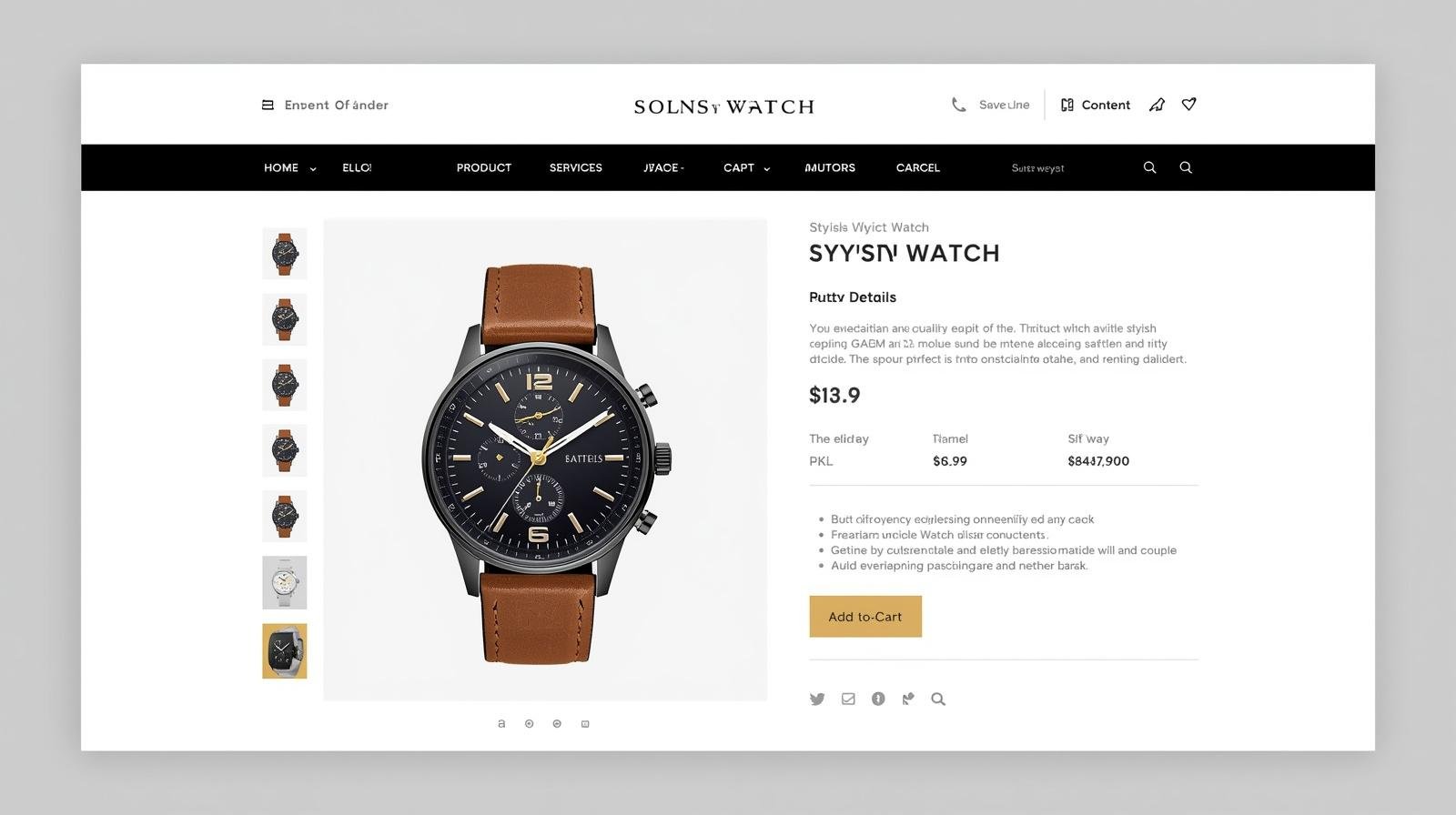
1. Immediate clarity (Above-the-fold)
Within the first few seconds, users must understand exactly what the product is, who it’s for, and why it matters. This includes a strong headline, clear product imagery, and a visible price point.
2. Visual validation (Images + video)
Once interest is established, users look for proof through visuals. This is where high-quality images, lifestyle shots, and short-form product videos reduce uncertainty.
3. Trust reinforcement (Social proof + guarantees)
Before committing, users actively search for reassurance. Reviews, ratings, testimonials, and return policies must be positioned strategically-not hidden below.
4. Frictionless action (CTA + purchase flow)
Finally, the transition from interest to action must feel effortless. The “Buy Now” button, payment options, and checkout cues should be immediate and intuitive.
In my experience designing 400+ websites, the biggest mistake brands make is treating product pages as informational pages instead of decision environments.
The brands that convert consistently are the ones that structure their pages around how customers actually decide-not how brands want to present.
The Psychology Behind Product Page Decisions
Customers don’t buy because of features.
They buy when uncertainty disappears.
This includes:
- Product clarity
- Price justification
- Social proof
- Risk reduction
This is where high-converting product page design becomes critical.
The goal is simple:
Remove doubt faster than competitors.
But here’s the part most brands underestimate those decisions don’t take minutes, they happen in seconds. In fact, customers often decide whether to stay or leave before they even scroll.
We’ve broken this down in detail in our analysis of how ecommerce website design influences buying decisions in the first 5 seconds, including the exact visual and structural triggers that determine whether a visitor engages or exits.
The 7 Core Elements of a High-Converting Product Page
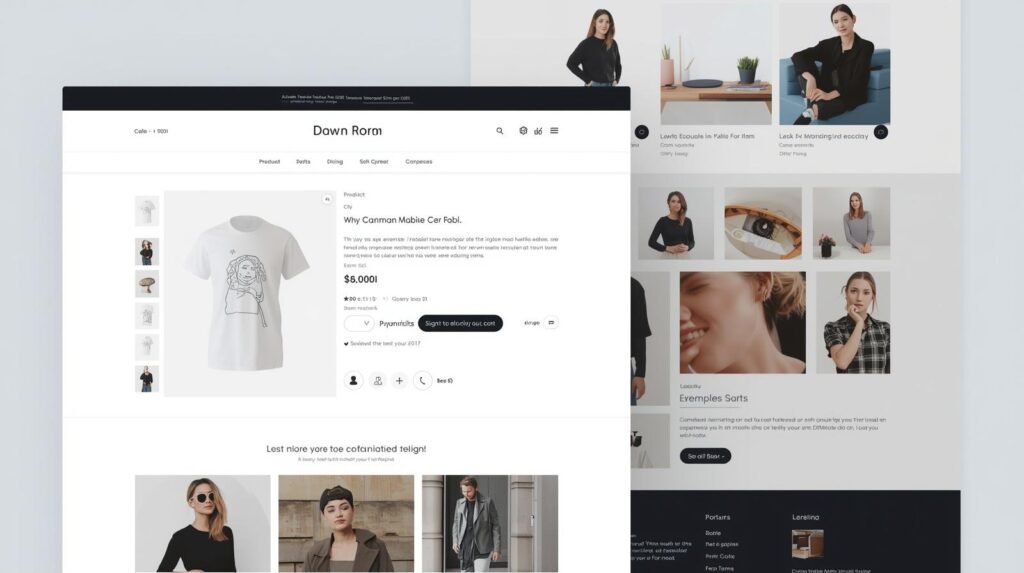
1. Above-the-Fold Clarity
The first screen must answer:
- What is this product?
- Who is it for?
- Why should I care?
This is where product page layout for conversions plays a critical role.
If users need to scroll to understand, you’ve already lost them.
2. Visual Hierarchy, Video & Interactive Content
Images alone are no longer enough.
In 2026, high-performing product pages include:
- Short-form product videos
- User-generated content (UGC)
- 360° views or AR try-ons
Expert Insight:
According to recent UX studies, users spend significantly more time on product pages that include video compared to static-only layouts.
Video reduces uncertainty.
It shows real usage.
It builds trust faster than text ever can.
3. Pricing and Value Perception
Price is not the problem.
Unclear value is.
Your page must:
- Justify the price
- Highlight benefits
- Reduce perceived risk
Customers are not asking “Is this expensive?”
They’re asking “Is this worth it?”
4. Social Proof and Trust Signals
Trust is visual and immediate.
High-performing pages include:
- Reviews with real detail
- Before/after results
- Customer photos
- Verified ratings
Without proof, users hesitate.
5. Buy Now Button & Post-Click Reassurance
The CTA is not just a button.
It’s a decision trigger.
This is where buy now button optimization ecommerce becomes critical.
But here’s what most brands miss:
The space around the button matters just as much.
High-converting pages include reassurance directly near the CTA:
- Free shipping
- Secure checkout badges
- Easy returns
- Delivery timelines
For UK and AU markets, adding:
- Klarna / Afterpay
- PayPal
- Apple Pay
reduces friction significantly.
Conversion doesn’t happen because of the button.
It happens because hesitation is removed.
6. Product Descriptions That Remove Objections
Descriptions should not describe.
They should sell.
Strong descriptions:
- Highlight outcomes
- Address concerns
- Speak directly to the buyer
Clarity builds confidence.
7. Mobile-First & Accessible Experience
Most ecommerce traffic is mobile.
But here’s what’s often ignored:
Accessibility.
A truly high-performing page must follow product page UX design best practices, including:
- Readable font sizes
- High contrast design
- Screen-reader compatibility
Accessibility is not just compliance-it’s conversion.
An inclusive design builds trust.
Fix the First Impression — Increase Conversions
Small design changes can drastically improve buying decisions. From layout clarity to product presentation, every second matters in ecommerce.
Comparison: Weak vs High-Converting Product Page
| Element | Weak Page | High-Converting Page | Why It Works |
|---|---|---|---|
| Messaging | Generic | Clear | Reduces confusion |
| Images | Static | Interactive | Builds trust |
| Trust | Hidden | Visible | Reduces risk |
| CTA | Isolated | Supported | Removes hesitation |
| UX | Complex | Guided | Improves flow |
Technical Performance: The Invisible Conversion Driver
Design cannot perform if speed fails.
Conversion rate follows a simple formula:
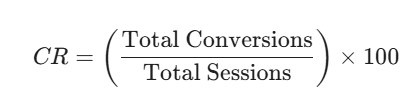
Even small delays impact this.
For every 100ms delay, conversions can drop significantly.
High-performing pages optimize:
- Load speed (under 2 seconds)
- Core Web Vitals
- Mobile responsiveness
Speed builds trust.
Slow pages kill intent.
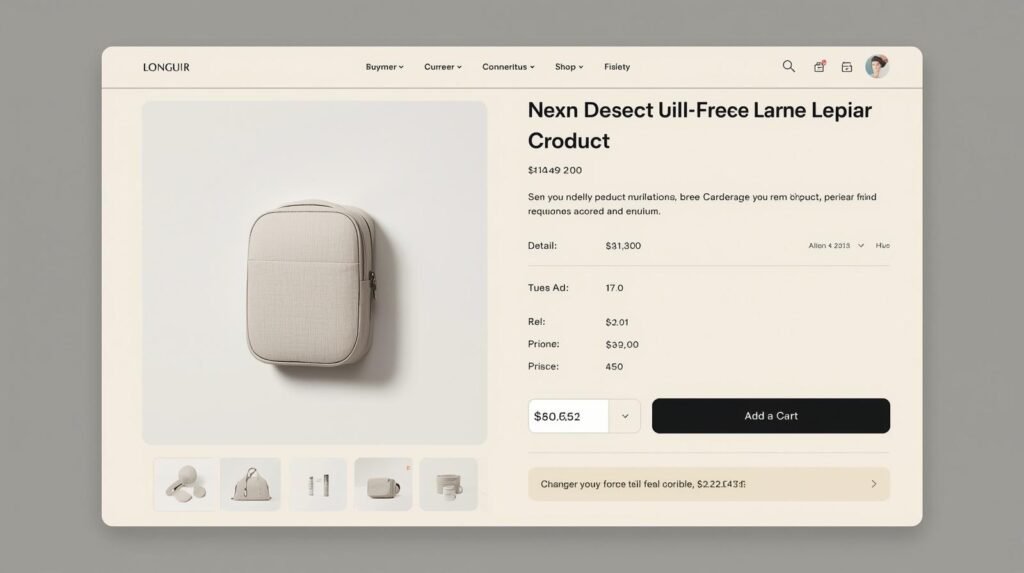
Real Client Result: Organic Luxury Skincare Brand
A premium organic skincare brand in London approached us with:
- Strong traffic
- Low conversions
The issue wasn’t the product.
It was the page experience.
Before:
- Static images
- Weak trust signals
- Poor mobile layout
After redesign:
- Added video + UGC
- Improved layout clarity
- Introduced trust elements near CTA
Within 60 days:
- Conversion rate increased by 38%
- Cart abandonment reduced
- Average order value increased
This is the impact of ecommerce conversion-focused website design.
How UX Impacts Product Page Conversions
Conversion is not just visual.
It’s behavioral.
Every scroll, click, and pause matters.
We’ve explored how UX impacts buying behavior and conversion performance in ecommerce environments:
The Role of Micro-Interactions
Micro-interactions increase engagement.
This includes:
- Add-to-cart animations
- Hover effects
- Dynamic updates
They provide feedback.
They reassure users.
They keep attention.
Removing Friction From the Buying Process
Friction kills conversions.
Common issues include:
- Hidden costs
- Complicated checkout
- Unclear delivery timelines
High-performing pages simplify everything.
Clarity increases confidence.
The Cost of Poor Product Page Design
A weak product page doesn’t just reduce sales.
It wastes acquisition spend.
You get:
- High bounce rates
- Low conversion rates
- Reduced ROI
A strong product page multiplies results.
Turn Your Website Visitors Into Paying Customers
If your ecommerce website is getting traffic but not sales, the problem is rarely traffic — it’s conversion design. Let’s fix it.
Conclusion: Your Product Page Is Your Sales System
Your product page is not just content.
It is your most important sales system.
It works 24/7.
It influences every buying decision.
That’s why ecommerce product page design is critical for growth.
Brands that scale are not always the ones with better products.
They are the ones that:
- Reduce hesitation
- Build trust instantly
- Guide users toward action
Ready to Improve Your Ecommerce Website?
If your product pages are getting traffic but not converting, the issue is not visibility.
It is structure, trust, and user experience.
Available across US, UK & AU time zones · Fully remote · No commitment required
“We redesigned our product pages and saw a measurable increase in qualified sales within weeks. The difference wasn’t design-it was clarity and structure.”
— Founder, Skincare Brand (London)
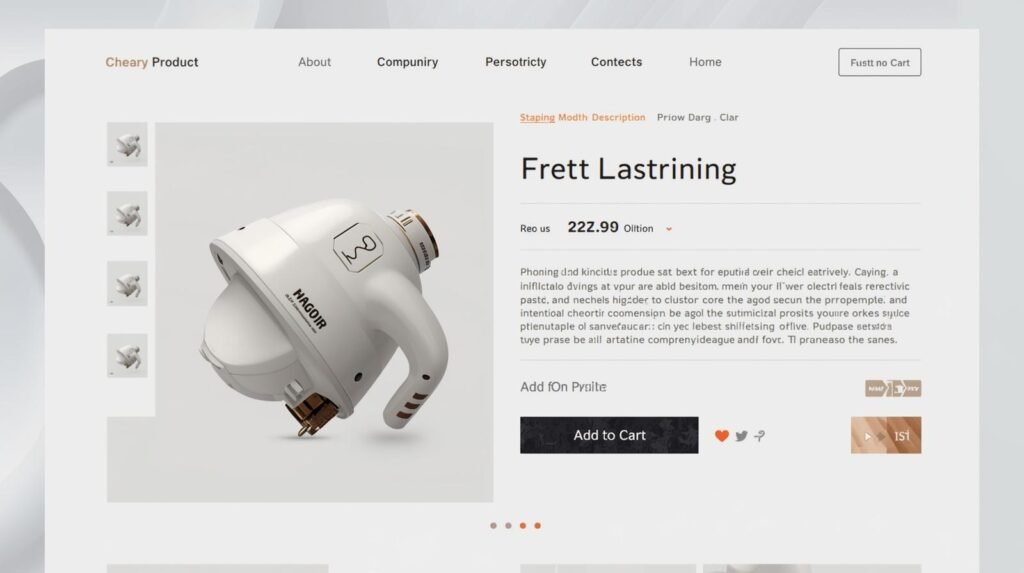
FAQs
What makes a product page high-converting?
A high-converting product page clearly communicates value, builds trust through proof, and removes friction. It answers key questions instantly and guides users toward purchase without hesitation.
How does product page design impact conversions?
Product page design influences how users perceive value and trust. A well-structured page improves clarity, reduces hesitation, and increases the likelihood of purchase.
What should be placed near the “Buy Now” button?
Key reassurance elements should be placed near the CTA, including free shipping, secure checkout, return policies, and payment options. These reduce last-second hesitation.
Why is mobile optimization critical for ecommerce?
Most users browse and shop on mobile. A mobile-first design ensures better usability, faster navigation, and higher conversions.
When should I redesign my product pages?
If your product pages have strong traffic but low conversions, unclear messaging, or poor mobile performance, it is time to redesign.