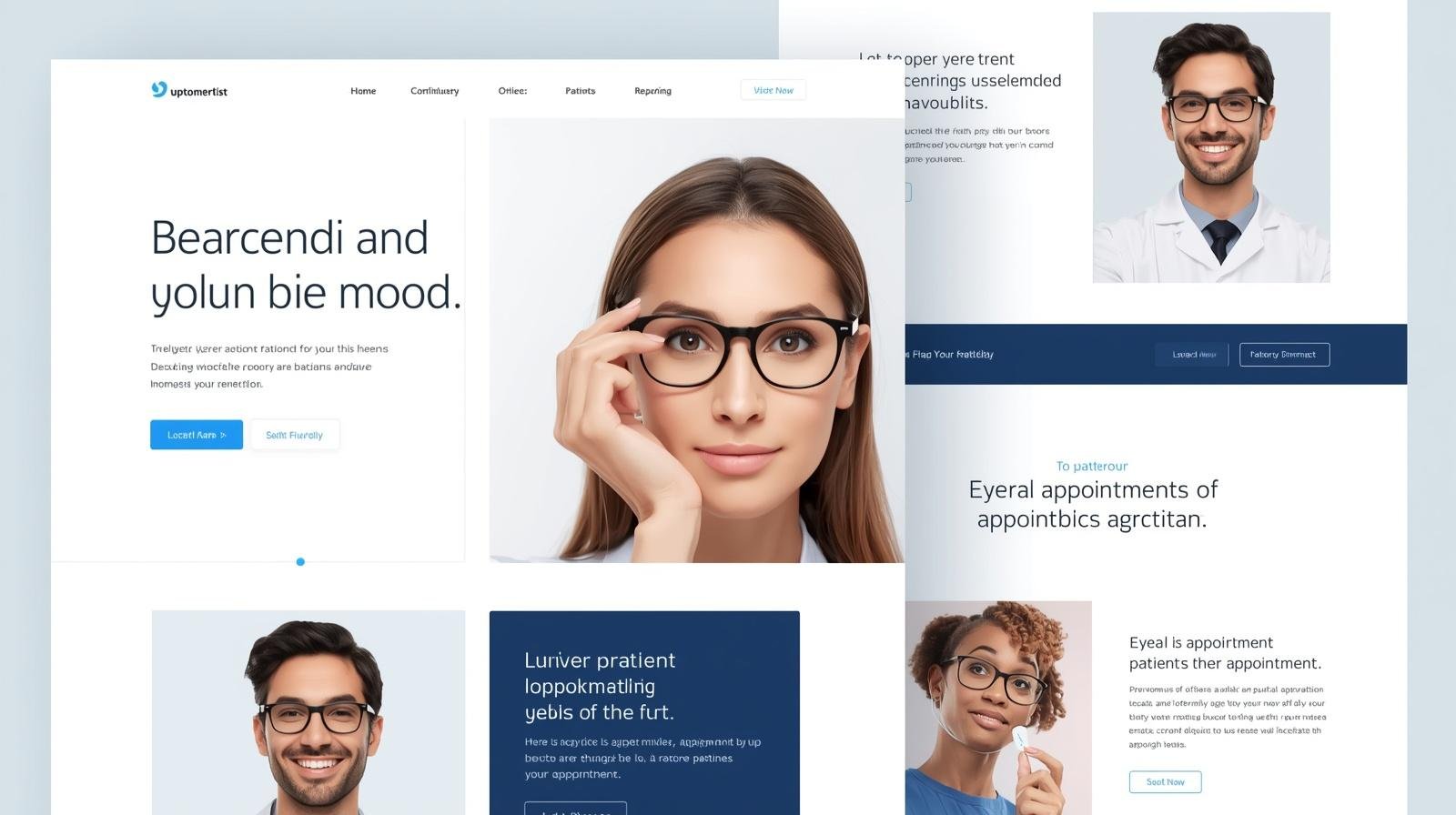

Key Takeaways
- Hiring the right expert for optometrist website design services can directly increase patient bookings and clinic growth.
- Your website must be HIPAA-compliant, ADA-accessible (WCAG 2.1), and optimized for local SEO to perform effectively.
- A professional optometrist website designer focuses on conversion, not just visuals.
- Modern websites integrate AI booking tools, virtual try-on features, and patient-friendly UX.
- Avoid DIY platforms for long-term growth — they often limit scalability and performance.
- A strong website acts as a lead generation system, not just an online presence.
Introduction
If you’re running an eye clinic, your website is no longer optional — it’s your primary patient acquisition system.
Patients today search online, compare clinics, and decide who to trust within seconds.
This is why more clinics are choosing to hire optometrist website designer professionals who understand healthcare, conversions, and patient behavior.
However, not all designers are the same.
Hiring the wrong one can result in:
- poor patient experience
- low conversions
- compliance risks
- wasted investment
This guide will help you understand exactly what to look for — so your website becomes a revenue-generating asset, not just a digital brochure.
The Hidden Cost of a Poor Optometry Website
Many clinics underestimate how much revenue they lose due to poor website performance.
A weak website can lead to:
- missed patient bookings
- reduced trust
- poor mobile experience
- lower search visibility
Even if your services are excellent, your website can silently drive patients away.
Website Design Statistics Every Eye Clinic Should Know
- 75% of users judge credibility based on website design (Stanford Research)
- 88% of users don’t return after a poor website experience
- Over 70% of healthcare searches happen on mobile devices
This means your website directly influences patient decisions.
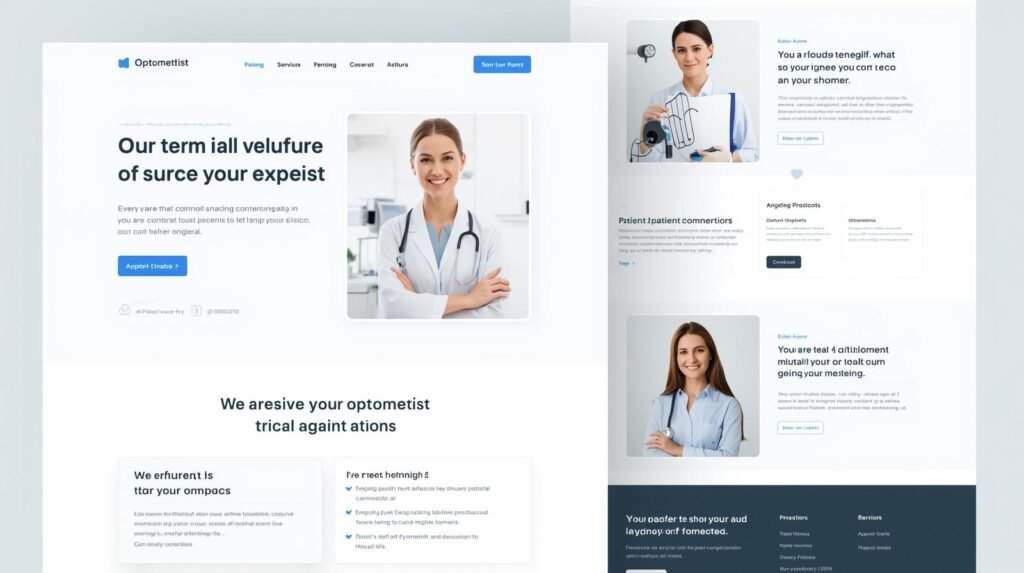
2026 Tech Integrations Every Modern Optometry Website Needs
Modern eye clinic websites are no longer static — they are powered by advanced tools that improve patient experience and conversions.
When you hire an expert, ensure your website can support:
- AI-powered appointment triaging tools to route patients based on urgency
- Virtual try-on features for frames to improve engagement and sales
- HIPAA-compliant patient portals for secure data handling
- Online prescription and ocular imaging access systems
- CRM integrations for managing patient inquiries
A modern optometry website design services approach focuses on combining design with technology to improve outcomes.
DIY Website Builders vs Professional Optometrist Website Design
| DIY Platforms (Wix / Squarespace) | Specialist Custom Design |
|---|---|
| Limited customization | Fully custom optometrist website design |
| Basic templates | Conversion-focused layout |
| Weak SEO capabilities | Local SEO + schema optimized |
| No healthcare compliance | HIPAA + ADA compliance ready |
| Limited scalability | Built for growth |
| Generic UX | Patient-focused experience |
This is why serious clinics prefer working with an optometrist website designer for hire rather than relying on DIY solutions.
9 Things to Check Before You Hire an Optometrist Website Designer
1. Healthcare Compliance Knowledge (HIPAA & ADA)
Your website must comply with:
- HIPAA regulations (for patient data protection)
- ADA accessibility standards (WCAG 2.1)
This ensures your website is safe, inclusive, and legally compliant.
2. Experience in Optometry & Healthcare Websites
Healthcare design is different from generic websites.
A professional optometrist website designer understands:
- patient psychology
- trust-building elements
- compliance requirements
3. Conversion-Focused Design Strategy
Your website must follow a conversion-focused layout.
This includes:
- clear CTAs
- simplified booking process
- structured user journey
4. Local SEO & Schema Optimization
Your website should be optimized for local search.
Look for:
- local SEO schema for clinics
- Google Business integration
- location-based optimization
This helps patients find your clinic easily.
5. Mobile-First Design Approach
More than 70% of users visit on mobile.
Your website must:
- load fast
- be easy to navigate
- support mobile booking
6. Integration of Modern Tools
A strong website includes:
- online booking systems
- AI triage tools
- CRM integrations
These improve efficiency and conversions.
7. Strong Portfolio of Eye Clinic Websites
Always check past work.
Look for:
- patient-friendly websites
- clean design
- trust elements
8. Custom Design (Not Templates)
Templates limit growth.
A custom optometrist website design helps:
- differentiate your clinic
- improve credibility
- increase conversions
9. Ongoing Support & Scalability
Your website should grow with your clinic.
Ensure your designer offers:
- updates
- maintenance
- scalability
Designer’s Pro Tip
Never place your “Book Appointment” button inside sliders or banners.
On mobile devices, this can reduce conversions significantly because users often skip sliders. Keep your primary CTA always visible.
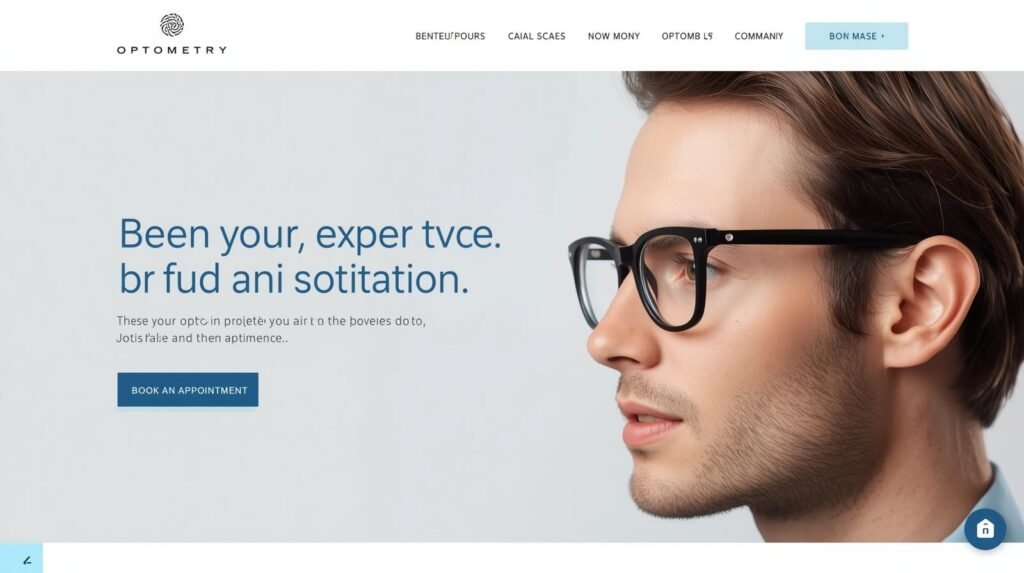
Real Example: How Better Design Increased Bookings
An optometry clinic improved its website by:
- simplifying navigation
- improving mobile experience
- making booking more visible
Within a few months, they saw a noticeable increase in patient appointments.
This highlights how choosing the right hire eye clinic website designer strategy impacts results.
How an Optometry Website Converts Visitors into Patients
A high-performing website follows a structured journey:
Traffic → Homepage → Service Understanding → Trust Signals → Appointment Booking
Common Mistakes Clinics Make When Hiring Designers
Many eye clinics make critical mistakes when hiring a website designer, often focusing only on short-term cost instead of long-term results.
One of the most common issues is choosing the cheapest option available. While this may seem cost-effective initially, it often leads to poor design quality, lack of strategy, and limited functionality. These websites typically fail to convert visitors into patients.
Another mistake is hiring a general web designer who has no experience in healthcare. Optometry websites require a deep understanding of patient behavior, trust-building elements, and compliance requirements like HIPAA and ADA accessibility. Without this expertise, the website may look acceptable but perform poorly.
Many clinics also rely on generic templates instead of investing in custom optometrist website design. Templates often lack flexibility, brand differentiation, and conversion-focused structure, making it harder for clinics to stand out in a competitive market.
Ignoring mobile optimization is another major issue. Since most patients browse on their phones, a website that is not mobile-friendly can significantly reduce appointment bookings.
Finally, clinics often overlook the importance of strategy. A website should not just exist — it should guide users, build trust, and encourage action. Without a clear conversion strategy, even a visually appealing website will fail to generate results.
Avoiding these mistakes is essential if you want your website to become a reliable source of patient inquiries and long-term growth.
Many clinics focus only on cost.
This leads to:
- hiring cheap designers
- using templates
- ignoring strategy
A well-optimized user experience directly impacts appointment conversions — learn how in this detailed guide on increasing patient bookings through website UX for optometrists.
Looking to Improve Your Optometry Clinic Website?
For modern eye clinics, a well-designed website is more than just an online presence — it helps attract new patients, showcase services, and simplify appointment bookings.
If you’re planning to upgrade your clinic website or build one from scratch, explore our Health and Wellness Website Design Services to see how we help eye clinics create professional, patient-friendly websites.
Why Industry-Specific Design Matters
Optometry is a trust-driven healthcare service, and your website needs to reflect that from the very first interaction. A generic website design cannot effectively communicate medical expertise, patient care standards, or the credibility required for healthcare decisions.
Industry-specific design ensures that your website is built around how patients actually think and behave. It focuses on:
- clear service explanations (eye exams, lenses, treatments)
- trust-building elements like doctor credentials and reviews
- easy appointment booking experience
- compliance with healthcare standards such as HIPAA and ADA accessibility (WCAG 2.1)
A secure booking system is not just a feature — it directly impacts patient trust and compliance. Learn how in this guide on HIPAA-compliant patient booking for eye clinics.
It also supports better visibility through local SEO optimization for clinics, helping nearby patients find your services more easily.
Most importantly, a specialized approach results in patient-friendly websites that reduce confusion, build confidence, and increase appointment bookings.
This is why clinics investing in optometry website design services consistently see better engagement, stronger trust, and higher conversion rates compared to generic website solutions.
Generic websites fail to communicate expertise.
Eye clinics require patient-friendly websites that build trust and guide users.
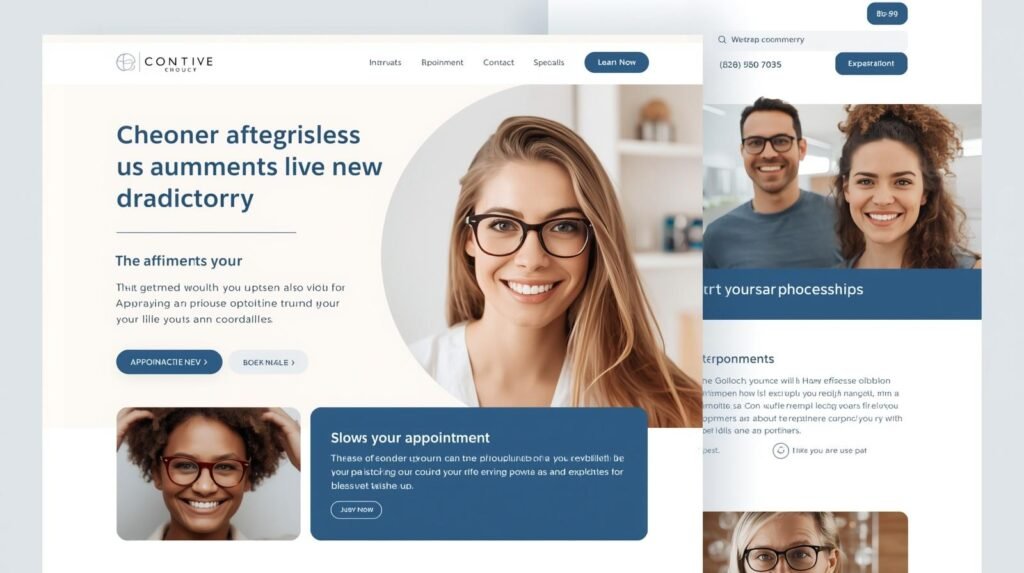
What Hiring an Optometrist Website Designer Is ‘NOT’
This is not about:
- generic templates
- visually attractive but ineffective design
- basic website setup
This is about building a conversion-focused system that drives patient bookings.
Final Thoughts
Hiring the right designer is one of the most important decisions for your clinic.
A strong website builds trust, improves patient experience, and increases bookings.
If you’re ready to hire optometrist website designer professionals who understand healthcare, conversions, and technology — now is the time to take action.
Frequently Asked Questions
How much does it cost to hire an optometrist website designer?
Costs depend on features, integrations, and customization.
Why is HIPAA compliance important?
It ensures patient data is protected and your clinic meets legal requirements.
What features should an optometry website include?
Booking systems, mobile optimization, SEO, and patient-focused design.
Should I use DIY website builders?
They are suitable for basic needs, but not for long-term growth and conversions.
Need a Professional Website for Your Optometry Practice?
Your website is often the first impression patients have of your clinic. A well-designed optometrist website can improve patient trust, simplify appointment booking, and help your clinic rank better in search engines.
Explore our specialized services for eye clinics and vision care professionals.
Our Eye Clinic Website Services
• Optometrist Website Design
• Eye Clinic Website Design
• Vision Care Website Design
Request a Website Consultation →
Kanika Gupta is a freelance web designer specializing in ecommerce websites, optometrist websites, and corporate websites for businesses worldwide.