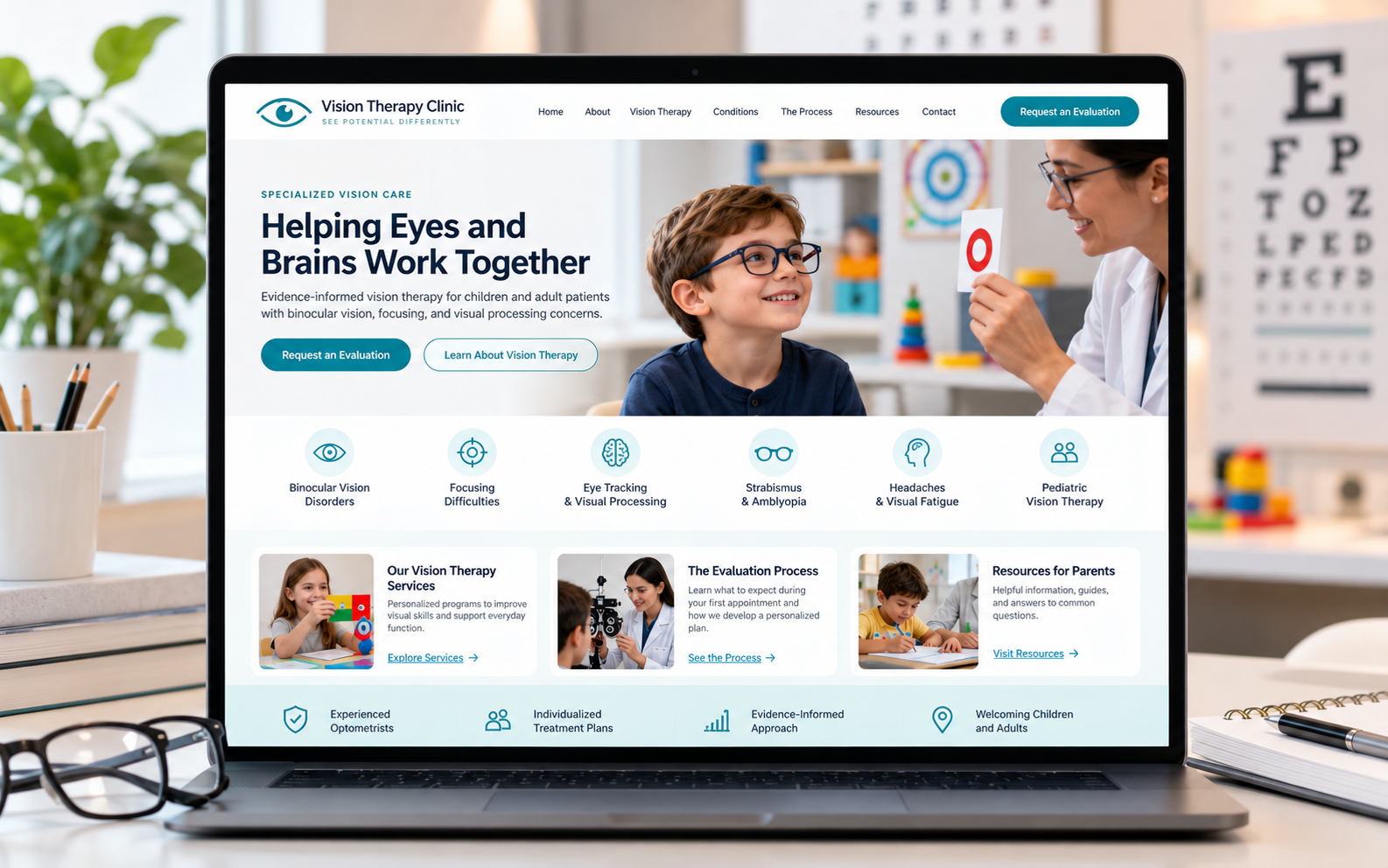
Key Takeaways (Quick Summary)
- Most eye clinic websites fail because they don’t guide patients to take action
- Conversion-focused design turns visitors into booked appointments
- Patient psychology, trust signals, and booking UX directly impact results
- Overseas markets demand speed, compliance, and seamless experiences
- Small UX and copy changes can increase bookings by 30–40%
- A high-performing website reduces Patient Acquisition Cost (PAC)
Most Eye Clinic Websites Look Professional – But Fail to Generate Patient Bookings
Most clinic owners assume their website is “fine” because it looks modern.
But here’s the reality:
A good-looking website is not the same as a high-performing one.
Patients visit your site, scroll briefly, and leave without booking.
Not because they’re not interested but because your website doesn’t guide them.
In competitive markets like the US, UK, and Australia, patients decide within seconds.
This is where conversion-focused website design for eye clinics becomes critical.
It transforms your website into a system that drives real patient bookings not just visits.
What Is Conversion-Focused Website Design for Eye Clinics?
Conversion-focused design is built around Patient Journey Mapping guiding a visitor step-by-step from discovery to booking.
Instead of simply presenting information, it focuses on:
- Clarity
- Trust
- Ease of action
This approach often called eye clinic website conversion optimization ensures every page has a purpose.
Not just to inform but to convert.
Why Traditional Optometry Websites Fail to Convert Patients
Most eye clinics don’t struggle with visibility – they struggle with conversion.
They invest in SEO, Google Ads, or local listings, and traffic does come in. But that traffic doesn’t turn into bookings.
That’s where the real problem lies.
In my experience designing healthcare websites, the issue is rarely about how a website looks. It’s about how it works.
Most traditional optometry websites are built like brochures, not conversion systems.
They focus on:
- Listing services
- Sharing basic clinic information
- Displaying contact details
But they completely ignore how patients actually make decisions online.
1. They Are Built Around the Clinic – Not the Patient
Most websites talk about:
❌ “We offer comprehensive eye care services”
❌ “We use advanced technology”
But patients don’t care about features first.
They care about outcomes.
They’re thinking:
- “Can you fix my blurry vision?”
- “Can I trust this clinic?”
- “How quickly can I get an appointment?”
When your website doesn’t answer these questions immediately, users lose interest.
2. There Is No Clear Patient Journey
A high-performing website guides users step-by-step.
Traditional websites don’t.
Patients land on the homepage and face:
- Too many options
- No clear direction
- No obvious next step
This creates confusion.
Confusion leads to inaction.
A visitor who doesn’t know what to do will simply leave.
3. Weak or Invisible Call-to-Actions (CTAs)
Many clinic websites still use vague CTAs like:
- “Contact Us”
- “Learn More”
These don’t motivate action.
High-converting websites use action-driven CTAs:
“Book Your Eye Exam”
“Check Available Appointment Times”
The difference is subtle but powerful.

Struggling to Get More Eye Patients Online?
Your clinic deserves a website that builds trust, showcases your expertise, and converts visitors into booked appointments — not just another generic design.
4. Poor Mobile Experience (Where Most Patients Come From)
In the US, UK, and Australia, the majority of healthcare searches happen on mobile devices.
Yet many clinic websites:
- Load slowly
- Have small buttons
- Require too much scrolling
This creates friction at the worst possible moment.
If booking isn’t effortless on mobile, patients won’t complete the process.
5. Lack of Trust Signals at Critical Moments
Patients don’t book appointments impulsively.
They look for reassurance.
But most websites hide trust signals like:
- Reviews
- Certifications
- Patient testimonials
Often buried in footers or separate pages.
High-converting websites place these elements strategically:
- Near CTAs
- On service pages
- Above booking forms
Because trust is what drives action.
6. Overcomplicated Booking Experience
This is one of the biggest conversion killers.
Many clinic websites require:
- Long forms
- Multiple steps
- Too much information upfront
Every extra step increases drop-offs.
In contrast, optimized websites reduce friction by:
- Minimizing fields
- Offering quick booking options
- Showing availability instantly
7. No Alignment With Modern Patient Behavior
Today’s patients behave differently than they did even five years ago.
They expect:
- Instant answers
- Fast loading pages
- Seamless booking
If your website doesn’t meet these expectations
They won’t adapt you’ll lose them.
The Bottom Line
Traditional optometry websites fail not because they are outdated visually but because they are outdated strategically.
They don’t reflect how patients think, search, and decide.
And that’s why they don’t convert.
A conversion-focused approach fixes this by aligning your website with real patient behavior turning visitors into booked appointments consistently.
For more information check our guide on What Clinics Should Expect to Increase Patient Bookings.
What High-Converting Eye Clinic Websites Do Differently
High-performing clinics don’t rely on guesswork.
They use structured design systems that:
- Guide user behavior
- Reduce friction
- Build trust early
A vision clinic website design that converts focuses on simplicity and clarity.
The goal is not to impress it’s to convert.
The Anatomy of a High-Performing Vision Care Page
| Feature | Standard Website | Conversion-Focused Website |
|---|---|---|
| Load Speed | 4.5+ seconds | Under 2.0 seconds |
| Goal | Informational | Appointment booking |
| Mobile UX | Basic | Thumb-optimized |
| Trust Signals | Hidden | Above-the-fold |
| CTA | Generic | Action-driven |
ADA Accessibility Matters
For eye clinics, accessibility is essential.
Patients with visual impairments must be able to navigate your website easily.
Accessibility is not just compliance it’s patient care.
How to Write Patient-Centred Copy for Eye Clinic Websites
Most clinic websites talk about themselves.
Example:
❌ “We provide advanced eye care services.”
But patients think differently.
They ask:
“Can this clinic help me?”
Here’s the shift:
| Clinic-Centric | Patient-Centric |
|---|---|
| We offer eye exams | See clearly again – book your eye exam today |
| Advanced technology | Accurate diagnosis you can trust |
| Experienced team | Trusted by 500+ local patients |
For US/UK/AU markets, clarity wins over complexity.
Patient-focused copy improves trust and conversions instantly.
And if you want to go deeper into what actually drives bookings, this guide on how optometrist websites improve patient appointment conversions breaks down the exact strategies that turn visitors into patients. It explains how elements like clear navigation, trust-building design, and simple booking systems work together to increase conversions. In fact, high-performing clinic websites focus on reducing friction and making it easy for patients to book within seconds because even small improvements in user experience can significantly increase appointment rates.
Booking Flow Optimisation: The 5-Step Patient Journey
High-converting websites follow a structured journey:
1. Awareness
Patient finds you via Google (e.g., “eye exam near me”)
2. Trust
Homepage builds credibility with reviews, credentials
3. Intent
Service pages answer questions clearly
4. Action
Clear CTA: “Book Appointment” or “See Available Times”
5. Confirmation
Instant confirmation email + reassurance
Most clinics fail at steps 3–4.
This is where bookings are lost.
Conversion-Focused Website Design for Eye Clinics: Key Elements That Increase Bookings
Homepage Trust
Clear messaging within seconds
Booking UX
Simple, frictionless forms
Service Pages
Patient-focused, outcome-driven
Mobile Design
Fast and easy to navigate
Trust Signals
Reviews, credentials, real images
Custom Websites for Optometrists & Eye Clinics
From appointment booking to patient-friendly UX and mobile optimization — I design websites specifically for eye care professionals to increase visibility and patient enquiries.
The Psychology of a Patient: Why Visitors Don’t Book
Patients don’t behave like shoppers.
They are cautious.
They follow:
Trust → Clarity → Action
Most users scan in an F-pattern, looking for:
- Headlines
- Subheadings
- Social proof
They want reassurance before committing.
This is why Micro-Conversions (like clicking “Check Availability”) matter.
Real Result: US Clinic Case Study
A US-based optometry clinic had:
- High traffic
- Low bookings
We changed:
CTA from “Contact Us” → “See Available Times”
Result:
- 40% increase in bookings
- Lower bounce rate
Second Case Study: Australian Clinic
A Melbourne-based vision clinic reduced their booking form:
- From 9 fields → 4 fields
Result:
33% increase in completed bookings within 30 days
Simpler UX = more conversions
Pricing Guide: What Does Eye Clinic Website Design Cost in 2026?
This is the most common question for overseas clinics.
Here’s a realistic breakdown:
- $1,500 – $3,000 → Template-based
- $4,000 – $9,000 → Professional custom
- $9,000 – $18,000 → Conversion-focused systems
The difference is not cost it’s results.
A higher-performing website generates more bookings and reduces marketing waste.
To understand how website structure directly influences patient bookings, it’s worth exploring how modern clinics are improving performance through design. This detailed guide on optometry website design trends that drive more patient bookings breaks down the exact strategies high-performing vision clinics use to increase appointments and reduce drop-offs.
EHR & Booking Software Integrations for US and UK Clinics
Modern websites must integrate with systems like:
- Eyefinity
- RevolutionEHR
- MaximEyes
- Optix
These integrations allow:
- Real-time booking
- Patient data sync
- Automated workflows
This is what separates specialists from generic designers.
Local SEO for Eye Clinics in the US, UK, and Australia
Local SEO drives patient acquisition.
Examples:
- “Optometrist in Manchester”
- “Eye exam Chicago Loop”
- “Sydney CBD eye clinic”
Key elements:
- Google Business Profile optimization
- NAP consistency
- Local schema markup
- Review strategy
Local SEO + design = more bookings
What to Expect When Working With an Overseas Designer
Many clinics worry about working remotely.
Here’s how it works:
- Discovery call
- Wireframes
- Design approval
- Development
- Compliance checks
- Launch
Tools used:
- Slack
- Zoom
- Loom
Timeline:
Typically 4–6 weeks
Ready to Turn Your Website Into a Patient-Generating System?
👉 Get actionable insights to improve your bookings.
Book a Free 20-Minute Strategy Call →Eye Clinic Website Design Mistakes That Cost You Patients
Common mistakes:
- No above-the-fold CTA
- Too many booking form fields
- Generic stock images
- No reviews displayed
- Poor mobile UX
Fix: simplify, clarify, and build trust.
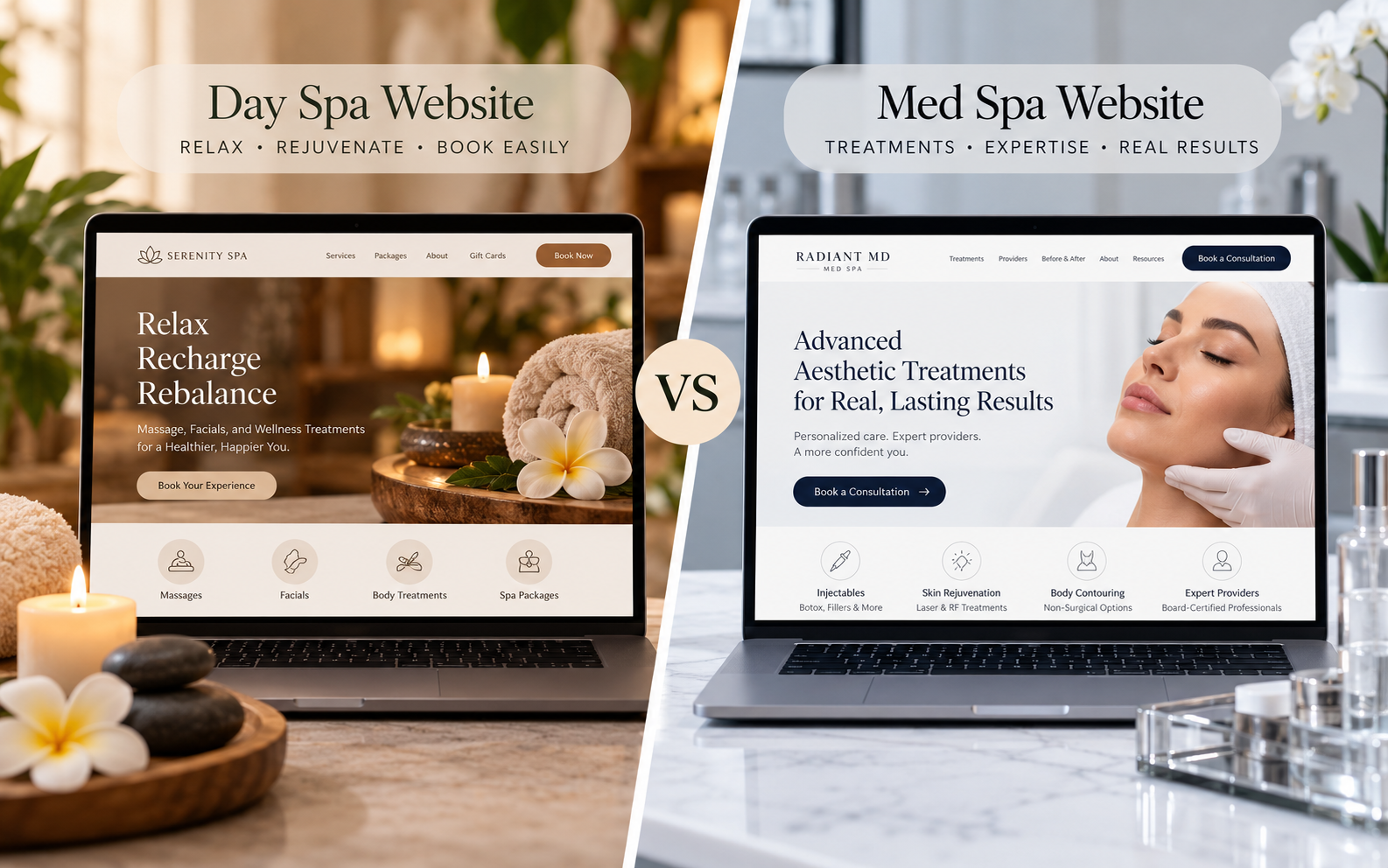
Industry-Specific Design Is Critical for Eye Clinics
Verdict: Generic websites don’t work for healthcare. Eye clinics need a design strategy built around patient behavior, medical trust, and local search intent.
One of the biggest mistakes clinic owners make is hiring a general web designer who applies the same structure used for restaurants, ecommerce stores, or corporate websites.
Healthcare doesn’t work like that.
An eye clinic website must address very specific concerns:
- Patients are often anxious about their vision
- They need reassurance before taking action
- They are searching with urgency (“eye pain,” “blurred vision,” “emergency eye exam”)
- They compare multiple clinics before booking
If your website doesn’t reflect this behavior, it won’t convert no matter how “modern” it looks.
Why Generic Website Design Fails for Eye Clinics
Generic websites typically:
- Focus on visuals instead of patient intent
- Use vague messaging instead of clear outcomes
- Lack structured booking flows
- Ignore compliance and accessibility
The result: traffic without conversions.
A clinic website is not just about information it’s about decision-making support.
What Industry-Specific Design Does Differently
A specialized approach to professional website design for eye care clinics focuses on how patients actually think and act.
This includes:
1. Patient-Centric Messaging
Instead of listing services, it addresses problems:
- “Struggling with dry eyes?”
- “Need an eye exam this week?”
This immediately connects with the user.
2. Service Pages Built Around Real Conditions
Patients don’t search for “services.”
They search for:
- Myopia management
- Dry eye treatment
- Contact lens fitting
- Emergency eye care
A well-structured website aligns with these searches and improves both SEO and conversions.
3. Local SEO Integration for Patient Acquisition
For clinics in the US, UK, and Australia, local visibility is everything.
An optimized website supports searches like:
- “Optometrist near me”
- “Eye clinic in Manchester”
- “Eye exam Sydney CBD”
This is where design meets Local SEO for optometrists.
4. Trust Signals Designed for Healthcare Decisions
Unlike ecommerce, patients don’t buy instantly.
They look for:
- Reviews
- Certifications
- Experience
Industry-specific websites place these strategically:
- Near booking buttons
- On service pages
- Above the fold
Trust drives action.
5. Accessibility (ADA & WCAG Compliance)
For eye clinics, accessibility isn’t optional it’s essential.
Patients may have:
- Low vision
- Sensitivity to contrast
- Difficulty navigating
A properly designed website includes:
- High contrast design
- Clear typography
- Screen-reader compatibility
This improves both usability and compliance.
Why This Matters for Overseas Clinics
Clinics in the US, UK, and Australia operate in highly competitive markets.
Patients expect:
- Fast websites
- Clear information
- Seamless booking
If your website doesn’t meet these expectations:
You lose patients to clinics that do.
This is why many clinic owners are now investing in high-converting medical website design for optometrists instead of generic solutions.
Where to Start
If you’re looking to implement a structured, healthcare-focused approach, explore Healthcare website services.
Looking to Improve Your Optometry Clinic Website?
For modern eye clinics, a well-designed website is more than just an online presence – it helps attract new patients, showcase services, and simplify appointment bookings.
Explore Optometrist Website Design
Frequently Asked Questions
Does a faster website improve rankings?
Yes. Faster websites rank better and convert more.
How does design impact bookings?
Better UX reduces friction and increases trust.
What is the ideal load time?
Under 2 seconds.
Is professional design necessary?
Yes, for competitive markets.
Your Website Should Book Patients – Not Just Inform
Your website is your first impression.
And that impression determines whether patients trust you.
A conversion-focused website doesn’t just look good.
It performs.
Explore More Healthcare Website Design Services
Doctor & Medical Website Design
Professional medical websites for doctors, clinics, and healthcare practices designed to build trust, simplify patient enquiries, and support appointment bookings.
Dental Clinic Website Design
Modern dental clinic websites with treatment pages, online appointment features, location-focused SEO, and a clean design that helps attract more local patients.
Skin Clinic & Aesthetic Website Design
High-converting websites for skin clinics and aesthetic practices that highlight services, showcase expertise, and turn visitors into consultation enquiries.