Quick Answer
The highest-performing consulting firms use strategic messaging, premium UX, intentional friction, and authority-based positioning to filter low-quality leads before discovery calls happen. A strong consulting website design reduces wasted inquiries, improves buyer trust, and attracts premium-fit clients who already understand your value before contacting you.
TL;DR
Most consulting websites fail because:
- the messaging feels generic
- trust signals are weak
- service pages sound interchangeable
- inquiry systems invite everyone
- premium positioning is unclear
High-converting consulting firms use:
- strategic qualification UX
- outcome-driven messaging
- premium brand psychology
- intentional friction
- authority-focused case studies
- buyer-focused service architecture
to improve lead quality before conversations begin.
Key Takeaways
- Better websites create better-fit consulting clients
- Premium buyers evaluate positioning emotionally first
- Intentional friction improves inquiry quality
- Generic messaging attracts generic leads
- Authority-focused UX increases trust faster
- Strategic forms reduce wasted discovery calls
- Case studies should prove transformation, not popularity
- Premium consulting websites should filter, not chase everyone
A founder in New York researching advisory firms is not simply evaluating capabilities anymore.
They are evaluating confidence.
A London-based executive comparing operational consultants wants reassurance before scheduling a strategy session.
A Sydney consulting firm competing for enterprise opportunities cannot rely on polished visuals alone.
They need positioning that filters serious buyers from casual browsers.
That shift has transformed modern consulting website design into a strategic qualification system rather than a digital brochure.
The strongest consulting firms in 2026 understand something most competitors still miss:
The goal is not generating more inquiries.
The goal is generating better ones.
That changes:
- profitability
- sales efficiency
- pricing conversations
- project quality
- conversion rates
- operational alignment
simultaneously.
Pre-qualifying prospects begins long before someone submits your contact form. Many potential clients first evaluate consultants through AI-powered search experiences that summarize expertise before directing users to a website. Our article How Clients Find Consultants Through ChatGPT & AI Search explains how consultant websites can earn that visibility and attract better-qualified prospects from the beginning of the buying journey.
Why Most Consulting Websites Attract the Wrong Clients
Most consulting websites sound professionally safe.
And that is exactly the problem.
When messaging defaults to vague, feature-focused corporate jargon, it creates an immediate emotional disconnect. Premium buyers do not care about broad claims like “innovative solutions” or “tailored services.” They care about whether you understand the operational pressure they are under right now.
That is where most consulting firms lose opportunities.
Their websites:
- sound interchangeable
- position expertise too broadly
- fail to communicate strategic depth
- attract inquiries without budget alignment
- create unnecessary sales friction
This is why consulting website for lead qualification matters financially.
Weak positioning increases:
- poor-fit discovery calls
- pricing objections
- low-conversion inquiries
- longer sales cycles
Strong positioning reduces all of them.
Is Your Consulting Website Attracting the Wrong Leads?
If your website looks polished but still brings low-quality enquiries, the problem is usually structure, clarity, and trust. See how a conversion-focused consultant website design can help you filter better-fit clients before the first call.
Explore Consultant Website Design →Premium Buyers Make Emotional Decisions Before Logical Ones
Enterprise buyers appear analytical externally.
But psychologically, trust still forms emotionally first.
Within seconds, visitors evaluate:
- authority
- professionalism
- operational maturity
- confidence
- expertise
- strategic depth
through design and messaging alone.
That means:
- typography
- spacing
- navigation clarity
- UX structure
- copywriting tone
- visual hierarchy
all influence qualification behavior immediately.
In my experience designing premium B2B websites, consulting firms often lose high-value opportunities because their websites communicate competence but not confidence.
There is a major difference.
Competence says:
“We can help.”
Confidence says:
“We understand your business problem already.”
Premium buyers respond to the second one.
Many firms believe generating more leads requires additional advertising, when the real challenge is earning trust quickly enough for visitors to take action. Our guide What CA Firms Must Include on Their Website to Win Trust in 2026 explains the website elements that reduce uncertainty, answer common buyer questions, and increase confidence before prospects submit an inquiry.
The Hidden Purpose of a High-Converting Consulting Website
Most consulting firms think websites exist to:
- showcase services
- generate traffic
- explain capabilities
But high-performing consulting websites serve a very different purpose.
They strategically shape buyer perception before conversations begin.
That means:
- setting pricing expectations
- filtering low-intent buyers
- establishing authority
- reducing uncertainty
- increasing trust progressively
before a single call happens.
This is where pre-qualify clients through website design becomes strategically valuable.
Strong consulting websites intentionally create:
- clarity
- confidence
- selective positioning
- qualification structure
instead of maximizing inquiry volume.
Because premium consulting firms do not need more leads.
They need better alignment.
The Strategic Friction Framework™: 7 Elements That Improve Consulting Lead Quality
The strongest consulting firms in 2026 use what we call the Strategic Friction Framework™.
Instead of removing all friction, they intentionally design the website experience to:
- qualify seriousness
- increase trust
- filter buyers
- reinforce expertise
- improve alignment
before conversations begin.
Strategic Friction Workflow Visualization
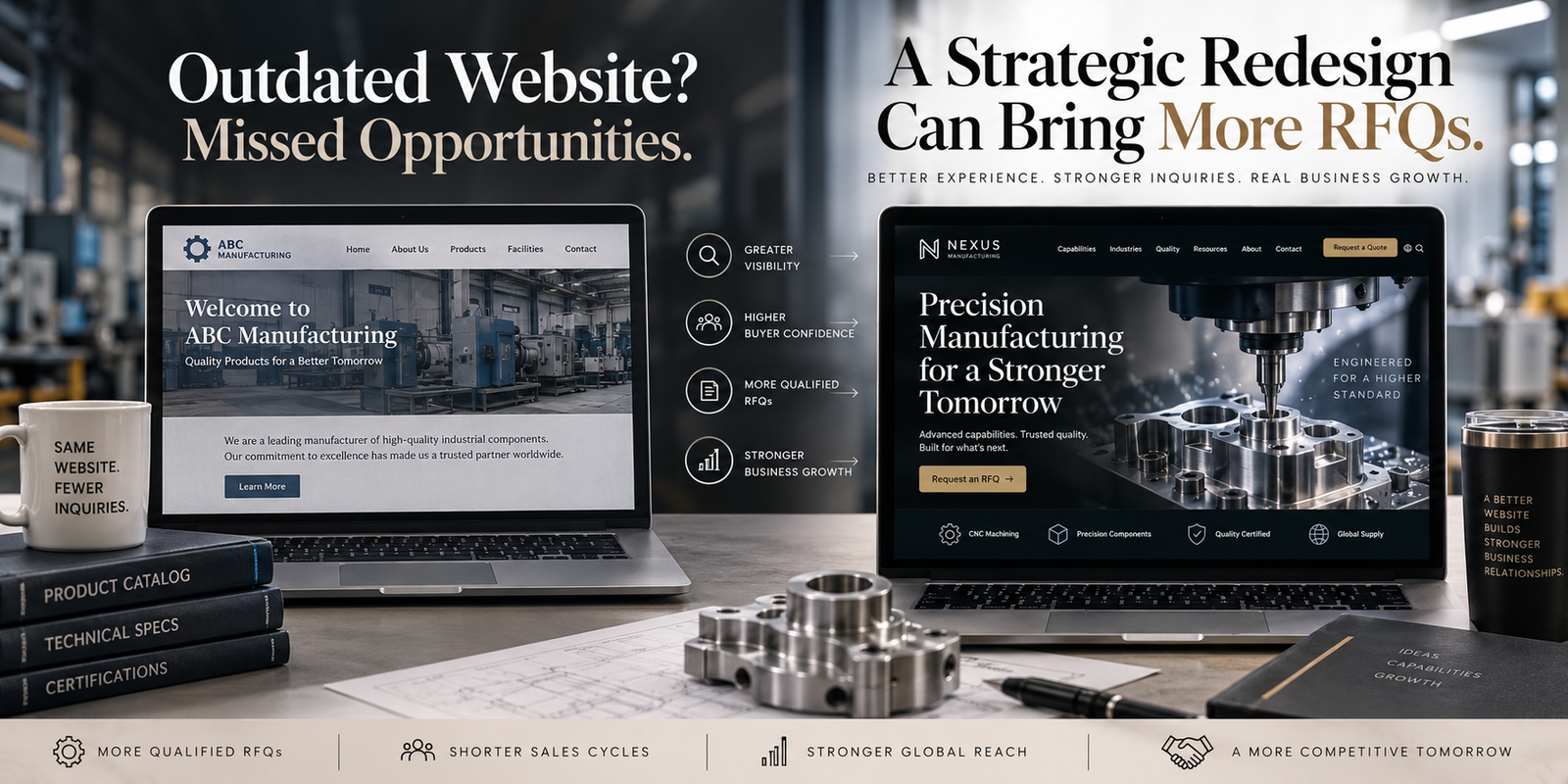
Traditional Consulting Funnel
Traffic → Generic Contact Form → Low-Intent Leads → Unqualified Discovery Calls → Pricing Objections → Poor Conversion Quality
Strategic Friction Framework™ Funnel
Targeted Traffic → Premium Positioning → Buyer Qualification UX → Intent-Based Inquiry Form → Pre-Qualified Consultation → Higher Alignment → Better Conversion Rates
The difference is not traffic volume.
It is buyer quality.
Premium firms optimize for alignment, not inquiry quantity.
1. Precise Market Positioning
Generic positioning attracts generic buyers.
Strong consulting firms communicate:
- niche specialization
- operational relevance
- transformation outcomes
- industry understanding
immediately.
For example:
“We help enterprise SaaS firms reduce internal sales friction through RevOps restructuring.”
Specificity increases authority.
Authority improves lead quality.
Conversely, premium positioning means explicitly stating who you are not for. A simple sub-headline like:
“We do not work with early-stage pre-revenue startups or local retail businesses”
immediately eliminates a large percentage of low-intent inquiries before conversations even begin.
2. Outcome-Focused Messaging
Most consulting websites talk excessively about themselves.
Premium buyers care more about:
- operational efficiency
- scalability
- revenue growth
- decision-making clarity
- implementation outcomes
than company biographies.
This is why high-converting consulting website strategy focuses heavily on transformation rather than company history.
Strong messaging reduces hesitation faster than aggressive selling ever will.
3. Intentional Qualification Friction
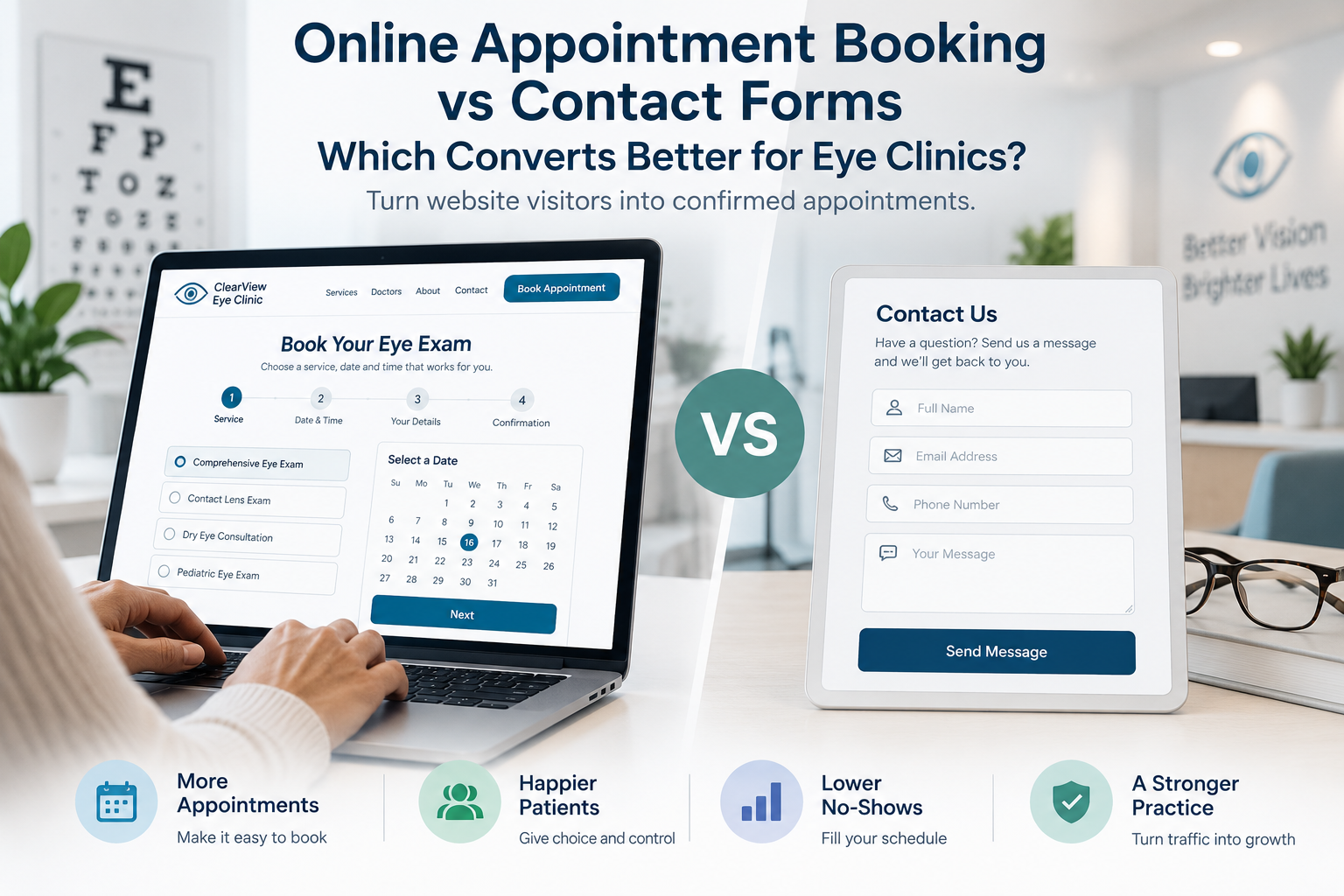
One of the biggest mistakes consulting firms make is using generic inquiry forms.
Premium firms qualify leads strategically before calls happen.
Instead of:
“Tell us about your project.”
high-converting firms use structured multi-step qualification systems.
For example:
Step 1:
What is your primary business bottleneck?
- Enterprise sales velocity
- Team alignment
- Operational inefficiency
- Leadership scaling
- Revenue forecasting
Step 2:
What is your expected implementation timeline?
- Immediate
- 30–60 days
- 3–6 months
- Exploring options
Step 3:
What internal resources are available?
- Dedicated implementation owner
- Executive oversight
- Cross-functional support
- Still evaluating internally
Step 4:
What level of strategic investment are you prepared for?
This type of UX dramatically improves:
- buyer seriousness
- consultation quality
- project alignment
- sales efficiency
while reducing low-budget inquiries significantly.
Note: While this appears to introduce more friction, implementing the flow through a clean single-question-per-screen UI keeps completion rates high among qualified buyers while naturally filtering out low-intent inquiries.
4. Authority-Driven Case Studies
Premium consulting buyers trust measurable business transformation more than emotional testimonials.
The strongest websites showcase:
- operational improvements
- conversion metrics
- efficiency gains
- strategic outcomes
- implementation clarity
instead of generic praise.
For example:
Within 45 days of launching a Strategic Friction Framework™ implementation, a mid-market supply chain consultancy reduced low-budget inquiries by 40% while simultaneously generating three five-figure enterprise discovery calls from CTOs who specifically referenced the framework page during consultations.
Specificity builds trust.
Generic praise does not.
5. Premium UX Signals
Strong UX communicates operational maturity silently.
Premium consulting websites prioritize:
- clean spacing
- restrained typography
- structured layouts
- distraction-free navigation
- fast performance
- visual hierarchy
because executive buyers associate simplicity with confidence.
This is where consulting website UX for better conversions becomes financially important.
Clutter subconsciously creates operational distrust.
Clarity increases perceived expertise.
Premium consulting firms also understand that UX is directly tied to brand perception. Executive buyers subconsciously associate clean layouts, restrained typography, structured hierarchy, and frictionless navigation with operational competence and strategic maturity. This becomes especially important when firms are trying to position themselves above commodity competitors. Our detailed breakdown on positioning consulting firms as premium brands through website design explains how premium visual positioning influences pricing perception, trust formation, and high-value consulting conversions across competitive B2B markets.
6. Buyer-Focused Service Architecture
Many consulting firms organize services internally instead of strategically.
Premium firms structure pages around:
- buyer pain points
- operational challenges
- transformation goals
- business bottlenecks
instead of company departments.
This improves:
- engagement
- qualification
- conversion readiness
- SEO structure
simultaneously.
7. Premium Brand Psychology
Buyers subconsciously evaluate pricing expectations through visual positioning.
Weak branding creates:
- commodity perception
- budget assumptions
- reduced authority
Premium branding increases:
- perceived expertise
- strategic trust
- premium alignment
- consultation quality
before conversations even begin.
Need a Website That Builds Trust Before the Sales Call?
Decision-makers scan for relevance, proof, and clarity in seconds. If your current website hides results or uses vague messaging, you are likely losing shortlist opportunities. See how professional services website design helps consultants turn authority into qualified enquiries.
See Professional Services Website Design →Why Generic Consulting Messaging Fails So Fast
Most consulting websites sound:
- broad
- corporate
- cautious
- emotionally disconnected
The messaging often feels like it was written to avoid offending anyone rather than attracting the right buyers.
That creates major conversion problems.
Premium buyers are not searching for “solutions.”
They are searching for operational certainty.
A consulting website should feel like:
“This firm understands the complexity of our business already.”
That emotional response influences qualification behavior far more than most consulting firms realize.
Real Client-Style Insight: When Better Qualification Increased Revenue Quality
A mid-market supply chain consultancy approached us because their website generated inquiries consistently, but most conversations stalled immediately after pricing discussions.
The issue was not traffic.
It was qualification.
Their previous website:
- positioned services too broadly
- lacked authority hierarchy
- used generic messaging
- invited every type of inquiry
- had no strategic filtering
We implemented:
- Strategic Friction Framework™ qualification UX
- industry-focused positioning
- authority-led service architecture
- premium consultation flow
- buyer-focused messaging structure
Within 45 days:
- low-budget inquiries dropped by 40%
- enterprise discovery calls increased
- consultation quality improved significantly
- sales conversations shortened because buyers arrived pre-qualified
The traffic stayed relatively similar.
But the quality of business opportunities changed dramatically.
One executive explained it perfectly:
“The website finally started bringing us the kind of conversations we actually wanted.”
“Premium consulting websites should reduce unqualified inquiries, not maximize them. Better positioning creates better conversations.”
— Kanika Gupta, KG Web Designer
Why UX Psychology Directly Affects Consulting Conversions
Modern consulting buyers evaluate firms digitally before speaking with anyone.
That means:
- interaction quality
- navigation clarity
- page structure
- visual hierarchy
- mobile UX
- messaging flow
all shape trust psychologically.
Strong UX is not just about aesthetics anymore. In 2026, consulting firms are increasingly using UX strategically to improve qualification quality, reduce sales friction, and guide executive decision-making behavior. High-performing firms structure navigation, messaging hierarchy, CTAs, and consultation flows around buyer psychology rather than internal company structure. Our guide on corporate website UX for consulting firms and qualified lead generation explores how modern consulting UX directly influences lead quality, consultation intent, and premium B2B conversion performance.
This becomes especially important for:
- enterprise consultants
- strategy firms
- operational advisors
- leadership consultants
- B2B consulting companies
where perceived competence directly affects conversion behavior.
Why Consulting Content Must Sound Strategically Expensive
Premium consulting websites should not sound accessible to everyone.
They should sound strategically aligned to the right people.
That means avoiding:
- generic promises
- broad positioning
- overexplaining
- corporate filler language
Strong consulting messaging communicates:
- strategic confidence
- operational clarity
- executive understanding
- transformation relevance
without sounding exaggerated.
Cross-Border Consulting Trust: How Premium Firms Remove Geographic Friction
International buyers often hesitate silently before contacting overseas consultants.
Not because of capability concerns.
Because of operational uncertainty.
Premium consulting websites should proactively communicate:
- timezone alignment
- asynchronous collaboration systems
- communication workflows
- delivery transparency
- project visibility
We help overseas consulting clients reduce geographic friction through:
- Loom walkthroughs
- Slack-based communication
- Notion project visibility
- structured milestone systems
- asynchronous approvals
This makes remote collaboration feel operationally seamless for clients in:
- New York
- London
- Sydney
- Singapore
- Dubai
where speed and communication consistency matter enormously.
Why Conversion-Focused Structure Outperforms Traditional Corporate Websites
Traditional consulting websites prioritize:
- information
- credentials
- company history
But high-performing consulting websites prioritize:
- buyer psychology
- trust progression
- qualification flow
- operational confidence
- conversion readiness
This is where modern consulting website design becomes a strategic business asset instead of a branding exercise.
Conclusion: Better Websites Create Better Consulting Clients
The strongest consulting websites do not try to attract everyone.
They strategically attract the right people.
That is why modern consulting website design now depends heavily on:
- strategic qualification
- authority positioning
- buyer psychology
- premium UX
- intentional friction
- trust-focused messaging
before prospects ever schedule consultations.
The consulting firms winning in 2026 are not simply generating more inquiries.
They are generating better conversations.
And better conversations create:
- higher profitability
- stronger client alignment
- shorter sales cycles
- premium positioning
- higher-value engagements
simultaneously.
Is Your Website Filtering the Right Clients?
If your consulting website generates traffic but conversations rarely convert into premium opportunities, the issue may not be your expertise.
It may be your positioning.
We help consulting firms create conversion-focused premium websites that combine:
- strategic messaging
- authority-focused UX
- lead qualification systems
- premium branding
- buyer psychology
- conversion-focused structure
Available across US, UK, and AU time zones. Fully remote. No commitment required.
Ready to Turn Your Consulting Website Into a Client-Filtering System?
If your website is attracting traffic but not the right enquiries, it is time to improve the messaging, trust signals, and conversion flow. I help consultants build websites that support premium positioning and better-fit leads.

FAQs
Why should consulting websites pre-qualify leads?
Pre-qualifying leads reduces wasted discovery calls and improves project alignment. Strong consulting websites help attract buyers who already understand your positioning, expertise, pricing expectations, and operational approach before consultations begin.
What makes a consulting website high-converting?
High-performing consulting websites combine:
- strategic messaging
- authority positioning
- premium UX
- qualification systems
- trust-focused case studies
- buyer-focused service architecture
These elements improve conversion quality significantly.
Why do most consulting websites attract low-quality leads?
Most consulting websites sound too broad and interchangeable. Generic messaging, unclear positioning, and weak qualification systems attract buyers without proper budget alignment or strategic intent.
How does intentional friction improve lead quality?
Intentional friction filters low-intent inquiries before discovery calls happen. Structured qualification forms, expectation-setting, and strategic consultation flows improve alignment while reducing wasted conversations significantly.
Do you work with consulting firms internationally?
Yes. We work fully remotely with consulting firms across the US, UK, Australia, Canada, Singapore, and UAE, helping firms improve lead qualification, conversion-focused UX, premium positioning, and strategic digital trust.