












Fashion & Apparel Website Design That Turns Browsers Into Buyers

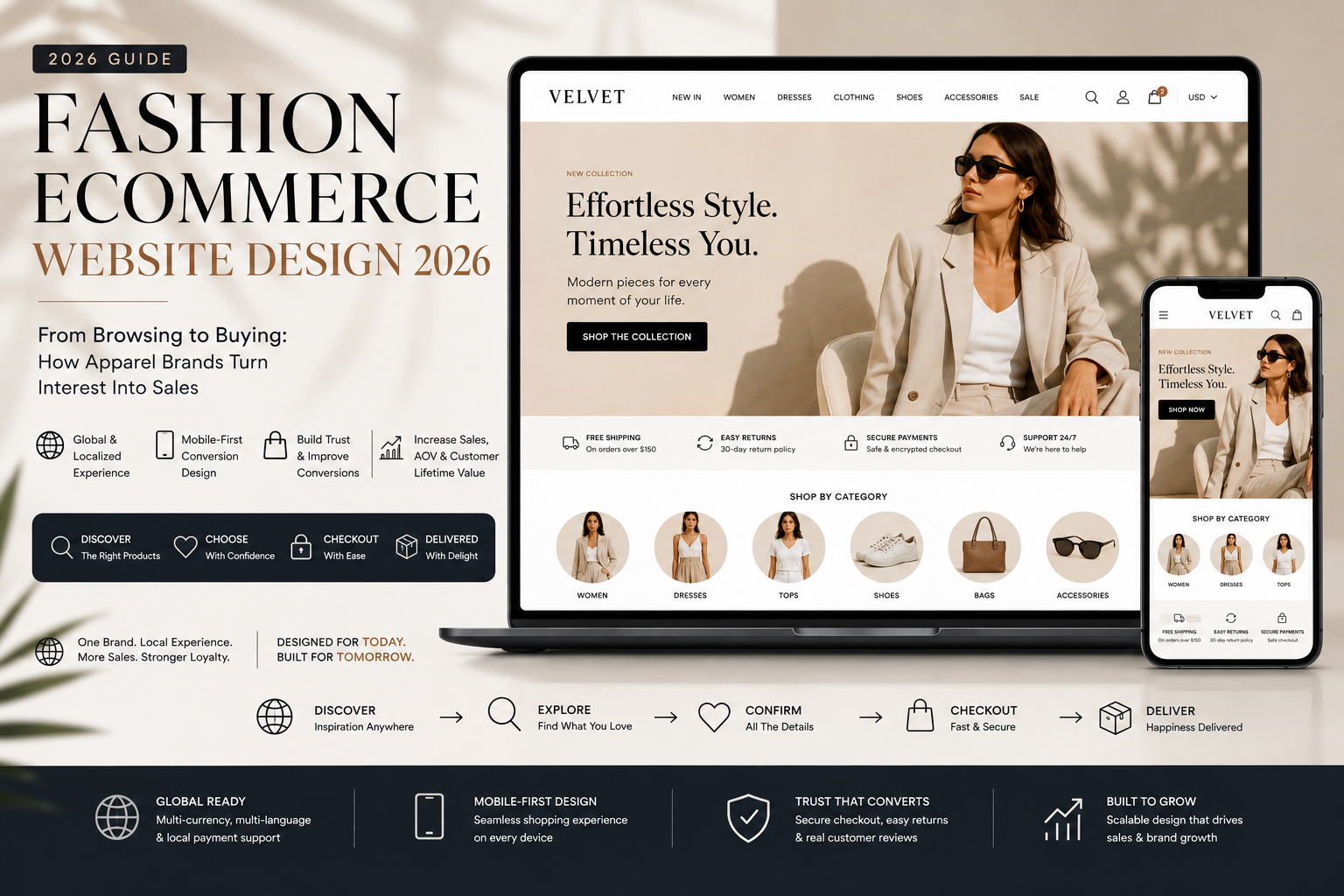
Fashion eCommerce needs more than beautiful imagery. I design conversion-focused websites for clothing brands, apparel businesses and online fashion stores that make it easier for shoppers to discover products, understand what they’re buying and move confidently towards checkout.

Whether you’re launching a new fashion brand, moving beyond social selling or improving an existing store, your website is planned around your brand, products and the way your customers actually shop.

What Makes a Fashion eCommerce Website Effective?

A successful fashion eCommerce website makes it easy for shoppers to discover products, understand sizing and fit, trust the brand, browse comfortably on mobile and move from product page to checkout with minimal friction.

Strong fashion website design combines visual storytelling with eCommerce usability, clear product information and a conversion-focused shopping journey.

Where Are You With Your Fashion Business?

Your website requirements depend on where your business is today. Choose the situation closest to yours.

Launching a New Fashion Brand?

Build your online store around the right collections, product experience, mobile journey and eCommerce foundation from the beginning.

Selling Through Instagram or Marketplaces?

Ready for an online store you control? Build a branded shopping experience where customers can discover, browse and buy directly from your business.

Getting Traffic but Not Enough Sales?

The problem may not be traffic. Product discovery, mobile usability, product pages, sizing information, trust or checkout friction could be stopping purchases.

Existing Store Feels Outdated or Generic?

Before rebuilding everything, identify what's worth keeping, what needs improvement and whether a complete redesign actually makes commercial sense.

Professional Fashion eCommerce Website Design for Clothing & Apparel Brands

Fashion shoppers make decisions visually, but beautiful design alone doesn’t create a successful online store.

Your customers need to find the right collection, understand the product, evaluate fit and sizing, trust your brand, know what happens with delivery and returns, and complete their purchase without unnecessary friction.

I design fashion and apparel websites around both sides of that experience

Hw your brand should look and how your customers actually shop.

Fashion & Apparel Websites for Different Types of Brands

Whether you’re launching your first collection or improving an established fashion eCommerce business, your website should reflect how your particular customers discover, compare and buy products.

Women's Fashion

Modern online stores for women's clothing, boutique and lifestyle brands.

Men's Clothing

Structured shopping experiences for menswear and apparel businesses.

Kids & Baby Clothing

Easy-to-browse stores designed around products, sizing and parent-friendly shopping.

Luxury Fashion

Premium digital experiences where presentation, detail and perceived value matter.

Boutique Brands

Distinctive stores that communicate the personality behind independent labels.

Activewear & Sportswear

Product-focused eCommerce experiences for performance and lifestyle clothing.

Streetwear

Brand-led stores built around collections, launches and visual identity.

Ethnic & Traditional Wear

Fashion stores designed for product variety, collections, sizing and detailed presentation.

Sustainable Fashion

Stores that give products and the story behind the brand appropriate space.

Accessories & Lifestyle Fashion

Flexible eCommerce structures for accessories and complementary product collections.

Why Fashion eCommerce Websites Struggle to Convert

Whether you’re launching your first collection or improving an established fashion eCommerce business, your website should reflect how your particular customers discover, compare and buy products.

Shoppers Browse but Don't Buy

Visitors see the products but don't get enough confidence, information or motivation to purchase.

Poor Mobile Shopping Experience

Navigation, filters, product options or checkout become difficult on the device many customers use most.

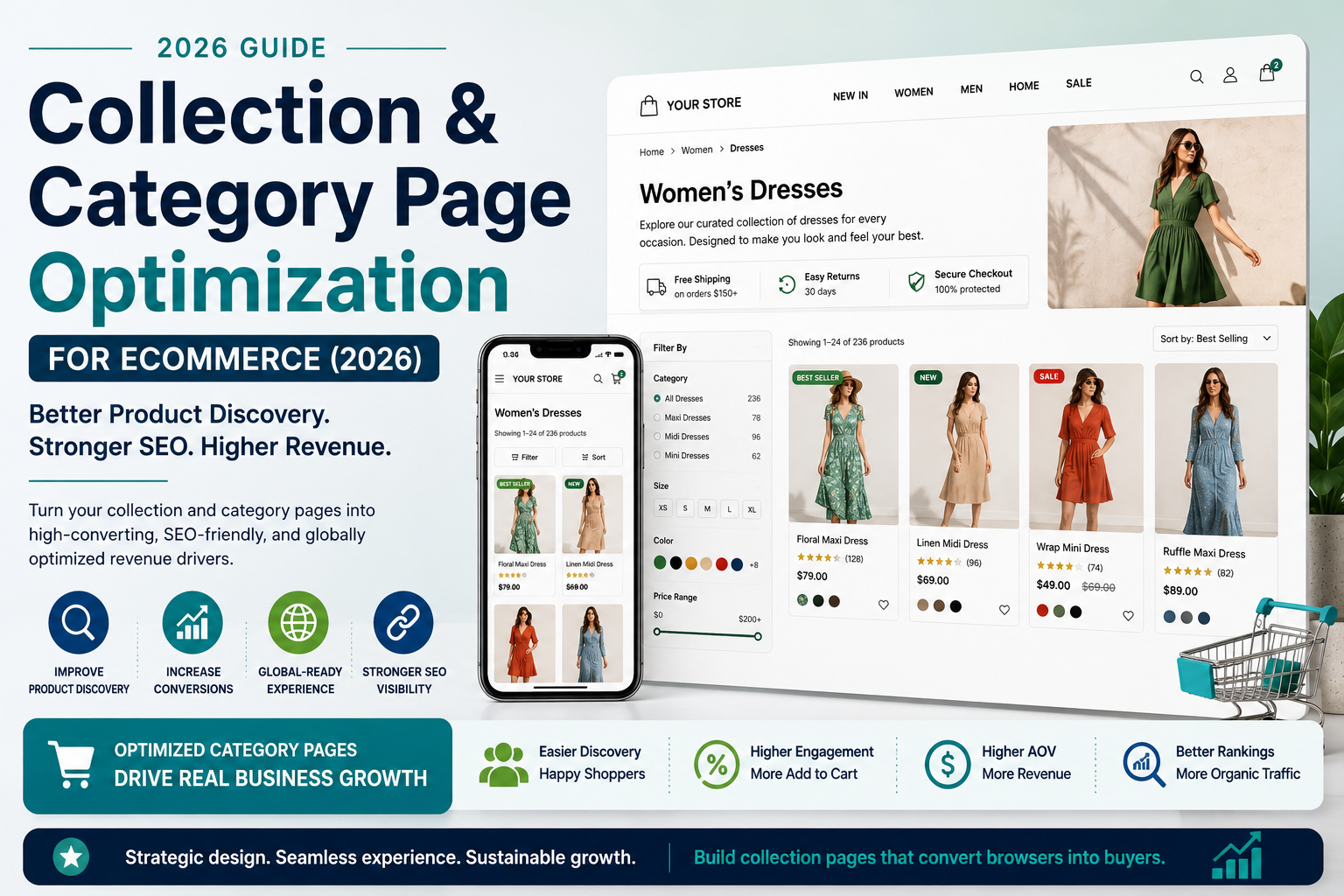
Collections Are Hard to Explore

Weak categories, filters or search make shoppers work too hard to find relevant products.

Sizing Creates Purchase Anxiety

Unclear size charts, fit guidance or returns information can create hesitation before purchase.

Product Pages Look Good but Don't Sell

Photography matters, but shoppers also need useful product, fit, delivery and trust information.

Paid Traffic Lands on Weak Pages

Advertising becomes expensive when campaign visitors reach pages that aren't prepared to convert them.

The Brand Looks Generic

Template-like presentation can make it harder to establish distinction, trust and perceived value.

Cart & Checkout Create Friction

Unexpected costs, unclear delivery information or unnecessary steps can contribute to abandonment.

More traffic won't fix a shopping journey that is losing customers.

Planning to Sell Clothes Online? Start With the Buying Journey, Not Just the Design

If you’re planning to sell clothes online, choosing Shopify or WooCommerce is only one part of building the store.

Customers still need to discover the right products, browse collections, understand sizes and variations, evaluate your brand, feel comfortable with delivery and returns, and complete checkout without unnecessary uncertainty.

Discover → Browse → Compare → Check Fit → Trust → Add to Cart → Checkout → Buy

A strong online clothing store connects each stage of this journey. I plan fashion eCommerce websites around the complete buying experience rather than treating the homepage, collection pages and product pages as separate pieces.

THE PATIENT JOURNEY

Our Website Design Approach for Fashion & Apparel Brands

Every design decision should support either the brand experience, the shopping experience — or ideally both.

01

Understand Your Brand & Customer

Clarify what you sell, who buys it and what should make the store feel distinctive.

02

Plan Collections Around Shopping Behaviour

Organise products so shoppers can reach relevant categories and products quickly.

03

Design for Mobile-First Fashion Discovery

Make browsing, filtering, product viewing and buying comfortable on smaller screens.

04

Build Product Pages Around Buying Decisions

Present the imagery and information customers need before adding a product to cart.

05

Reduce Friction Before Checkout

Make important information easier to find before uncertainty turns into abandonment.

06

Measure What Happens After Launch

Set up the foundation for understanding traffic, behaviour and conversions.

What's Included in Fashion eCommerce Website Design?

STORE STRATEGY

DESIGN & SHOPPING UX

ECOMMERCE FUNCTIONALITY

GROWTH FOUNDATION

The exact scope depends on your products, platform, catalogue size, integrations and business model.

Shopify or WooCommerce for a Fashion Brand?

Both can power successful fashion stores. The better choice depends on how you want to operate and grow the business.

shopify
Shopify

Often suitable for fashion businesses that want a managed eCommerce platform, streamlined store administration and access to a large app ecosystem. It can work particularly well when ease of day-to-day store management is a priority.

WooCommerce

Often suitable for businesses that want greater WordPress flexibility, strong content control and more freedom around customisation. It can be a strong option when the website needs to combine eCommerce with a broader content or custom website strategy.

I don't recommend a platform simply because it's popular.

The right decision depends on your catalogue, operations, integrations, internal team, marketing plans and long-term requirements.

Must-Have Features for High-Converting Fashion & Apparel Websites

Not every fashion store needs every possible feature. The goal is to remove uncertainty and make shopping easier without cluttering the experience.

High-Quality Product Galleries

Show products clearly through useful imagery and views.

Size & Fit Guidance

Help customers make more confident sizing decisions.

Colour & Variant Selection

Make available product options easy to understand and select.

Collection Filters

Help shoppers narrow larger catalogues efficiently.

Product Search

Make specific products easier to find.

Delivery & Returns Information

Answer important purchase questions before checkout.

Reviews & Social Proof

Support confidence where customer feedback is available.

Related Products

Help customers discover complementary or alternative items.

Wishlist

Useful where shoppers commonly return before purchasing.

Stock Visibility

Clearly communicate availability where appropriate.

Mobile-Friendly Cart

Keep reviewing and editing orders straightforward on smaller screens.

Secure Checkout

Create a clear and trustworthy final purchase journey.

Back-in-Stock Functionality

Useful for products or sizes that frequently sell out.

Social Integration

Connect relevant social discovery channels with the shopping experience.

Where Fashion eCommerce Sales Are Won or Lost

A conversion problem isn’t always on the checkout page. Shoppers can drop away at almost any stage of the journey.

01
TRAFFIC

Are the right people reaching the right page?

Your traffic should match the audience, product and intent of each landing page.

02
COLLECTION PAGE

Can shoppers quickly find products they want?

Clear categories, filters and search make product discovery easier.

03
PRODUCT PAGE

Does the product create enough desire?

Images, descriptions, pricing and reviews should build confidence.

04
SIZE • FIT • TRUST

Are the purchase questions answered?

Fit, sizing, delivery, returns and trust signals reduce hesitation.

05
CART

Is it easy to review and continue?

A clear and transparent cart keeps shoppers moving towards checkout.

06
CHECKOUT

Are there unnecessary obstacles?

Unexpected costs and complicated steps can create unnecessary friction.

07
PURCHASE

Make the final decision feel easy.

Every stage should create relevance, confidence and momentum.

Improving eCommerce conversion means finding the weak point in the journey — not simply redesigning everything because sales are low.

Our Website Design Process for Fashion & Apparel Brands

01

Brand & Business Discovery

Understand your products, audience, positioning, goals and existing challenges.

02

Store Architecture

Plan collections, navigation, pages and the overall shopping journey.

03

UX & Visual Design

Create a brand-led interface around how customers browse and buy.

04

eCommerce Development

Build the approved experience with the required store functionality and integrations.

05

Testing & Tracking

Test responsive behaviour, key store journeys and essential tracking before launch.

06

Launch & Support

Launch the website and provide support for the agreed post-launch requirements.

ALREADY HAVE AN OPTOMETRY WEBSITE?

Does Your Fashion Store Actually Need a Full Redesign?

Not every underperforming fashion website needs to be rebuilt. Sometimes fixing the right parts makes more commercial sense.

01

KEEP

Your store already has a solid structure, appropriate platform, usable mobile experience and no major design or conversion problems.

02

IMPROVE

The foundation is good, but product pages, navigation, mobile UX, messaging or conversion elements need attention.

03

REDESIGN

The store has structural, technical, branding or usability limitations that make incremental improvements inefficient.

I prefer to understand what's already working before recommending a complete rebuild.

Get a Second Opinion on My Store

I Love My Work - And My Clients Love the Results

I focus on every detail of design and user experience — delivering websites that are elegant, functional, and built for growth. With 500+ successful projects globally, I’ve earned the trust and respect of businesses across industries.

Fashion eCommerce Website Design for Brands Worldwide

I work remotely with fashion, eCommerce and other businesses across international markets. Whether your customers are local, national or international, the website strategy should reflect the market you’re actually trying to reach rather than applying the same approach to every business

United States
United Kingdom
Australia
Canada
India

Why Fashion Brands Choose KG Web Designer

Your fashion website isn’t passed through layers of account managers and disconnected teams. You work directly with an experienced website designer who understands design, development, eCommerce, SEO and the practical problems that appear after a website goes live.

18+ Years of Website Design Experience

Experience across website design, development and changing digital platforms.

Direct Communication

Discuss your requirements directly with the person working on your website.

Shopify & WooCommerce Experience

Practical experience building and working with established eCommerce platforms.

Design + Development + SEO Understanding

The store is considered as a complete digital business asset rather than only a visual design.

Conversion-Focused Thinking

Shopping journeys, product discovery and buying friction are considered during the design process.

Conversion-Focused Thinking

Shopping journeys, product discovery and buying friction are considered during the design process.

International Client Experience

Experience working remotely with businesses across multiple countries and time zones.

Continued Support

Support can continue beyond launch based on your website and business requirements.

What Clients Say About Our Website Services

Loved By Businesses Across India, USA, UK & Australia

Planning or Improving an eCommerce Store?

Explore practical research and guidance based around the decisions businesses face when launching, redesigning or trying to improve an online store.

FAQs – Fashion & Apparel Website Design

The cost depends on the size of your product catalogue, platform, design requirements, integrations, payment and shipping setup, custom functionality, content requirements and whether you need a new store or a redesign.

I prefer to understand the business and required functionality before recommending a scope rather than forcing every fashion brand into the same package.

A strong fashion eCommerce website typically needs clear collection navigation, effective product pages, mobile-friendly shopping, size and fit information, product variations, search or filtering where required, delivery and returns information, trust signals, cart and checkout functionality, and an SEO-friendly structure.

The exact feature set should depend on how your customers shop and what you sell.

Both can work well for fashion eCommerce.

Shopify may suit businesses looking for a managed eCommerce platform and streamlined administration, while WooCommerce may suit businesses wanting greater WordPress flexibility and content or customisation control.

The right choice depends on your catalogue, integrations, internal resources, marketing plans and long-term requirements.

Yes. I can plan a new fashion website from the beginning around your brand, products, collections, target customers and business goals.

You don’t need an existing website before contacting me.

Yes. But I don’t automatically recommend rebuilding everything.

I first look at the existing platform, structure, mobile experience, product journey, content and what is already working. Sometimes focused improvements are more sensible than a complete redesign.

Traffic alone doesn’t guarantee sales.

Visitors may struggle to find relevant products, product pages may not answer their questions, sizing or delivery information may create uncertainty, mobile UX may be difficult, or friction may exist between product discovery and checkout.

The first step is identifying where the shopping journey is breaking rather than assuming you simply need more traffic.

Yes. Fashion eCommerce is particularly dependent on a smooth mobile experience.

Navigation, collections, filters, product imagery, variants, size selection, product information, cart behaviour and checkout should all be reviewed from the perspective of a customer shopping on a smaller screen.

In many cases products and other store data can be migrated between platforms or rebuilt into a new website, but the process depends on the existing platform, destination platform, catalogue structure and available data.

The current store should be reviewed before deciding the safest migration approach.

es. Payment and shipping requirements can be configured or integrated depending on your platform, country, payment provider, shipping model and available integrations.

These requirements should ideally be identified during the planning stage rather than added at the end of the project.

The timeline depends on catalogue size, design complexity, content readiness, product data, integrations, custom functionality and how quickly approvals are provided.

A smaller fashion store can usually move faster than a large catalogue or highly customised eCommerce project. I provide a realistic timeline after reviewing the requirements.

Yes. The website can be structured around clear collections, products, internal linking, useful content, technical fundamentals and search-friendly architecture.

The exact SEO scope depends on the project and can be discussed separately where ongoing search growth is required.

Yes. Businesses selling through Instagram or other social channels can build their own eCommerce website to create a more complete branded shopping experience and give customers a direct place to browse collections and purchase products.

Your social channels can then support product discovery while your website handles the deeper shopping journey.

Yes. I work remotely with international businesses, including clients in the United States, United Kingdom, Australia and Canada, as well as India and other markets.

The website can be planned around the customers and market your fashion business actually serves.

Yes. A visually attractive store can still have problems with navigation, product discovery, mobile usability, product information, trust, sizing, cart behaviour or checkout.

Rather than immediately changing the visual design, I can review the customer journey to identify where improvements may be needed.

That depends on the condition of the existing website.

If the platform and basic structure are sound, targeted improvements may be enough. If technical limitations, poor usability, weak architecture or an outdated brand experience affect multiple parts of the store, a redesign may be more practical.

A review of the existing website should come before that decision.

Launching, Redesigning or Trying to Grow Your Fashion Store?

Tell me where your fashion business is today, what you’re trying to achieve and what isn’t working. Whether you need a new online store, a redesign or simply a second opinion on your existing website, I’ll personally review your requirements and recommend the most sensible next step.

Direct conversation with Kanika • No obligation • International projects welcome