
Starting an ecommerce business is exciting. But the success of your store depends heavily on one critical factor — your website design.
For startups and growing online brands, the website is more than just a digital storefront. It is your sales engine, brand identity, and customer experience all combined.
A poorly designed store can silently kill conversions, while a professionally designed ecommerce website can turn visitors into loyal buyers.
That’s why choosing the right custom ecommerce website design expert is one of the most important decisions for your startup.
In this guide, we’ll walk you through exactly how to choose the right ecommerce website designer so your store launches strong, converts visitors, and scales with your business.
According to Baymard Institute, the average ecommerce checkout abandonment rate is around 70%, and poor user experience is one of the biggest causes.
Studies also show that 94% of first impressions relate to website design, making design a critical factor for ecommerce success.
To choose the right ecommerce website designer, startups should evaluate the designer’s ecommerce platform expertise, portfolio of online stores, conversion-focused design approach, industry experience, and ability to build scalable ecommerce websites.
• Why Ecommerce Design Matters
• Signs You Need an Ecommerce Website Designer
• How to Choose the Right Ecommerce Designer
• Questions to Ask Before Hiring
• Ecommerce Website Design Cost
• Why Startups Invest in Professional Ecommerce Design
Many startup founders focus heavily on products, ads, and marketing — but overlook the design of the store itself. Research shows that 88% of online shoppers are less likely to return to a website after a poor user experience.
Many ecommerce startups struggle not because of their product but because their store isn’t built to scale. In fact, many new online brands face common design and growth challenges that prevent them from expanding successfully. You can explore these challenges in detail in our guide on why many ecommerce startups fail to scale and how design can fix it.
Here’s the reality:
If your website design is weak, no amount of advertising will save your conversions.
Professional ecommerce web design services focus on:
Your website design directly affects:
This is why serious online brands hire ecommerce developer and design specialists instead of using generic templates.
An ecommerce website designer creates online stores that are optimized for both user experience and sales conversion.
Their responsibilities typically include:
A skilled ecommerce designer ensures your store not only looks professional but also converts visitors into paying customers.
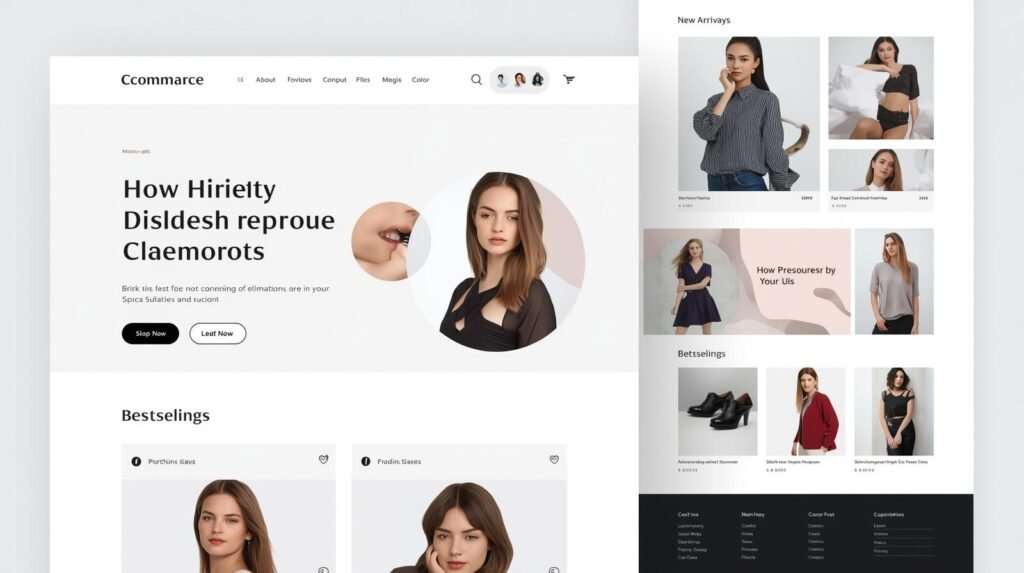
Many startups initially try DIY platforms or cheap templates. While this may seem cost-effective at first, it often leads to problems as the brand grows. If your store is struggling with conversions or outdated design, working with a professional ecommerce website designer can dramatically improve your sales performance.
Here are some clear signs you need an ecommerce website designer.
Templates are widely used. If your website looks identical to thousands of other stores, customers instantly perceive your brand as generic or low-trust.
Professional designers create unique branded experiences that make your store stand out.
Traffic without sales is the biggest pain point for ecommerce startups.
Poor design usually causes:
Professional ecommerce website design agency teams focus heavily on conversion optimization, not just visual appearance.
More than 70% of ecommerce traffic comes from mobile devices.
If your store is not optimized for mobile shopping, you’re losing a massive number of customers.
A designer specializing in ecommerce ensures:
If your ecommerce store is struggling with low conversions or outdated design, working with an ecommerce website designer can dramatically improve your sales performance.
Not all designers understand ecommerce. Designing a blog or corporate website is completely different from designing an online store.
When searching for an experienced ecommerce web designer, evaluate these key factors.
Your designer must have experience with ecommerce platforms like:
Ask to see previous ecommerce projects and live stores they have designed.
Specialized ecommerce designers understand:
A beautiful website is useless if it doesn’t convert.
Top ecommerce designers focus on:
This approach turns your website from a catalog into a powerful sales machine.
Similarly, beauty brands require ecommerce design strategies that build trust, highlight product benefits, and clearly communicate ingredients, reviews, and product effectiveness. You can see how this works in practice in our guide to beauty ecommerce website design.
Before you hire anyone, analyze their portfolio carefully.
Look for:
If possible, visit their live projects and test the shopping experience.

I design conversion-focused ecommerce stores built to attract customers and increase online sales.
Different industries require different ecommerce strategies.
Fashion stores focus on visual presentation and product galleries, while beauty brands require trust, reviews, and educational content.
Working with designers experienced in your niche helps create a store that speaks directly to your target customers.
For example, if you run a fashion brand, check out solutions specifically designed for fashion ecommerce store.
Your startup may begin small, but your website should be able to grow with your business.
A skilled ecommerce designer ensures your website can scale with:
When working with an experienced ecommerce development expert, scalability should always be part of the strategy.
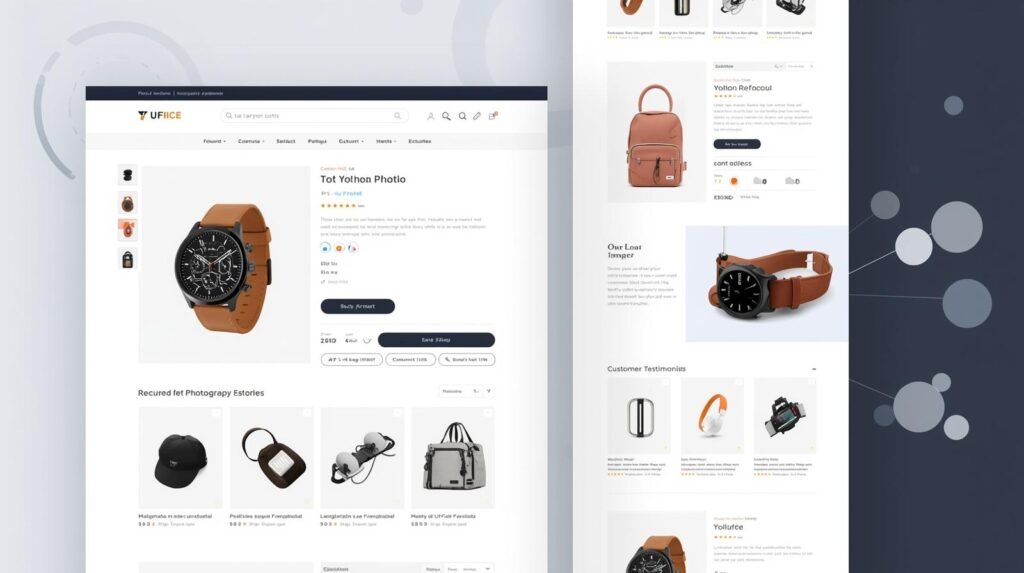
If you’re planning to work with an expert ecommerce website designer, following a clear hiring process can help you choose the right expert for your online store.
Before contacting designers, clarify what you want to achieve with your ecommerce website.
For example:
Clear goals help designers propose the right solution.
Always review the designer’s previous ecommerce projects.
Look for:
A strong portfolio is one of the best indicators of an experienced ecommerce web designer.
Good ecommerce designers do more than design pages.
They should understand:
This strategic approach ensures your store is designed to generate sales.
An ecommerce website design costs vary depending on:
Discuss the project timeline and budget before starting development.
Before hiring, schedule a discovery call with the designer.
This helps you evaluate:
A good ecommerce designer will take time to understand your brand, products, and target customers before proposing a solution.
Successful ecommerce brands evaluate designers using these five factors:
Using this framework helps startups avoid hiring designers who only focus on aesthetics instead of sales performance.
When planning to work with a ecommerce web design expert, startups usually choose between freelancers and agencies.
| Freelancer | Ecommerce Agency |
| Lower cost | Higher cost |
| Limited resources | Full team expertise |
| Slower scalability | Faster project execution |
| Best for small stores | Best for growing brands |
Budget matters for startups. But hiring the cheapest designer often leads to expensive problems later.
Common issues with low-cost designers include:
These problems reduce conversions and damage brand trust.
Many ecommerce startups eventually redesign their entire store, wasting both time and money.
When working with an ecommerce website design agency, the process usually includes much more than just visual design.
A full ecommerce design service often includes:
This strategic approach ensures your website becomes a high-performing sales platform.
You can explore ecommerce website services.
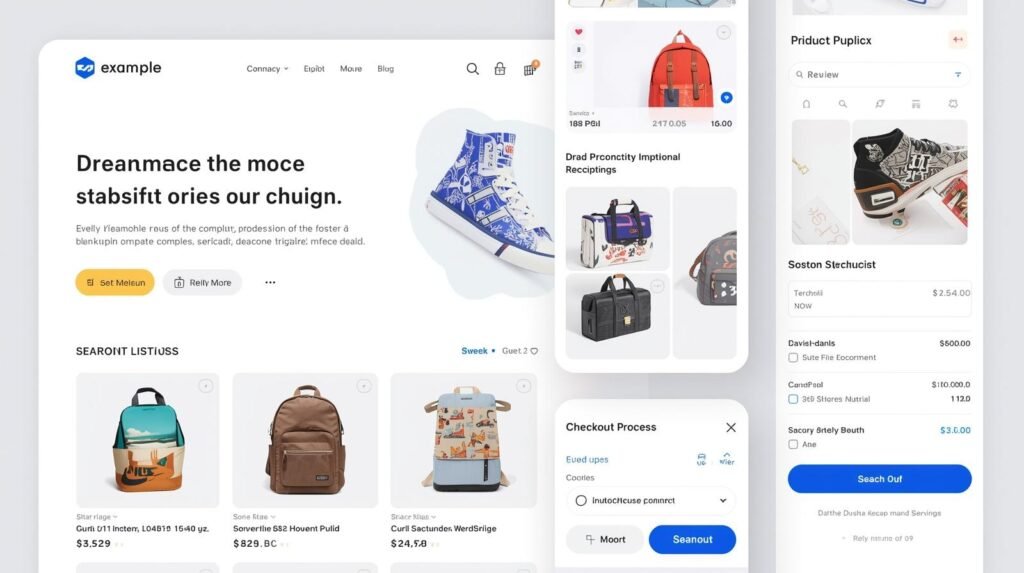
When planning to work with a custom ecommerce website design specialist, it’s important to choose someone experienced with the right ecommerce platform.
Most ecommerce designers specialize in platforms such as:
Shopify is one of the most popular ecommerce platforms for startups and growing brands. It offers powerful features, app integrations, and scalable infrastructure for online stores.
WooCommerce is a flexible ecommerce solution built on WordPress. It is ideal for businesses that need more customization and control over their ecommerce website.
Magento is typically used by larger ecommerce businesses that require advanced functionality, custom workflows, and enterprise-level scalability.
BigCommerce is another powerful ecommerce platform designed for growing brands that need built-in ecommerce features and strong performance.
When working with an experienced ecommerce developer or designer, make sure they have deep experience with the platform that best fits your business needs.
One of the most common questions startups ask is:
The answer depends on several factors:
Before you finalize your decision, ask these important questions.
Make sure they have expertise with the platform you plan to use.
Always review live projects.
Design should increase sales, not just look attractive.
Mobile shopping is critical for ecommerce success.
Your store will need updates and improvements over time.
These questions help ensure you choose the right ecommerce website designer for hire.
Successful online brands understand that design is not just aesthetics — it’s a revenue driver.
When you hire ecommerce website designer experts, you gain:
Your website becomes a growth engine, not just a digital storefront.
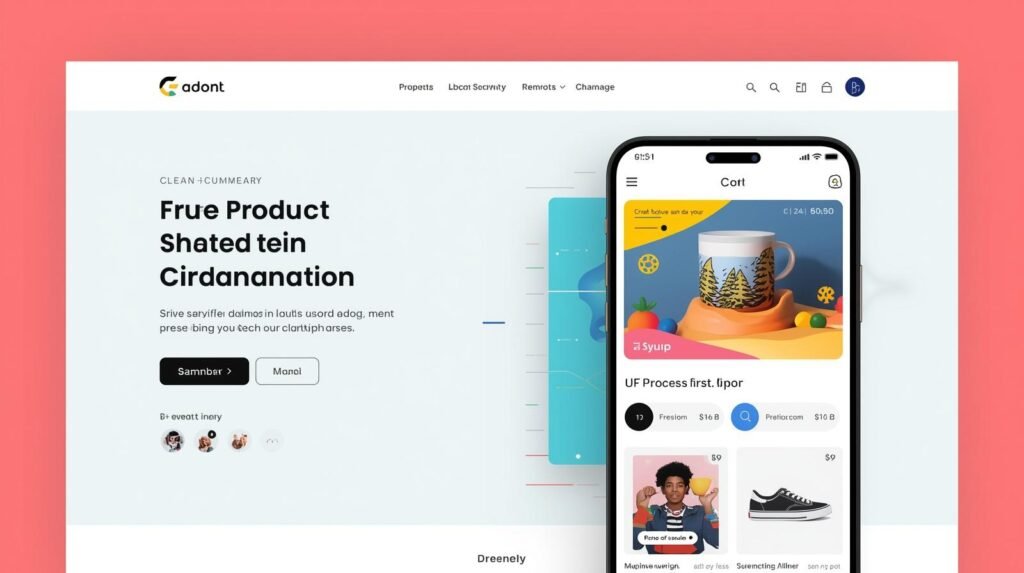
Before hiring a designer, make sure they can:
✓ Show real ecommerce portfolio
✓ Design conversion-optimized product pages
✓ Optimize for mobile shopping
✓ Improve checkout experience
✓ Build scalable ecommerce architecture
If a designer cannot demonstrate these capabilities, your startup store may struggle to convert visitors into customers.
Ecommerce website design cost depends on the platform, number of products, custom design requirements, and integrations.
Templates may work for early testing, but serious ecommerce brands benefit from hiring a ecommerce website designer who can build a conversion-focused store.
Popular ecommerce platforms include Shopify, WooCommerce, and Magento. The right choice depends on your budget, scalability needs, and customization requirements.
Most ecommerce websites take 3–6 weeks to design and launch depending on project complexity.
Many startups believe that simply launching an online store is enough to generate sales. In reality, the biggest difference between successful ecommerce brands and struggling ones is conversion-focused design.
Successful ecommerce stores are intentionally designed to guide users through a clear buying journey — from homepage discovery to product exploration and finally checkout.
Without strategic ecommerce design, even high-quality products may fail to convert visitors into customers.
If you’re serious about launching or scaling your ecommerce business, investing in professional design is one of the smartest decisions you can make.
At KG Web Designer, we specialize in creating high-converting ecommerce websites for startups and growing brands.
Our team focuses on:
If you’re ready to work with a professional ecommerce website designer who understands how to turn traffic into customers, we’re here to help. Get in touch to discuss your startup store and build an ecommerce website designed to sell, scale, and succeed.
About KG Web Designer
KG Web Designer specializes in ecommerce website design for startups and growing online brands. With experience designing conversion-focused ecommerce stores across industries such as fashion and beauty, the team focuses on creating websites that combine strong branding, user experience, and sales performance.